When you bring home a new kitten, the initial days are often a whirlwind of play, cuddles, and discovering their unique personality. Amidst all the adorable moments, one crucial appointment stands out: your first kitten vet visit. This isn’t just a formality; it’s a foundational step in ensuring your new companion’s long-term health and well-being. Understanding what happens during this initial check-up can alleviate any anxieties and help you prepare to be an informed, proactive pet parent.
Why the First Vet Visit is Non-Negotiable
Many new owners might wonder if a vet visit is truly urgent if their kitten seems perfectly healthy. The answer is a resounding yes. Kittens, especially those from shelters or less controlled environments, can harbor hidden health issues that are not immediately apparent. Early detection and preventive care are far more effective and less costly than treating advanced conditions. Consequently, this initial appointment establishes a baseline for your kitten’s health, initiates critical preventive measures, and allows you to build a relationship with a trusted veterinary team who will be your partners in your kitten’s care journey for years to come. In addition, it’s an excellent opportunity to discuss any immediate concerns you might have about your kitten’s adjustment to their new home, from feeding habits to litter box use. For instance, you might have questions about litter box training for kittens or their specific dietary needs.
What Happens During Your First Kitten Vet Visit?
Your veterinarian will conduct a thorough examination and discuss a range of important topics. Here’s a breakdown of what to expect during this vital initial check-up.
The Comprehensive Physical Exam
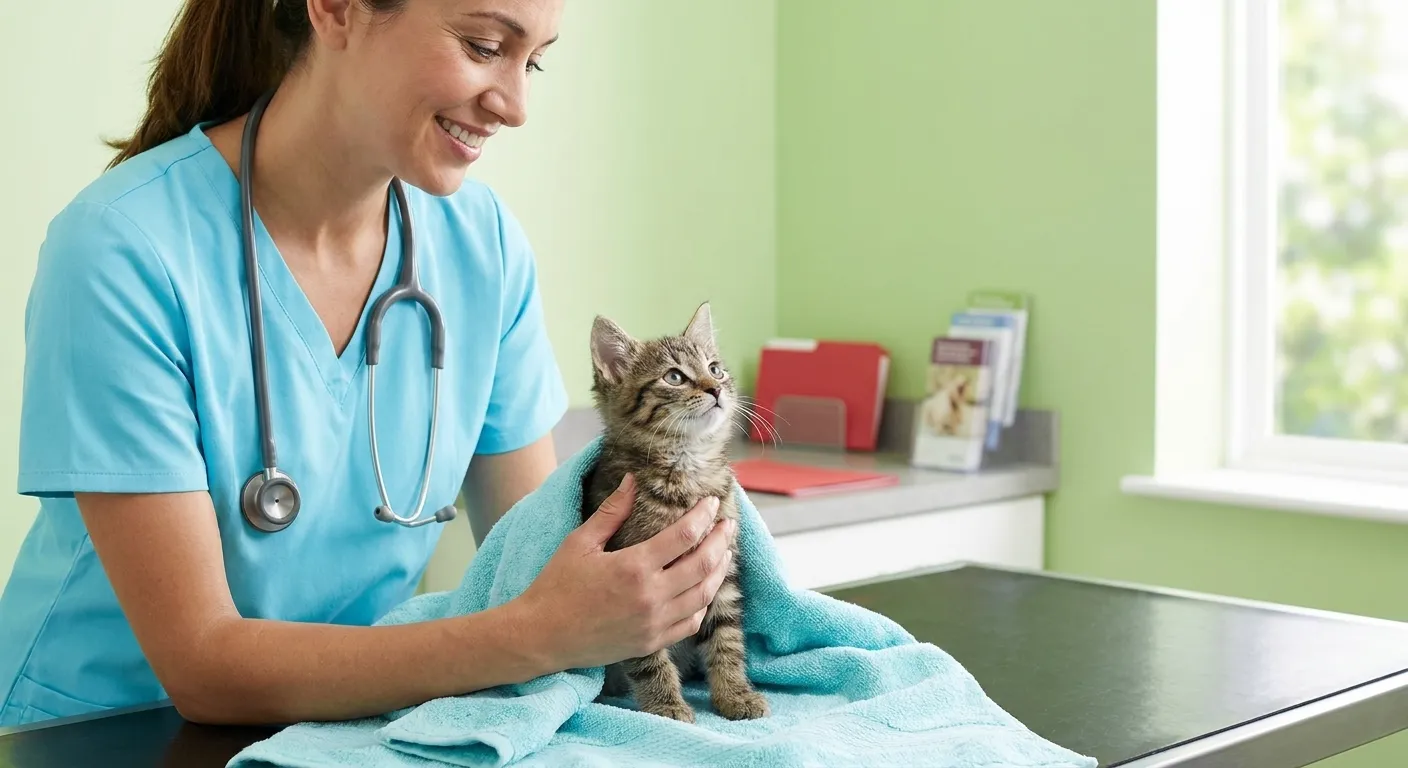
The vet will perform a head-to-tail check-up. This includes:
- Eyes, Ears, and Nose: Checking for discharge, redness, or signs of infection.
- Mouth and Teeth: Examining gums for health and looking for any signs of dental issues.
- Coat and Skin: Inspecting for fleas, ticks, mites, or skin conditions.
- Abdomen: Palpating the abdomen to check for tenderness or abnormalities.
- Heart and Lungs: Listening for murmurs, irregular rhythms, or breathing difficulties.
- Weight and Body Condition: Assessing if your kitten is at a healthy weight and growing appropriately.
Moreover, the vet will observe your kitten’s general demeanor and gait, looking for any signs of discomfort or neurological issues. This detailed examination helps identify any existing conditions or potential predispositions to health problems.
Parasite Screening and Treatment
Internal and external parasites are common in young kittens. Your vet will likely ask for a stool sample to check for intestinal worms (roundworms, hookworms, tapeworms) and protozoa (giardia, coccidia). They will also discuss flea and tick prevention. Regular deworming and parasite control are vital for your kitten’s health and to prevent transmission to other pets or humans. Furthermore, your veterinarian can recommend the most effective and safest parasite control products tailored to your kitten’s age and environment. This is a critical part of your kitten’s first vet visit.
Vaccination Schedule
Vaccinations are cornerstones of preventive care, protecting your kitten from serious, often fatal, infectious diseases. Your vet will outline a vaccination schedule tailored to your kitten’s age, lifestyle, and local disease prevalence. Core vaccinations typically include:
- FVRCP (Feline Viral Rhinotracheitis, Calicivirus, Panleukopenia): A combination vaccine protecting against common upper respiratory and gastrointestinal viruses.
- Rabies: A mandatory vaccine in many regions, protecting against a deadly viral disease.
Additionally, your vet might recommend non-core vaccines, such as for Feline Leukemia Virus (FeLV), especially if your kitten will have outdoor access or interact with other cats. You can learn more about this in our guide on essential kitten vet visits.
Nutritional Guidance
Proper nutrition is fundamental for a growing kitten. During your initial vet check, your veterinarian will discuss appropriate kitten food, feeding schedules, and portion sizes. They will also address any concerns about your kitten’s appetite or weight gain. For example, they can help you understand the specific caloric and nutrient requirements for your kitten’s age and breed. This guidance is crucial for supporting kitten healthy growth and development.
Behavioral Advice and Socialization
Beyond physical health, your vet is a valuable resource for behavioral questions. You can discuss normal kitten behaviors, potential issues like biting or scratching, and tips for socialization. They might offer advice on introducing your kitten to other pets or children. Early intervention for behavioral concerns can prevent more significant problems later on. Consequently, your vet can provide insights into kitten behavior training and understanding kitten body language.
Spaying/Neutering Discussion
Your vet will discuss the benefits and ideal timing for spaying or neutering your kitten. These procedures prevent unwanted litters, reduce the risk of certain health problems (like mammary tumors or testicular cancer), and can mitigate undesirable behaviors such as spraying or roaming. Many veterinarians recommend these surgeries around 5-6 months of age, but the exact timing can vary. Therefore, a discussion during the first kitten vet visit is very important.
Microchipping
Microchipping is a safe and effective way to permanently identify your pet. If your kitten ever gets lost, a microchip greatly increases the chances of a happy reunion. Your vet can implant a microchip quickly and painlessly during your first visit or a subsequent appointment. This simple procedure offers immense peace of mind.
How to Prepare for Your Kitten’s First Vet Visit
Being prepared can make your kitten’s first vet visit smoother and more productive for everyone involved. Here are some key steps:
- Gather Information: Collect any health records from the breeder or shelter, including vaccination history and deworming dates. Note your kitten’s birthdate if known.
- Prepare Questions: Write down any questions or concerns you have about your kitten’s diet, behavior, health, or general care. This ensures you don’t forget anything important during the appointment.
- Bring a Stool Sample: Collect a fresh stool sample (within 12-24 hours) in a clean container or plastic bag. This is essential for parasite screening.
- Use a Secure Carrier: Transport your kitten in a sturdy, comfortable carrier. This provides safety during travel and a sense of security for your kitten at the clinic. You can line it with a familiar blanket to make it more inviting.
- Limit Food Beforehand: Your vet might recommend withholding food for a few hours before the appointment, especially if blood tests are anticipated. Always check with the clinic beforehand.
- Bring Treats and a Toy: Positive reinforcement can help make the experience less stressful for your kitten. Small, high-value treats and a favorite toy can be very useful.
By taking these steps, you help ensure that your kitten’s first vet visit is as stress-free and informative as possible. This proactive approach sets a positive tone for future veterinary care.
What to Expect After Your Kitten’s First Vet Visit
After your initial check-up, your vet will likely provide a detailed plan for your kitten’s ongoing care. This will include:
- Follow-up Appointments: A schedule for booster vaccinations and subsequent deworming treatments. It’s crucial to adhere to this schedule to ensure full protection.
- Medication or Preventatives: If parasites were found, you’ll receive medication. Your vet will also advise on ongoing flea, tick, and heartworm prevention.
- Dietary Recommendations: Specific instructions on food type, quantity, and frequency to support healthy growth. You can also explore our guide on kitten nutrition.
- Behavioral Tips: Resources or advice for any behavioral concerns discussed.
Remember, the recommendations from your veterinarian are designed to safeguard your kitten’s health and prevent common issues. Following their advice diligently is paramount for your kitten’s well-being. Furthermore, keep an eye on your kitten for any changes in appetite, energy levels, or litter box habits after the visit, and don’t hesitate to contact your vet with any concerns. For common issues, you can refer to our article on common kitten health issues.
Building a Lifelong Relationship with Your Vet
Your relationship with your veterinarian is a partnership in your kitten’s health journey. Regular check-ups, even after the crucial first kitten vet visit, are essential. As your kitten grows, their needs will change, and your vet will be there to guide you through each stage, from adolescence to senior years. This continuous care ensures that any health issues are detected early and managed effectively. For example, the American Veterinary Medical Association (AVMA) emphasizes the importance of lifelong preventive care.
Don’t hesitate to ask questions, voice concerns, and stay actively involved in decisions regarding your kitten’s health. A good vet-client relationship is built on trust and open communication. This initial visit is merely the beginning of many years of dedicated care.
Beyond the Clinic: Home Care Essentials
While the first kitten vet visit lays a strong foundation, daily home care plays an equally vital role in your kitten’s health and happiness. Consider these aspects:
- Safe Environment: Ensure your home is kitten-proofed to prevent accidents and injuries. Consult our guide on kitten-proofing your home.
- Proper Nutrition: Continue feeding a high-quality kitten-specific diet as recommended by your vet.
- Hydration: Always provide fresh, clean water. Learn more about hydration for kittens.
- Regular Grooming: Establish a routine for brushing, nail trims, and ear cleaning. Our kitten grooming essentials guide can help.
- Mental Stimulation: Provide plenty of toys and opportunities for play to keep your kitten mentally and physically engaged.
- Love and Affection: Spend quality time with your kitten, building a strong bond and helping them feel secure and loved.
By combining excellent veterinary care, starting with the first kitten vet visit, with dedicated home care, you are setting your feline friend up for a long, healthy, and joyful life. This holistic approach ensures all aspects of their well-being are addressed.
Ultimately, your first kitten vet visit is more than just a check-up; it’s a critical investment in your kitten’s future. It’s the starting point for a lifetime of health and happiness, establishing preventive care, addressing immediate concerns, and building a trusted partnership with your veterinary team. By understanding what to expect and preparing accordingly, you can ensure this crucial appointment goes smoothly, setting your new furry family member on the path to a vibrant life. Remember, proactive care is the best care for your beloved companion. For more general information on pet care, the ASPCA offers excellent resources.
FAQ
What should I bring to my kitten’s initial vet appointment?
You should bring any previous health records, a fresh stool sample, a secure carrier, and a list of questions or concerns you have. Treats and a favorite toy can also help make the visit more positive for your kitten.
How soon after getting a kitten should they see a veterinarian?
Ideally, your new kitten should see a vet within the first few days of bringing them home. This allows for early detection of any health issues and the initiation of essential preventive care, such as deworming and vaccinations.
What is the typical cost of a kitten’s first veterinary check-up?
The cost can vary widely depending on your location, the specific clinic, and what services are included (e.g., initial exam, deworming, basic vaccines, fecal test). It’s best to call your local veterinary clinics for an estimate before your appointment.
Will my kitten receive vaccinations during their first veterinary visit?
Yes, typically your kitten will receive their first set of core vaccinations (like FVRCP) and potentially their first deworming treatment during this initial visit, assuming they are healthy enough. Your vet will then outline a schedule for booster shots.
Why is a comprehensive physical examination so important for young felines?
A thorough physical exam allows the veterinarian to establish a baseline for your kitten’s health, identify any congenital issues, detect early signs of illness, and assess their overall growth and development. This comprehensive evaluation is crucial for planning their ongoing preventive care.