
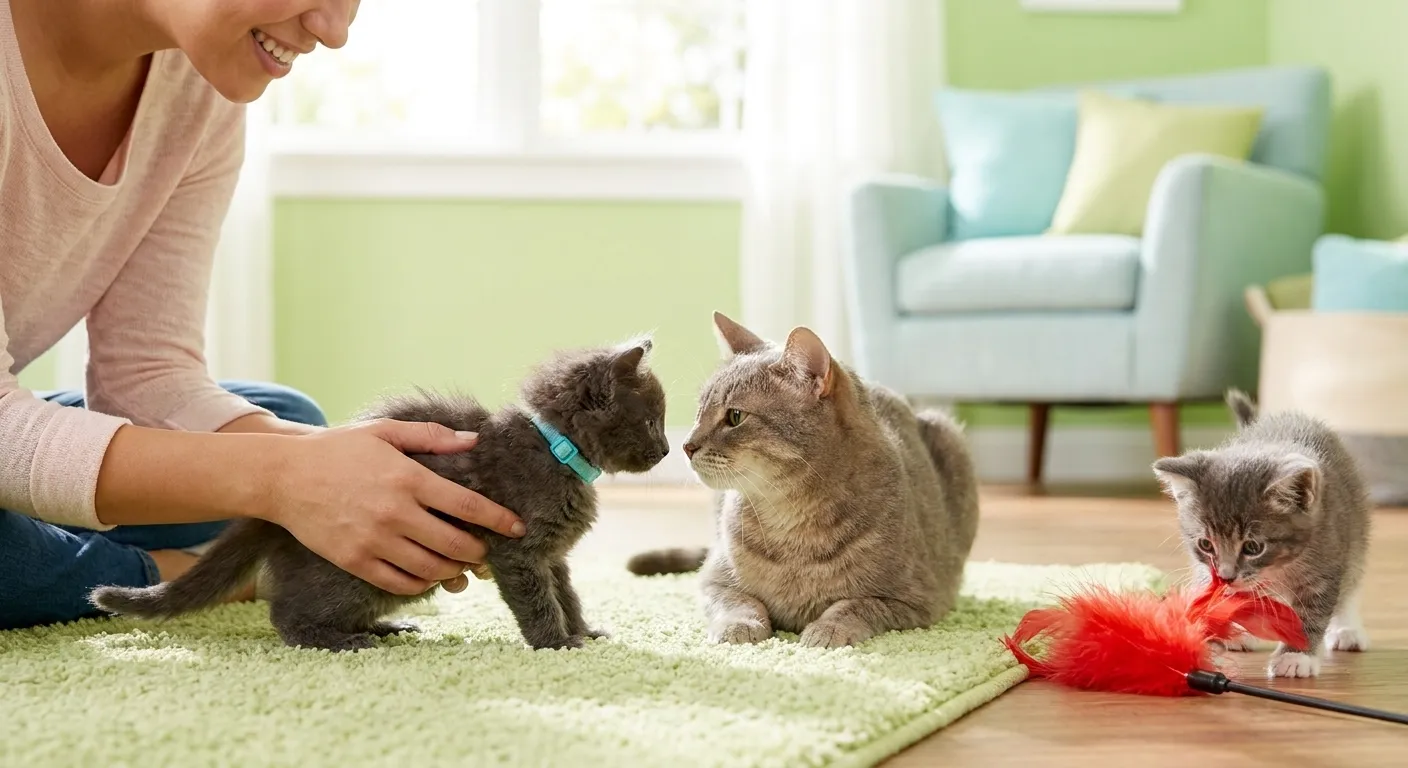
Welcoming a kitten into your home marks the beginning of a truly wonderful journey. Beyond providing essential food and shelter, one of the most impactful actions you can take for your new feline friend is to prioritize early socialization. This process extends far beyond simply getting them accustomed to people. Instead, it involves thoughtfully exposing them to a diverse range of sights, sounds, smells, and experiences in a positive manner during their crucial developmental window. Implementing effective early kitten socialization tips can profoundly shape their personality, helping them mature into confident, well-adjusted adult cats who are significantly less prone to fear-based behaviors or aggression.
Why Early Socialization Matters So Much for Feline Development
Kittens possess a sensitive period for socialization, which typically spans between 3 and 16 weeks of age. During this critical time, their brains are incredibly receptive to new experiences. Positive exposures now can create lasting positive associations, thereby building a strong foundation for their future. Conversely, negative or absent exposures during this period can unfortunately lead to fear, anxiety, and various behavioral issues later in life. A well-socialized cat is generally more adaptable, friendly, and experiences less stress from changes in their environment or from interactions with new people and pets. The ASPCA emphasizes the importance of early positive experiences for a cat’s overall well-being.
Beyond Just Petting: What Socialization Truly Means
Many new kitten owners mistakenly assume that socialization primarily involves just handling a kitten. While gentle touch is undeniably vital, socialization is actually a much broader and more comprehensive concept. It encompasses a variety of experiences designed to build comfort and confidence. For instance, consider exposure to different people. This means gentle interactions with individuals of various ages, genders, and appearances. Furthermore, familiarity with common household sounds is crucial. Think about vacuum cleaners, doorbells, different types of music, and even the sounds of children playing. If safe and appropriate, positive experiences with other animals, such as supervised introductions to calm, vaccinated pets, can also be beneficial. Handling and grooming are equally important; getting your kitten accustomed to nail trims, brushing, and being gently examined prepares them for future vet visits and routine care. Finally, new environments, like short, safe trips in a carrier (e.g., to the vet, or a friend’s quiet home), help them adapt to different surroundings.
Practical Early Kitten Socialization Tips You Can Implement
Successfully socializing your kitten requires patience, consistency, and a positive approach. These practical strategies will guide you.
1. Gentle Handling and Positive Reinforcement
Regular, gentle handling forms the bedrock of good socialization. Pick up your kitten, hold them close, and stroke them while speaking in a soft, reassuring voice. Crucially, always pair these interactions with positive reinforcement. This could be a small, tasty treat, a favorite toy, or simply warm praise. Make every interaction a pleasant experience, never a forced one. Gradually increase the duration and variety of handling, gently touching paws, ears, and mouth. This practice is incredibly helpful for future kitten grooming essentials.
2. Introduce New Sights and Sounds Gradually
Begin by exposing your kitten to common household noises at a very low volume. For example, play soft music, and then gradually introduce the sound of a vacuum cleaner from another room. Observe your kitten’s reactions carefully. If they show signs of fear, such as flattened ears or hiding, immediately reduce the intensity and try again later with a softer approach. The primary goal is to foster positive associations, not to overwhelm them. Always use treats and praise during these exposures to create a positive link. This helps them learn that new sounds are not threatening.
3. Supervised Play with a Purpose
Interactive play serves as an incredible socialization tool. Use wand toys, feather teasers, and other engaging toys to encourage active play. This not only builds a bond between you and your kitten but also teaches them appropriate play behavior. During play, let them explore different textures and movements provided by the toys. Ensure play sessions are always positive and end on a good note. This type of interaction is a foundational part of kitten behavior training.
4. Positive Exposure to Different People
Introduce your kitten to a variety of people gradually and calmly. This includes individuals of different ages, genders, and appearances. Ask visitors to approach slowly, speak softly, and offer a treat or a gentle pet if the kitten seems receptive. Never force interactions. If your kitten prefers to observe from a distance, allow them that space. The key is to make every human interaction a positive one, building their confidence around strangers. This helps prevent shyness or fear later on.
5. Safe Introductions to Other Pets (If Applicable)
If you have other vaccinated, calm, and pet-friendly animals, supervised introductions can be immensely beneficial. Ensure these introductions are slow, controlled, and positive. Keep initial meetings short and always provide an escape route for your kitten. Reward calm behavior from all pets involved. For instance, a dog should be on a leash, and the kitten should have a safe, elevated space. Consult your vet for specific advice on safe multi-pet introductions. The Humane Society offers excellent guidelines for introducing new cats to resident cats.
6. Acclimating to Handling for Grooming and Vet Visits
Early positive experiences with handling their paws, ears, mouth, and tail will make future grooming and vet visits significantly less stressful. Practice brief, gentle sessions where you touch these areas, immediately followed by a treat or praise. You can even simulate nail trims by gently pressing on their paw pads without actually clipping. This proactive approach helps your kitten associate these necessary procedures with positive outcomes, making routine care much smoother. This is a crucial aspect of overall kitten healthy growth tips.
7. Exposure to Different Textures and Environments
Allow your kitten to explore various safe surfaces and textures. This could include soft blankets, carpet, tile, and even a scratching post with different materials. Introduce them to new, safe rooms in your home gradually. A well-socialized kitten is comfortable navigating different environments. If you plan to travel with your cat, even short, positive car rides in a carrier can be helpful. Remember, every new experience should be presented calmly and positively.
8. Understanding and Respecting Your Kitten’s Body Language
Paying close attention to your kitten’s signals is paramount during socialization. Learn to recognize signs of stress or fear, such as flattened ears, a puffed tail, hiding, or hissing. If you observe these signs, immediately stop the interaction and give your kitten space. Pushing a scared kitten can lead to negative associations and potentially worsen their fear. Respecting their boundaries is a vital part of building trust and ensuring positive socialization experiences. For more insights, refer to our guide on decoding your kitten’s subtle signals.
9. Creating a Safe and Predictable Environment
While introducing new things, it is equally important to provide your kitten with a consistent and predictable safe haven. This means having a quiet space where they can retreat if they feel overwhelmed. A consistent routine for feeding, playtime, and rest also contributes to their sense of security. A secure base helps them feel confident enough to explore new experiences. Remember, a well-kitten-proofed home is also essential for their safety and comfort.
10. Patience and Consistency are Key
Socializing a kitten is not a one-time event; it is an ongoing process that requires patience and consistency. Every kitten is an individual, and some may take longer to warm up to new experiences than others. Celebrate small victories and avoid getting discouraged by setbacks. Continue to provide positive exposures throughout their first year, reinforcing good behavior and confidence. The effort you put into these early kitten socialization tips will pay dividends in the form of a happy, well-adjusted companion.
The Long-Term Benefits of Effective Kitten Socialization
The commitment to implementing effective socialization strategies during your kitten’s formative weeks yields substantial long-term benefits. A well-socialized cat is generally more resilient to stress. They handle changes in routine, new environments, and unfamiliar people with greater ease. This adaptability significantly reduces their likelihood of developing stress-related behavioral problems, such as inappropriate urination, excessive vocalization, or aggression. Furthermore, a confident cat tends to be more affectionate and engaged with their human family. They are more likely to enjoy being petted, playing, and simply spending time with you. This deepens the bond you share, making the companionship even more rewarding. Moreover, good socialization makes routine veterinary visits and home care tasks, like grooming, much less traumatic for both the cat and the owner. The initial investment of time and effort in these early kitten socialization tips truly sets the stage for a lifetime of happiness and harmony.
Conclusion: Embracing Early Kitten Socialization Tips for a Lifetime of Happiness
The journey of raising a kitten is filled with joy, and by focusing on early socialization, you are actively investing in their future well-being. By thoughtfully introducing your kitten to new sights, sounds, people, and experiences in a positive and controlled manner, you empower them to grow into a confident, adaptable, and loving adult cat. Remember that patience, consistency, and positive reinforcement are your most valuable tools. Embrace these early kitten socialization tips, and you will lay the foundation for a strong, happy bond and a well-adjusted feline companion who enriches your life for years to come. Your dedication during these critical early weeks will truly make all the difference, transforming your furry friend into a cherished and confident member of your family.
FAQ Section
What is the best age to start socializing a kitten?
The critical window for kitten socialization is typically between 3 and 16 weeks of age. Starting as early as possible within this period, once the kitten is healthy and settled, is ideal for the best results.
How do I socialize a shy kitten?
For a shy kitten, focus on gentle, gradual exposures. Start with very brief, positive interactions in a quiet, safe space. Use high-value treats and soft voices. Never force interaction; let the kitten approach you. Increase exposure slowly and respect their need for space.
Can you socialize an older kitten or adult cat?
While the critical window closes around 16 weeks, older kittens and adult cats can still be socialized, though it may take more time and patience. The process involves positive reinforcement and gradual exposure, similar to younger kittens, but progress might be slower. Focus on positive associations.
What if my kitten shows fear during socialization?
If your kitten shows signs of fear (hissing, hiding, flattened ears), immediately stop the interaction or reduce the intensity of the stimulus. Do not force them. Give them space and try again later with a gentler approach. The goal is positive association, not overwhelming them.
How long should socialization sessions be?
Socialization sessions should be short and positive, especially at first. Aim for 5-10 minute sessions multiple times a day. The key is quality over quantity, ensuring each experience ends on a good note. As your kitten gains confidence, you can gradually increase the duration.
What are some common mistakes to avoid when socializing a kitten?
Avoid overwhelming your kitten with too many new experiences at once. Never force interactions, as this can create negative associations. Also, do not punish fear-based behaviors, as this will only increase anxiety. Always prioritize positive reinforcement and gentle introductions. Using positive reinforcement is key when helping a kitten adjust to new situations.