Bringing a kitten into your life is a delightful experience. However, it also comes with the responsibility of guiding their development into a well-mannered companion. Understanding and gently shaping their actions is crucial for a harmonious household. With the pet care market experiencing rapid growth, and owners increasingly seeking reliable resources, mastering kitten behavior training is a top priority. This article provides practical, reassuring advice on common behavioral challenges, from mastering the litter box to managing playful nips and scratches.
Mastering Litter Box Training for Kittens
Litter box training is often one of the first and most important behavioral lessons for a kitten. Fortunately, cats are naturally clean animals. With the right setup and approach, most kittens learn quickly. The key is consistency and understanding their instincts.
Setting Up for Success:
- Litter Box Type: Start with a simple, open litter box with low sides. Covered boxes can be intimidating for small kittens and trap odors. As they grow, you can explore other options.
- Litter Choice: Most kittens prefer fine-grained, unscented clumping litter. Strong perfumes can be off-putting. Experiment if your kitten shows aversion.
- Placement: Place the litter box in a quiet, accessible, and private location. Ensure it’s away from their food and water bowls. For multi-story homes, consider having a box on each level. A good rule of thumb is one litter box per cat, plus one extra.
- Cleanliness: Scoop the litter box at least once daily. Completely change the litter and wash the box weekly. A dirty litter box is the primary reason for accidents outside the box.
Troubleshooting Litter Box Issues:
If your kitten has an accident, avoid punishment. Instead, gently place them in the litter box and praise them if they use it. Clean accidents thoroughly with an enzymatic cleaner to eliminate odors. These odors might attract them back to the same spot. Persistent issues may indicate a medical problem. Therefore, a vet visit is always recommended to rule out urinary tract infections or other health concerns. Remember, telemedicine platforms can offer initial advice and help you decide if an in-person visit is necessary, potentially saving you time and stress.
Understanding Common Kitten Behaviors
Kittens are bundles of energy and curiosity. Their playful antics are often a natural expression of their developing instincts. However, some behaviors, if not gently redirected, can become problematic as they grow. Understanding the ‘why’ behind their actions is the first step in effective kitten behavior training.
Gentle Guidance for Play Biting and Scratching:
Kittens explore the world with their mouths and paws. Play biting and scratching are natural, but it’s important to teach them appropriate boundaries early on. Never use your hands or feet as toys. This teaches them that human skin is fair game. Instead:
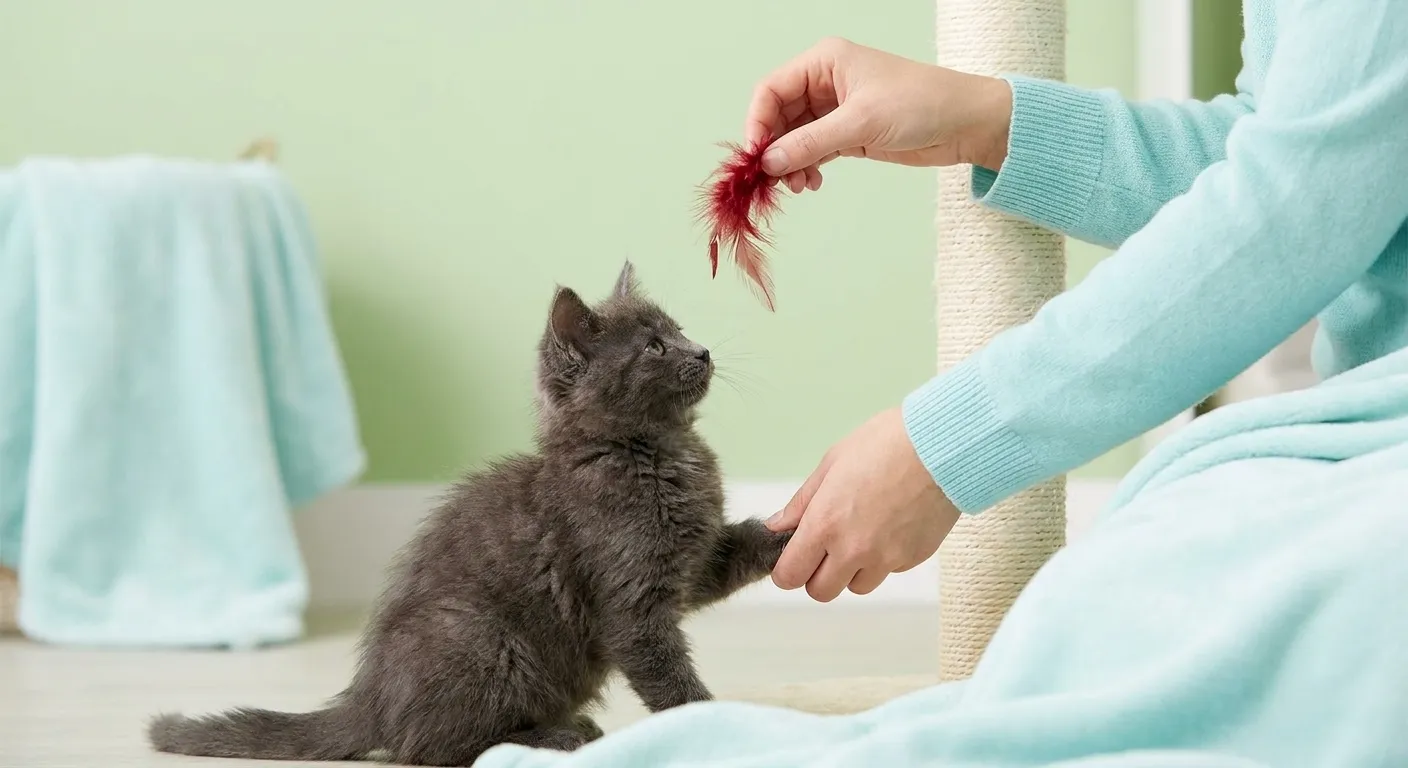
- Redirect: If your kitten nips or scratches, immediately withdraw your hand. Offer a suitable toy, such as a wand toy or kicker toy.
- Provide Outlets: Ensure your kitten has plenty of appropriate toys for solo play and interactive sessions. This helps them expend energy and practice hunting behaviors safely.
- Avoid Rough Play: Do not encourage rough play that involves using your hands directly. This can escalate into more aggressive biting.
Managing Destructive Scratching:
Scratching is a natural and necessary cat behavior. It helps them shed outer claw sheaths, mark territory, and stretch their muscles. The goal is not to stop scratching but to redirect it to appropriate surfaces.
- Provide Scratching Posts: Offer various types of scratching posts. Include vertical posts (sisal, cardboard) and horizontal scratchers. Some kittens prefer certain textures.
- Placement Matters: Place scratchers in prominent areas where your kitten spends time, especially near their sleeping spots. This encourages their use.
- Positive Reinforcement: Praise your kitten when they use a scratcher. You can also sprinkle catnip on the scratcher initially to attract them.
- Protect Furniture: Temporarily cover furniture corners with double-sided tape or deterrent sprays. This makes them less appealing.
Socialization and Early Learning
Early socialization is fundamental for developing a well-adjusted cat. Exposing your kitten to various sights, sounds, people, and gentle handling helps them become confident. Consequently, this prevents fear-based behavioral issues later. Effective kitten habituation is part of comprehensive behavior shaping.
Introducing New Experiences:
- Gentle Handling: Regularly handle your kitten. Touch their paws, ears, and mouth gently. This makes vet visits and grooming easier.
- Introduce New Sounds: Play various household sounds at a low volume. Gradually increase the volume to desensitize them.
- Controlled Introductions: When introducing new people or pets, do so slowly and positively. Reward calm behavior.
The Importance of Play:
Play is critical for a kitten’s physical and mental development. It mimics hunting behaviors and helps them learn social cues. Daily interactive play sessions are vital for good kitten behavior training.
- Interactive Toys: Use wand toys, laser pointers (with a treat at the end), and puzzle feeders. These engage their minds.
- Scheduled Playtime: Dedicate 10-15 minutes, two to three times a day, for active play. This helps establish a routine.
- Rotate Toys: Keep play interesting by rotating toys. This prevents boredom and keeps their interest high.
Addressing Common Behavioral Challenges
Even with the best intentions, new kitten owners might encounter specific challenges. Understanding how to approach these calmly and effectively is key to successful kitten behavior training. Many common issues can be resolved with patience and consistent effort.
Curbing Excessive Meowing:
Kittens meow for various reasons: hunger, attention, boredom, or discomfort. Identifying the cause is the first step.
- Rule Out Needs: First, ensure their basic needs are met. Check food, water, and litter box cleanliness.
- Address Boredom: If your kitten is meowing for attention, increase playtime and provide engaging toys.
- Avoid Reinforcing: Do not reward excessive meowing by immediately giving attention. Wait for a moment of quiet before interacting.
- Vet Check: Persistent or unusual meowing might indicate pain or illness. Consult your vet to rule out medical issues.
Preventing Counter Surfing and Unwanted Climbing:
Kittens are natural climbers. They are often drawn to high places. However, counters and shelves can be dangerous or unsanitary. Gentle guidance for feline behavior modification can help.
- Provide Alternatives: Offer cat trees, window perches, and shelves. These give them safe, appropriate climbing opportunities.
- Make Counters Unappealing: Use deterrents like double-sided tape, aluminum foil, or motion-activated compressed air. These create an unpleasant experience without harm.
- Consistent Redirection: Gently remove your kitten from forbidden surfaces every time. Place them on an approved climbing structure.
Positive Reinforcement and Consistency
Positive reinforcement is the cornerstone of effective kitten behavior training. It involves rewarding desired behaviors, making them more likely to be repeated. Punishment, conversely, can create fear and anxiety, damaging your bond with your kitten. This is a crucial aspect of positive cat training.
The Power of Rewards:
- Treats: Small, palatable treats are highly motivating. Use them sparingly for specific training moments.
- Praise and Affection: Gentle petting, enthusiastic verbal praise, and a happy tone reinforce good behavior.
- Play: A favorite toy or a quick play session can also be a powerful reward.
Maintaining Consistency:
Everyone in the household should be on the same page regarding rules and training methods. Inconsistent responses confuse kittens. For instance, if one person allows counter surfing and another doesn’t, the kitten won’t learn effectively. Consistency is vital for successful kitten behavior training.
Understanding Kitten Body Language
To effectively communicate with your kitten, it’s essential to understand their body language. This allows you to anticipate their needs and react appropriately. Knowing what your kitten is trying to tell you is a key component of effective kitten behavior training.
Common Cues:
- Tail Position: A high, wagging tail often means happiness. A tucked tail indicates fear. A twitching tail can signal agitation.
- Ear Position: Forward ears suggest alertness. Flattened ears indicate fear or aggression.
- Eye Contact: Slow blinks are a sign of trust and affection. Dilated pupils can mean excitement or fear.
- Vocalizations: Purring suggests contentment. Hissing or growling warns of distress or aggression.
Advanced Kitten Training and Enrichment
Beyond basic manners, engaging your kitten with advanced training and environmental enrichment can significantly enhance their well-being. This proactive approach supports ongoing feline behavior modification and prevents boredom.
Clicker Training:
Clicker training is a highly effective method for teaching more complex behaviors. It uses a distinct sound (the click) to mark the exact moment a desired action occurs, followed immediately by a reward.
- How it Works: When your kitten performs a desired action (e.g., sitting), you click and then offer a treat. The click becomes a
Explore more: More from Kitten Care Basics