Understanding your kitten’s communication is key to a strong bond and a happy home. Learning to read kitten body language allows you to respond to their needs, fears, and joys effectively. From the flick of an ear to the swish of a tail, every movement offers insight into their inner world. By recognizing these subtle cues, you can provide comfort, enrichment, and a sense of security, fostering a trusting relationship with your new feline friend. It’s a fundamental skill for any new kitten owner looking to nurture a well-adjusted companion.
The Basics of Kitten Communication
Kittens communicate constantly, even without making a sound. Their entire body acts as a canvas for their feelings. Paying close attention to their posture, facial expressions, and tail movements can reveal a lot. Indeed, observing these signs helps you anticipate their needs. Consequently, you can avoid misunderstandings and build a stronger connection. Moreover, early recognition of distress signals can prevent behavioral issues.
For instance, a kitten might flatten its ears when feeling threatened. Conversely, a relaxed kitten often has forward-facing ears. These small differences are crucial. Furthermore, understanding these signals helps you create a safe environment. A secure kitten is a happy kitten, after all.
Happy & Relaxed Kitten Body Language
When a kitten is content and secure, their body language often reflects this. You’ll typically see a relaxed posture, with their body loose and un-tense. Their ears might be pointed forward or slightly to the side, and their whiskers will be relaxed, not flattened against their face. A slow blink often signifies trust and affection. Purring, a gentle kneading motion with their paws, and a tail held high with a slight curl are all classic signs of a happy kitten. These are moments when your kitten feels safe and comfortable in their environment and with you. Observing these positive signals can reassure you that your kitten is thriving and feeling well.
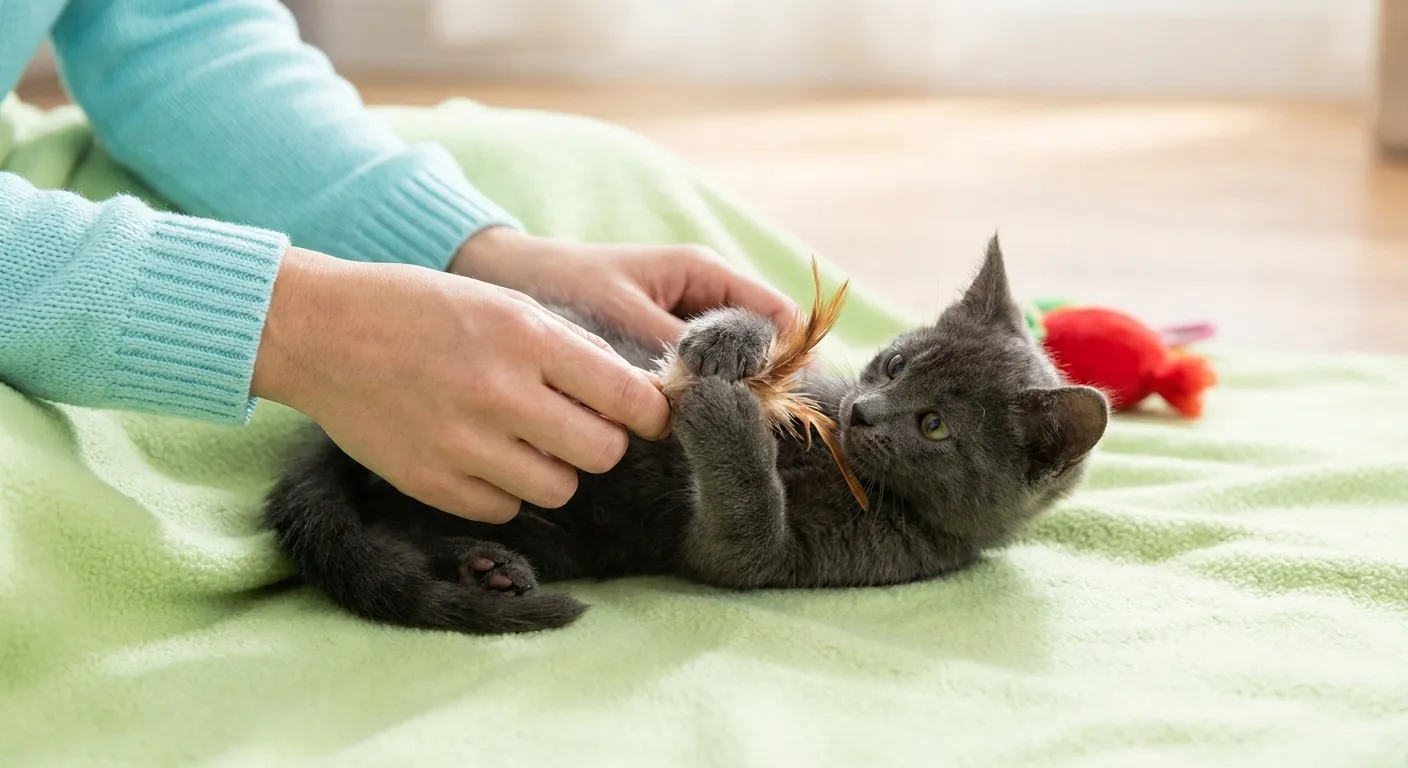
In addition, a relaxed kitten might stretch out, exposing their belly. This vulnerable position shows immense trust. Their eyes will often be soft and partially closed. Furthermore, a gentle head rub against your leg is a clear sign of affection. These actions create a peaceful atmosphere in your home. Therefore, encourage these moments of calm and connection.
Recognizing Signs of Stress or Fear
Just as important as recognizing happiness is identifying when your kitten is stressed or fearful. Early detection can prevent escalation and allow you to address the source of their discomfort. Signs of stress or fear include flattened ears pulled back against their head, dilated pupils, a low crouched posture, or a tucked tail held tight against their body. Hissing, growling, or piloerection (when their fur stands on end) are clear warnings that your kitten feels threatened. They might also try to hide or escape. If you notice these signs, approach cautiously and try to identify what is causing their distress. Sometimes a quiet space or a gentle, reassuring voice is all that’s needed to help them feel safe again.
Moreover, a fearful kitten might avoid eye contact. They may also exhibit rapid, shallow breathing. Trembling can be another indicator of severe anxiety. Consequently, it’s vital to respect their need for space. Never force interaction with a frightened kitten. Instead, offer a safe retreat, like a cozy box or carrier. This helps them regain a sense of security.
Understanding Your Kitten’s Tail Signals
The tail is perhaps one of the most expressive parts of a kitten’s anatomy. Its position and movement can convey a wide range of emotions. For instance, a tail held high and gently waving often indicates happiness and confidence. A tail tucked between the legs, however, signals fear or submission. A rapidly thrashing tail, on the other hand, usually means irritation or agitation. Similarly, a tail that twitches at the tip might show curiosity or slight annoyance.
A puffed-up tail, resembling a bottle brush, is a clear sign of extreme fear or aggression. This display aims to make the kitten appear larger and more threatening. Conversely, a tail wrapped around your leg or another cat signifies affection. Therefore, pay close attention to this vital communication tool. Learning these nuances enhances your ability to understand your kitten’s body language.
Interpreting Ear and Eye Cues
A kitten’s ears and eyes offer crucial insights into their emotional state. Forward-facing ears, relaxed and upright, generally mean a kitten is attentive and content. Ears swiveled to the side, sometimes called
Explore more: More from Kitten Care Basics