Bringing a new kitten home is an exciting time for many, but for some, the initial joy might be tempered by a timid little furball who prefers hiding to cuddling. If you find yourself with a cautious companion, don’t despair. Understanding how to approach socializing a shy kitten with patience and gentle methods can transform them into a confident, loving member of your family. This comprehensive guide will walk you through creating a safe environment and building trust, one gentle step at a time, ensuring a smooth transition for your new feline friend.
Understanding Kitten Shyness
Some kittens are naturally more reserved. This can be due to genetics, early experiences, or perhaps a lack of positive human interaction during their formative weeks. It’s crucial not to take their shyness personally. Instead, recognize it as a trait that requires understanding and a supportive approach.
Signs of a shy kitten often include: hiding under furniture, hissing or growling when approached, flattened ears, dilated pupils, avoiding eye contact, or trembling. They might also be hesitant to eat or use the litter box in new surroundings. Observing these behaviors helps you tailor your approach effectively. Furthermore, understanding decoding your kitten’s subtle signals can provide valuable insights into their comfort levels.
Creating a Safe Haven for Your Timid Kitten
The first and most important step in helping a timid kitten social is to establish a secure, quiet space where they feel completely safe. This should be a small room initially, like a bathroom or spare bedroom, away from high-traffic areas, loud noises, and other pets. Consequently, this dedicated space becomes their sanctuary.
Within this sanctuary, provide plenty of hiding spots. Consider cardboard boxes, tunnels, cat carriers covered with blankets, or even a cozy bed under a chair. These options allow your kitten to observe their new world from a place of perceived safety. Ensure food, water, and a litter box are easily accessible and close by. This environment reduces stress and allows your new companion to gradually acclimate. For more tips on setting up your home, refer to our guide on kitten-proofing your home.
Gentle Techniques for Socializing a Shy Kitten
Patience is your most valuable tool when working with a timid feline. Avoid forcing interaction. Instead, adopt the “sit and be still” method. Sit quietly in the kitten’s safe room, perhaps reading a book or gently talking in a soft voice, without trying to touch or even look directly at them. Allow the kitten to approach you on their terms. This builds trust, as they learn you are not a threat.
Use high-value treats to encourage positive associations. Leave a few treats near you or gently toss them in their direction when they are visible. Over time, they might come closer to retrieve them. This positive reinforcement can significantly aid in building confidence.
Interactive play is a powerful tool for building confidence and connection. Use a wand toy or a laser pointer (always ending with a physical toy for them to “catch”) to engage them from a distance. Play allows a shy kitten confidence to emerge from hiding and interact without direct physical contact, which can be less intimidating. These sessions are also wonderful for developing a strong human-kitten bond. Furthermore, remember that consistent, gentle play helps with kitten behavior training.
Gradually introduce new sights and sounds. Keep the TV on low, or let gentle household noises drift into their room. Slowly introduce other calm family members, one at a time, ensuring they understand the need for quiet, gentle interaction. Therefore, a structured introduction is key.
Building Trust Through Routine and Predictability
Kittens thrive on routine, and shy kittens especially benefit from predictability. Establish a consistent schedule for feeding, playtime, and quiet interaction. This helps them feel more secure in their new environment. For example, feed them at the same times each day and offer playtime sessions regularly. Consequently, they learn what to expect, reducing anxiety.
When you enter their safe space, move slowly and speak softly. Avoid sudden movements or loud noises that could startle them. Always announce your presence with a gentle voice before entering the room. This gives them time to prepare for your arrival, further cementing trust. In addition, always respect their boundaries.
The Power of Scent and Touch
Scent plays a significant role in a kitten’s world. Leave an item of your clothing, like a worn t-shirt, in their safe space. This allows them to become accustomed to your scent in a non-threatening way. Over time, your scent will become a comforting presence rather than a foreign one.
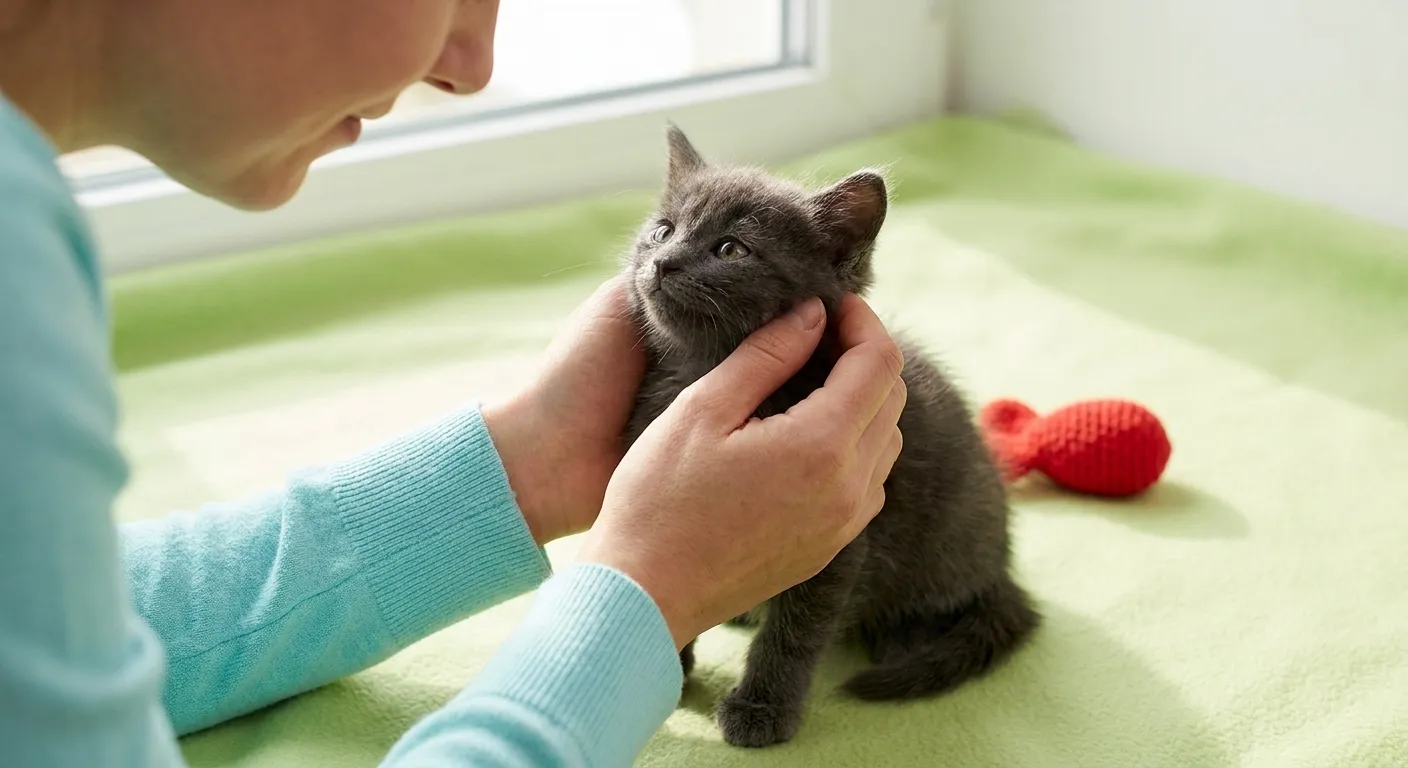
Once your kitten starts to approach you, resist the urge to immediately pet them. Instead, let them rub against you. When they seem ready for touch, offer a gentle finger for them to sniff. If they rub against it, you can try a very light, brief stroke on their head or cheek. Always watch for signs of discomfort, such as flattened ears or a tense body. Withdraw immediately if they show signs of stress. Building trust with a shy kitten is a marathon, not a sprint.
Introducing Other Pets and Family Members
When your shy kitten shows signs of increased confidence with you, you can begin very gradual introductions to other calm, well-behaved pets. Always supervise these interactions closely and ensure the shy kitten has an escape route. For instance, a baby gate can provide a visual introduction without direct contact. Similarly, introduce other family members one at a time, emphasizing calm, quiet interactions.
Never force interactions between pets. A negative first impression can set back weeks of progress. Instead, allow them to observe each other from a safe distance, gradually reducing the distance as comfort levels increase. Patience and careful observation are paramount during this stage. It is essential for successful socializing a shy kitten.
Overcoming Setbacks and Maintaining Progress
It’s important to remember that progress isn’t always linear. There might be days when your kitten seems to regress, becoming more timid again. Don’t get discouraged. Simply go back to earlier steps, reinforcing trust and safety. For example, if they start hiding more, spend more time just sitting quietly in their room without attempting interaction.
Celebrate small victories. Any sign of increased confidence, whether it’s eating in your presence, playing with a toy, or even making eye contact, is a step forward. Positive reinforcement, such as praise and treats, will encourage continued progress. Remember, socializing a shy kitten requires ongoing dedication.
If your kitten’s shyness is extreme or doesn’t improve with gentle socialization techniques, consider consulting with a veterinarian or a certified feline behaviorist. They can rule out any underlying medical conditions or offer specialized behavioral strategies. For instance, some shy kittens may benefit from pheromone diffusers. You can find more information about cat behavior resources from reputable organizations like the ASPCA.
The Long-Term Rewards of Socializing a Shy Kitten
The effort you put into socializing a shy kitten will be incredibly rewarding. A confident, well-adjusted cat is a joy to live with. They will be more comfortable in their environment, more receptive to affection, and generally happier. Furthermore, a well-socialized cat is often healthier, as they are less stressed and more cooperative during vet visits. Consequently, your patience will pay off immensely.
Continue to provide a stimulating environment with plenty of toys, scratching posts, and opportunities for play. Regular interaction, even once they are confident, reinforces their bond with you. Remember, every cat is an individual, and their journey to confidence will be unique. Your role is to be a consistent source of safety, love, and understanding. By consistently applying these gentle methods, you will successfully be socializing a shy kitten.
By following these steps, you’re not just helping a kitten; you’re building a lasting friendship. The transformation from a timid furball to a confident, affectionate companion is one of the most fulfilling experiences a pet owner can have. Your commitment to socializing a shy kitten will undoubtedly lead to a harmonious and loving home. Similarly, understanding how to socialize a cat in general can provide additional context.
Conclusion
Bringing home a shy kitten presents a unique opportunity to demonstrate patience, empathy, and unwavering support. By creating a secure environment, employing gentle interaction techniques, and respecting their individual pace, you can help your timid companion blossom. The journey of socializing a shy kitten may require time and dedication, but the reward of witnessing them transform into a confident, affectionate member of your family is truly priceless. Your consistent efforts will build a strong foundation of trust and love, ensuring a happy and well-adjusted life for your cherished feline friend.
FAQ: Helping a Timid Kitten Adjust
How long does it take for a shy kitten to become social?
The timeline varies greatly for each kitten. Some may show progress in a few days, while others might take weeks or even months. Patience is key. Consistent, gentle interaction over time will yield the best results for a timid feline.
What should I do if my shy kitten won’t eat?
Ensure food and water are easily accessible in their safe space. Try offering highly palatable wet food or special treats. If they still refuse to eat for more than 24 hours, contact your veterinarian immediately, as this can be a sign of illness. Proper kitten nutrition is vital.
Can I leave a shy kitten alone for extended periods?
While shy kittens need their space, they also need consistent, brief interactions to build trust. Avoid leaving them completely alone for very long periods, especially in the initial stages. Regular, short visits to their safe room are more beneficial than infrequent, long ones.
Is it okay to pick up a shy kitten?
Initially, no. Allow the kitten to initiate physical contact. Forcing a shy kitten to be picked up can further traumatize them and damage trust. Wait until they actively seek your attention and show comfort with gentle petting before attempting to pick them up.
How can I make my home less scary for a timid cat?
Minimize loud noises and sudden movements. Provide plenty of vertical spaces and hiding spots. Use calming pheromone diffusers if recommended by your vet. A consistent, predictable routine also helps make the environment feel safer for a nervous cat.