Water is a fundamental component of life, and for growing kittens, adequate hydration is absolutely critical for their health and development. Ensuring proper kitten water intake supports all bodily functions, from digestion and nutrient absorption to temperature regulation and waste elimination. Understanding how much water your kitten needs and how to encourage them to drink is key to their overall well-being. Indeed, prioritizing their hydration sets the foundation for a healthy life.
The Science Behind Kitten Water Intake
Kittens are made up of approximately 75% water. Consequently, even a small degree of dehydration can have serious health consequences. Their small bodies and high metabolism mean they need a relatively higher fluid intake compared to adult cats. Much of their initial hydration comes from their mother’s milk or kitten formula. However, as they transition to solid food, their reliance on external water sources increases. A general guideline suggests kittens need about 2-4 ounces of water per 5 pounds of body weight daily. This can vary based on activity level, diet (wet food provides more moisture), and environmental temperature. Consistent kitten water intake prevents issues.
Recognizing Dehydration in Kittens
Identifying signs of dehydration early is vital for your kitten’s health. Therefore, knowing what to look for can help you act quickly. Common indicators include lethargy, sunken eyes, dry gums, and reduced skin elasticity. To check skin elasticity, gently pinch the skin between your kitten’s shoulder blades. If it doesn’t snap back immediately, your kitten might be dehydrated. Furthermore, a decrease in urination is another concerning sign. If you suspect your kitten is dehydrated, contact your veterinarian immediately for guidance. Early intervention is crucial for their recovery.
Factors Influencing Your Kitten’s Hydration Needs
Several factors can affect how much water your kitten requires each day. Firstly, their diet plays a significant role. Kittens primarily eating dry kibble will need more supplemental water than those on a wet food diet, which contains a higher moisture content. Secondly, their activity level matters. Active, playful kittens burn more energy and consequently lose more fluid, requiring increased water access. Thirdly, environmental conditions, such as warm weather or a dry indoor climate, can also increase their need for fluids. Always ensure fresh water is readily available, especially during warmer months. Understanding these variables helps you better manage their fluid consumption.
Optimal Sources for Kitten Hydration
Providing the right types of water and food can significantly impact your kitten’s hydration. Tap water is generally acceptable if it’s safe for human consumption. Some owners opt for filtered water to remove impurities, which can sometimes improve taste for picky felines. Moreover, offering a mix of dry and wet food is often recommended. Wet food, as mentioned, provides substantial moisture, mimicking the natural diet of their wild ancestors. Consider kitten-specific formulas that are rich in nutrients and moisture. Also, avoid giving kittens milk, as many are lactose intolerant, which can lead to digestive upset rather than hydration. Focus on clean water and appropriate food sources.
Encouraging Healthy Kitten Water Intake Habits
Many cats, including kittens, have a naturally low thirst drive. This can be exacerbated by relying solely on dry kibble. Fortunately, there are many effective ways to encourage better hydration. Implementing these strategies proactively can make a significant difference in your kitten’s daily fluid consumption. Moreover, creating an inviting water environment is key to promoting good drinking habits. Observe your kitten’s preferences and adjust your approach accordingly. Consistent effort in these areas will contribute greatly to their overall well-being and consistent kitten water intake.
- Provide Multiple Water Sources: Place several bowls of fresh water around your home. Different locations can appeal to their exploratory nature. This also ensures water is always within easy reach.
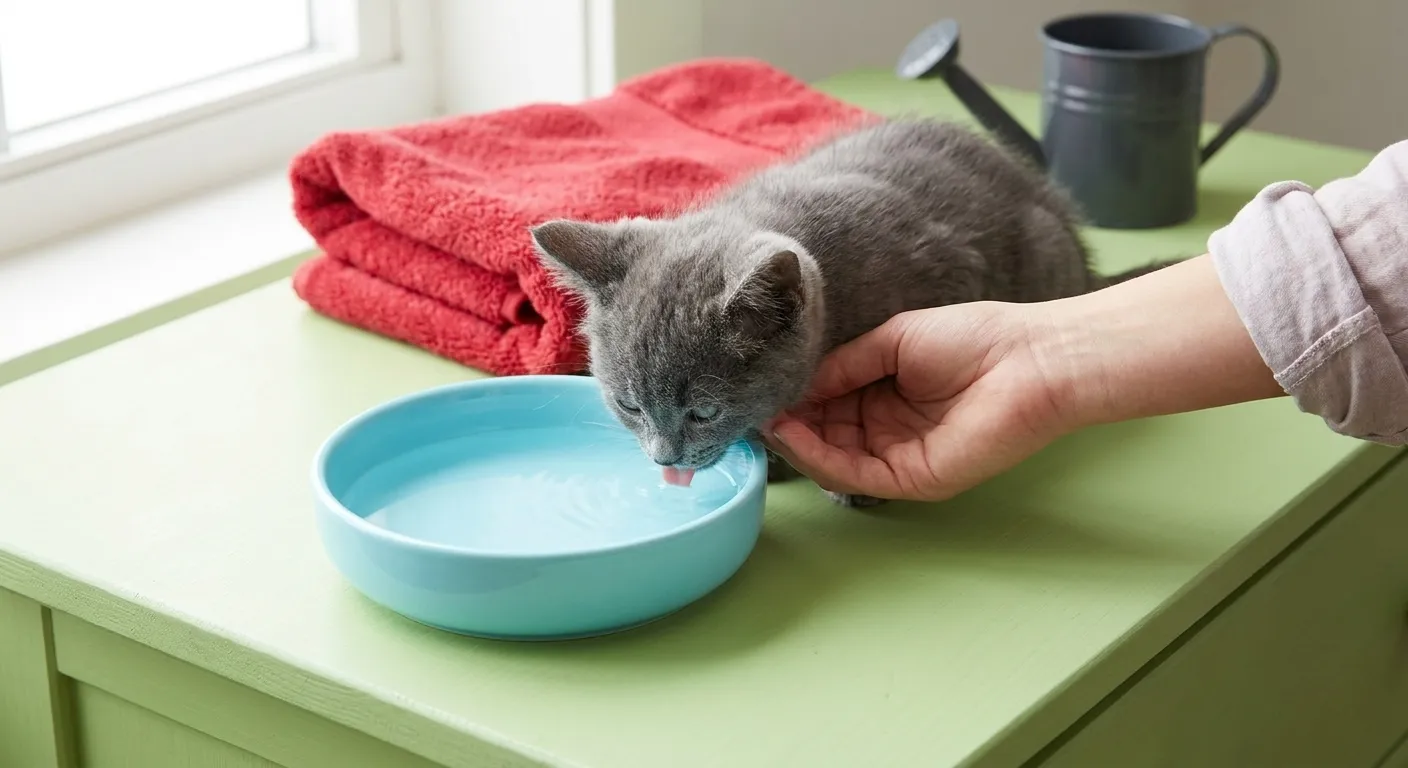
- Use Wide, Shallow Bowls: Some cats dislike their whiskers touching the sides of deep bowls. Therefore, wide, shallow ceramic or stainless steel bowls are often preferred. Plastic bowls can harbor bacteria and retain odors, making them less appealing.
- Consider a Water Fountain: Moving water is often more appealing to cats than still water, mimicking natural sources like streams. A filtered pet water fountain can encourage more frequent drinking.
- Keep Water Fresh and Clean: Change the water daily and clean the bowls regularly to prevent bacterial buildup and ensure good taste. Indeed, a dirty water source is often ignored by felines.
- Incorporate Wet Food: Wet kitten food has high moisture content, significantly contributing to their daily fluid intake. Mixing a little warm water into wet food can further boost hydration.
- Add a Splash of Flavor (Sparingly): Sometimes, a tiny bit of tuna juice (in water, not oil) or low-sodium chicken broth (without onion or garlic) can entice a kitten to drink more. Use this method sparingly to avoid creating a picky drinker.
Monitoring Your Kitten’s Hydration Status
Regularly checking your kitten’s hydration status is a responsible part of pet ownership. Beyond the visual cues of dehydration, you can monitor their water consumption. If you notice a significant drop in their drinking habits or if they seem less energetic, it’s a good idea to consult your veterinarian. Moreover, keeping track of their litter box habits can provide clues; fewer wet spots might indicate reduced water consumption. Maintaining optimal kitten water intake is a continuous process. Your vet can offer personalized advice based on your kitten’s specific needs and health condition. For more information on general kitten health, visit ASPCA Kitten Care.
Addressing Common Hydration Challenges
Sometimes, despite your best efforts, kittens might still be reluctant to drink enough. One common challenge is a preference for certain water types or temperatures. Some kittens prefer cool water, while others might prefer room temperature. Experimenting can help you find their preference. Another issue can be the location of the water bowls. Cats are naturally wary of eating or drinking near their litter box, so ensure water stations are separate and in quiet, safe areas. If your kitten is consistently avoiding water, it might also be a sign of an underlying health issue. In such cases, professional veterinary advice is essential. Furthermore, ensuring adequate kitten water intake is a proactive measure against various health problems. You can also explore additional resources on feline hydration from reputable sources like Cornell Feline Health Center.
The Long-Term Benefits of Proper Hydration
Establishing good hydration habits early in a kitten’s life offers numerous long-term health benefits. Proper fluid balance supports kidney function, helping to prevent urinary tract issues that are common in older cats. It also aids in digestion, ensuring nutrients are absorbed efficiently and waste is eliminated effectively. Moreover, well-hydrated kittens tend to have healthier skin and coats, displaying more vitality and energy. Consistent kitten water intake contributes significantly to their overall resilience. By making hydration a priority now, you are investing in your kitten’s future health and happiness, helping them to thrive for years to come. This foundational care is truly invaluable.
Conclusion
Prioritizing your kitten’s hydration is a simple yet impactful way to safeguard their health. From understanding their specific needs to implementing practical strategies for encouraging drinking, every effort contributes to their well-being. Remember that proper kitten water intake is crucial for their growth, development, and long-term vitality. By providing fresh, clean water in appealing ways and incorporating moisture-rich foods, you can ensure your tiny companion stays well-hydrated. This supports their vibrant growth and energy levels for a long, happy life. Your attention to this basic need will undoubtedly foster a healthier, happier feline friend.
FAQ
How much water does a kitten need daily?
Generally, kittens need about 2-4 ounces of water per 5 pounds of body weight each day. This amount can vary based on their diet (wet food provides more moisture), activity level, and environmental temperature. Always ensure fresh water is readily available.
What are the signs of dehydration in young cats?
Key signs of dehydration include lethargy, sunken eyes, dry or sticky gums, and reduced skin elasticity. If you gently pinch the skin between their shoulder blades and it doesn’t snap back quickly, they might be dehydrated. Consult a vet if you notice these symptoms.
Is tap water safe for my kitten to drink?
Yes, tap water is generally safe for kittens if it’s safe for human consumption. Some owners prefer filtered water to remove impurities or improve taste. The most important thing is that the water is fresh and clean.
How can I encourage my kitten to drink more water?
To encourage more drinking, provide multiple water bowls in different locations, use wide, shallow bowls, consider a pet water fountain, keep the water fresh and clean daily, and incorporate wet food into their diet. You can also try adding a tiny bit of tuna juice to their water.
Does wet food count towards a kitten’s fluid needs?
Absolutely! Wet kitten food has a high moisture content, significantly contributing to their daily fluid intake. Feeding a diet that includes wet food is an excellent way to boost their overall hydration.
Explore more: More from Kitten Care Basics