
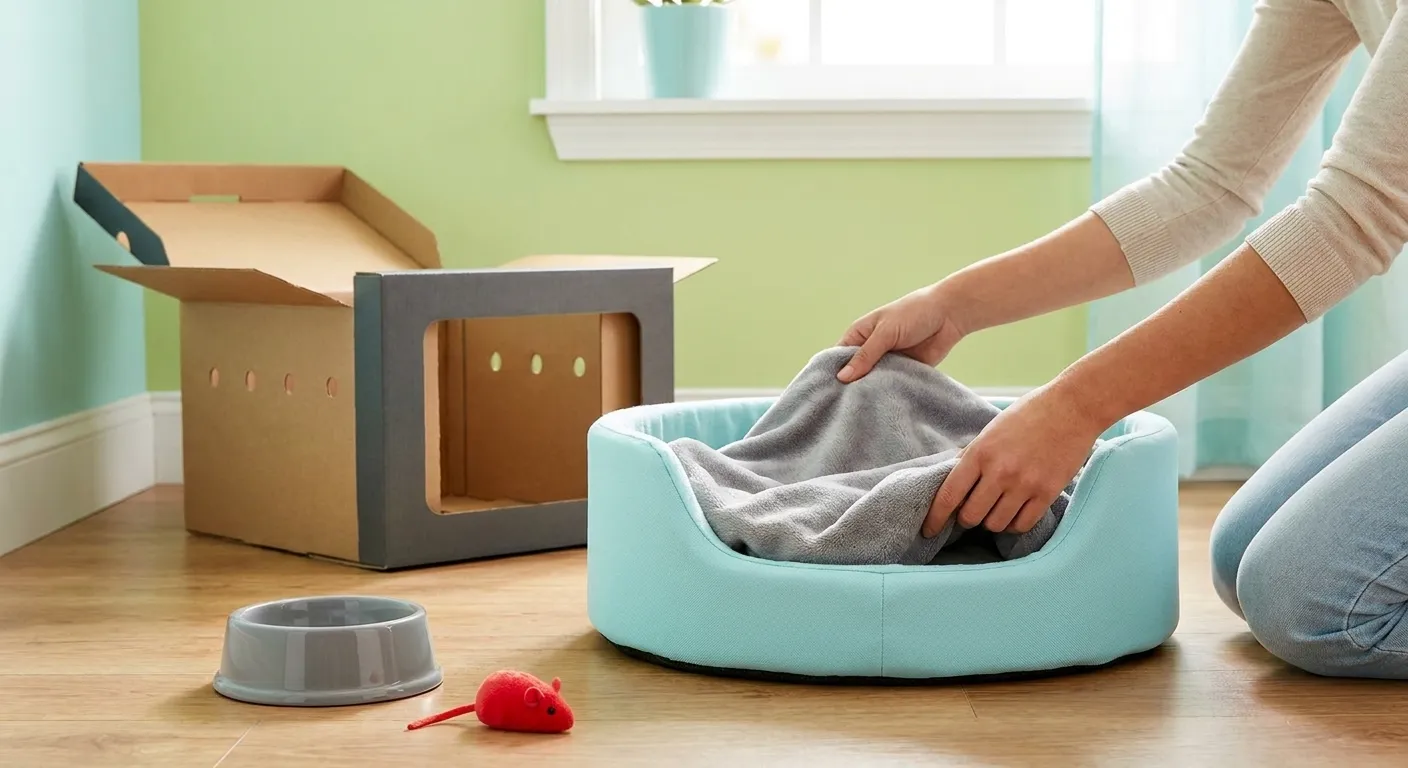
Prepare for new kitten is the focus of this guide. Bringing a new kitten home is an incredibly exciting time, filled with anticipation and joy. To prepare for a new kitten effectively, it’s essential to create an environment that is not only safe and comfortable but also stimulating for their development. This guide will walk you through the foundational steps to ensure your tiny new family member transitions smoothly into their forever home, reducing stress for both of you. Ultimately, a well-prepared home sets the stage for a happy, healthy kitten.
Setting Up Your Kitten’s Sanctuary
The first few days in a new home can be overwhelming for a kitten. Designating a specific ‘safe room’ or quiet area is crucial. This space should be small, quiet, and easily contained, offering a sense of security before they explore the rest of your home. For example, think about a bathroom, laundry room, or a spare bedroom. Equip this space with all their necessities:
- Litter Box: Choose a small, shallow litter box that’s easy for them to access. Avoid covered boxes initially, as they might be intimidating. Opt for unscented clumping litter. For more guidance on this, see our resource on Litter Box Training for Kittens: A Clean Start.
- Food and Water Bowls: Stainless steel or ceramic bowls are best for hygiene. Place them away from the litter box. Furthermore, ensure fresh water is always available.
- Bedding: A soft, comfortable bed or a cozy blanket in a carrier provides a secure sleeping spot. Some kittens love enclosed beds; consequently, consider their comfort.
- Toys: A variety of toys, including crinkle balls, feathered wands, and soft mice, will help them play and adapt. Ensure they are kitten-safe and cannot be swallowed.
- Scratching Post/Pad: Encourage appropriate scratching behavior from day one. Offer both vertical and horizontal options to satisfy their natural instincts.
Kitten-Proofing Your Home: Safety First
Before your kitten even steps paw inside, thoroughly inspect your entire living space from a kitten’s perspective. They are naturally curious and can squeeze into the tiniest spaces. Here’s a checklist to help you make your home safe:
- Secure Cords and Wires: Electrical cords are tempting chew toys. Bundle them, use cord protectors, or hide them away. This prevents accidental electrocution or strangulation.
- Remove Toxic Plants: Many common houseplants are poisonous to cats. Research any plants you own and remove or place toxic ones out of reach. The ASPCA provides a comprehensive list of toxic and non-toxic plants for cats.
- Block Small Spaces: Kittens can get stuck in tight gaps behind appliances, in cabinets, or under furniture. Block these off to prevent them from becoming trapped.
- Store Chemicals Safely: Keep all cleaning supplies, medications, and other hazardous materials in locked cabinets. This is a critical step in safeguarding your kitten.
- Check Windows and Doors: Ensure screens are secure and windows are closed or only open a crack to prevent escapes or falls. In fact, even a small gap can be an invitation for adventure.
- Beware of Small Objects: Remove small items like rubber bands, hair ties, string, and small toys that could be swallowed and cause blockages. These can pose serious health risks. For more detailed advice, consider our guide on Kitten-Proofing Your Home: Creating a Safe Haven.
Essential Supplies to Have on Hand
Beyond the sanctuary setup, having these general supplies ready will make the first few weeks much smoother. Therefore, it’s wise to gather everything beforehand.
- High-Quality Kitten Food: Consult with your vet or the shelter about the food your kitten has been eating. Gradually transition to a high-quality kitten formula appropriate for their age. Remember, proper nutrition is vital for growth.
- Food and Water Bowls: As mentioned, stainless steel or ceramic are ideal. Ensure they are easy to clean and cannot be tipped over easily.
- Litter and Litter Box: Have at least one litter box per kitten, plus one extra, and keep them clean. This encourages good litter habits.
- Carrier: A secure and comfortable carrier is essential for vet visits and safe transport. Consequently, choose one that is well-ventilated and easy to clean.
- Grooming Supplies: A soft brush, kitten-safe nail clippers, and possibly kitten-specific shampoo will be needed for basic grooming. Regular grooming helps maintain their coat and strengthens your bond.
- First-Aid Kit: Assemble a basic kit with items like sterile wipes, gauze, pet-safe antiseptic, and tweezers. Knowing how to handle minor injuries is important.
- Toys: A variety of interactive and solo toys will keep your kitten entertained and mentally stimulated. This also helps redirect their playful energy away from your belongings.
- Scratching Posts/Pads: Provide multiple options to encourage healthy scratching habits and protect your furniture.
Preparing for Your Kitten’s Arrival: The First Day and Beyond
Once you’ve done the initial setup, you’re ready to actually welcome your new family member. The first day is critical for establishing trust and comfort. Here’s how to make it a positive experience:
The First Few Hours
Upon arrival, take your kitten directly to their designated safe room. Open the carrier door and allow them to emerge at their own pace. Do not force them out. Sit quietly in the room, speak softly, and let them explore. Offer a small amount of food and water. This quiet introduction helps them acclimatize without feeling overwhelmed. Furthermore, keep other pets and small children away during this initial period.
Socialization and Bonding
After a few days, as your kitten becomes more comfortable in their safe room, you can begin gradual introductions to other family members and pets. Always supervise these interactions closely. Use treats and praise to create positive associations. Gentle play sessions are an excellent way to bond. Moreover, learning about Decoding Your Kitten’s Subtle Signals: A Guide to Kitten Body Language can greatly assist in understanding their comfort levels.
Establishing a Routine
Kittens thrive on routine. Establish consistent feeding times, playtimes, and litter box cleaning schedules. This predictability reduces anxiety and helps them feel secure in their new environment. For instance, regular mealtimes contribute to healthy digestion. A consistent schedule is a key part of how to prepare for a new kitten successfully.
Health and Wellness Preparations
Beyond physical safety and comfort, considering your kitten’s health is paramount. Before bringing them home, ideally, you should schedule their first vet visit.
Vet Appointments and Vaccinations
Schedule an appointment with a veterinarian within the first few days of bringing your kitten home. The vet will perform a thorough check-up, administer necessary vaccinations, and discuss parasite prevention. This initial visit is crucial for their long-term health. Learn more about Essential Kitten Vet Visits: A Schedule for Lifelong Health.
Nutrition and Hydration
Continue feeding your kitten a high-quality, age-appropriate diet. Consult your vet about the best food choices. Fresh water should always be available, possibly in multiple locations. Understanding Hydration for Kittens: Keeping Your Feline Friend Well-Watered is fundamental for their well-being. Proper nutrition is a cornerstone of feline health.
Spaying/Neutering
Discuss spaying or neutering with your veterinarian. This procedure offers numerous health and behavioral benefits and helps control pet overpopulation. Many shelters require kittens to be spayed or neutered before adoption. Therefore, plan this important step.
Training and Behavioral Considerations
Starting early with gentle training and understanding kitten behavior will lead to a well-adjusted companion. It’s an important aspect to prepare for a new kitten.
Litter Box Training
Most kittens instinctively use a litter box, especially if they were previously with their mother. Show them where the litter box is in their safe room. Place them in it after waking up, after meals, and periodically throughout the day. Praise them when they use it correctly. Consistency is key here. If you need more help, our article on Litter Box Training for Kittens: A Clean Start offers detailed advice.
Scratching Behavior
Provide plenty of appropriate scratching surfaces. Reward your kitten when they use their scratching post. If they scratch furniture, gently redirect them to a post. Never punish them for scratching; instead, encourage the right behavior. This proactive approach will save your furniture. Indeed, it’s far better to prevent than to correct.
Gentle Handling and Play
Accustom your kitten to being handled gently from a young age. This makes vet visits and grooming easier. Engage in interactive play that mimics hunting, but avoid using your hands as toys. This prevents them from developing habits of biting or scratching people. For example, wand toys are excellent for this purpose. Learning about Kitten Behavior Training: Gentle Guidance for a Harmonious Home can be very beneficial.
Long-Term Planning: Beyond the First Few Weeks
While the initial focus is on bringing a new kitten home, it’s important to think about their future needs as well. Planning ahead ensures a happy life for your feline friend.
Financial Considerations
Owning a cat involves financial responsibility. Budget for ongoing food, litter, vet visits (including emergencies), toys, and grooming supplies. Pet insurance is an option many owners consider to help with unexpected veterinary costs. Hence, it’s wise to research these costs in advance. The average annual cost of owning a cat can range from $700 to $1,000 or more, depending on various factors.
Ongoing Enrichment
As your kitten grows, continue to provide environmental enrichment. This includes new toys, puzzle feeders, cat trees, and supervised outdoor access (if safe and appropriate). Mental and physical stimulation prevents boredom and behavioral issues. Consequently, a stimulated kitten is a happy kitten.
Regular Vet Check-ups
Even after the initial visits, routine annual check-ups are essential for maintaining your kitten’s health throughout their life. Your vet can catch potential issues early and provide preventive care. Therefore, schedule these appointments diligently.
Conclusion
Bringing a new kitten into your home is a rewarding experience that requires careful preparation. By creating a safe sanctuary, kitten-proofing your home, gathering essential supplies, and establishing healthy routines, you can ensure a smooth and joyful transition for your new furry companion. Remember, patience, love, and consistency are key to nurturing a happy, well-adjusted kitten. Taking the time to properly prepare for a new kitten will lay the groundwork for years of companionship. We hope this guide helps you prepare for a new kitten successfully and confidently.
FAQ
What should be the first thing I do when I bring my kitten home?
Upon arriving home, immediately take your kitten to their pre-prepared safe room. Open the carrier and allow them to explore at their own pace. Sit quietly nearby, speak softly, and offer food and water. This allows them to acclimate without feeling overwhelmed.
How long does it take for a new kitten to adjust to a new home?
Adjustment times vary, but most kittens start to feel comfortable in their safe room within a few days to a week. Full adjustment to the entire home and family can take several weeks to a few months. Patience and consistency are crucial during this period.
What are the most important supplies to have before getting a kitten?
Essential supplies include a litter box and litter, food and water bowls, high-quality kitten food, a comfortable bed, a carrier, and a variety of kitten-safe toys and scratching posts. Having these ready helps ensure a smooth transition.
How can I make my home safe for a new kitten?
To ensure home safety, secure all electrical cords, remove toxic plants, block off small crevices, store chemicals in locked cabinets, and ensure windows and doors are secure. Also, remove any small objects that could be swallowed, as kittens are very curious.
When should I introduce my kitten to other pets?
After your kitten has settled into their safe room for a few days and shows comfort, you can begin gradual, supervised introductions to other pets. Always do this slowly, in a controlled environment, and reward positive interactions. Separate them if any signs of stress or aggression appear.