Establishing a routine of kitten vaccination schedule and regular vet check-ups is one of the most important things you can do as a new kitten owner. These early visits are crucial for preventing common diseases, monitoring growth, and addressing any potential health concerns before they become serious. Think of these appointments as building blocks for a long, healthy life for your feline friend. Furthermore, understanding the timing and purpose of each visit will empower you to provide the best care.
Bringing a new kitten home is an exciting time. However, it also comes with significant responsibilities. Foremost among these is ensuring your kitten receives proper veterinary care right from the start. This proactive approach safeguards their health and helps them thrive in their new environment. Consequently, a well-planned series of vet visits forms the cornerstone of responsible pet ownership.
The Importance of Your Kitten Vaccination Schedule
Vaccinations protect your kitten from highly contagious and often fatal diseases. The core vaccines typically include FVRCP (Feline Viral Rhinotracheitis, Calicivirus, and Panleukopenia) and Rabies. Your veterinarian will outline a specific kitten vaccination schedule based on your kitten’s age, local disease prevalence, and lifestyle. This schedule usually involves a series of shots given a few weeks apart, followed by boosters throughout their adult life. Sticking to this schedule is vital for building robust immunity. Moreover, these vaccines are critical for public health, especially the rabies vaccine.
FVRCP protects against three significant feline illnesses. Feline Viral Rhinotracheitis, also known as feline herpesvirus, causes severe upper respiratory infections. Calicivirus causes similar respiratory symptoms and oral ulcers. Panleukopenia, or feline distemper, is a highly contagious and often fatal viral disease affecting the gastrointestinal tract and immune system. Administering these vaccines according to the recommended timetable is essential for comprehensive protection. In fact, delaying vaccinations can leave your kitten vulnerable to these serious threats.
Rabies is a deadly viral disease that can affect all warm-blooded animals, including humans. The rabies vaccine is legally required in many areas due to its severe public health implications. Your vet will advise on the appropriate age for this crucial vaccination, usually around 12-16 weeks. Subsequently, regular booster shots are necessary to maintain immunity. Therefore, always prioritize this vaccine as part of your kitten’s preventative care.
Beyond Vaccinations: Comprehensive Kitten Check-ups
Vet visits for kittens aren’t just about shots. Each appointment is an opportunity for a thorough physical examination, where the vet will check their weight, eyes, ears, teeth, heart, and lungs. They will also discuss parasite prevention (for fleas, ticks, and worms), proper nutrition, litter box habits, and behavior. These early check-ups allow your vet to establish a baseline for your kitten’s health, making it easier to spot any deviations in the future. Don’t hesitate to ask any questions you have, no matter how small; your vet is your best resource for kitten care. Furthermore, these visits build a relationship of trust between your kitten and the veterinary team.
During these examinations, the vet will carefully palpate your kitten’s abdomen to check for any abnormalities. They will listen to their heart and lungs for any murmurs or irregular sounds. Similarly, a thorough dental check will assess the development of their baby teeth. Early detection of any issues, such as congenital problems or developmental delays, can significantly improve outcomes. Therefore, these comprehensive assessments are invaluable.
The First Kitten Vet Visit: What to Expect
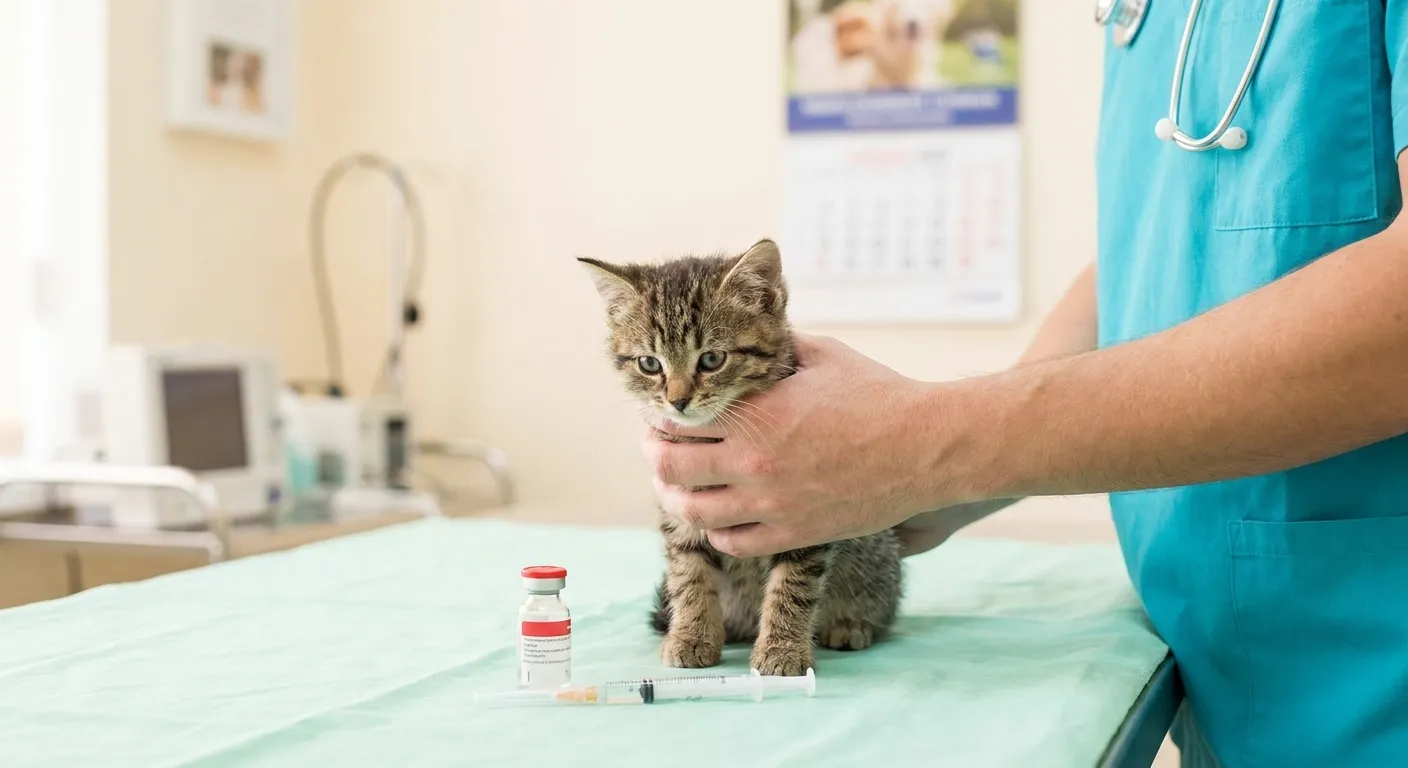
Your kitten’s first vet visit typically occurs when they are around 6-8 weeks old. This initial appointment is comprehensive. The vet will perform a full physical examination, check for external parasites like fleas, and discuss deworming protocols. They will also administer the first round of core vaccines, starting the kitten vaccination schedule. Moreover, this is a great opportunity to discuss any immediate concerns you might have about your new pet.
During this visit, the veterinarian will likely take a stool sample to check for internal parasites. They will also provide guidance on feeding, socialization, and how to create a safe home environment. It’s important to bring any existing health records for your kitten, if available, from the breeder or shelter. This information helps your vet tailor the best care plan. Subsequently, they will schedule the next series of vaccinations.
Follow-Up Visits and Booster Shots
After the initial visit, your kitten will need a series of follow-up appointments, usually every 3-4 weeks, until they are about 16 weeks old. Each visit will include another physical exam and the next booster shot in the kitten vaccination schedule. These boosters are essential because a kitten’s maternal antibodies can interfere with the effectiveness of early vaccines. The series ensures a strong, lasting immune response.
During these subsequent visits, your vet will continue to monitor your kitten’s growth and development. They might discuss the appropriate timing for spaying or neutering, which is a crucial step in preventing unwanted litters and certain health issues. Additionally, they will reinforce advice on diet, behavior, and ongoing parasite prevention. Maintaining this routine is key to their ongoing health.
Annual Wellness Exams for Adult Cats
Once your kitten has completed their initial series of vaccinations and reaches adulthood, annual wellness exams become crucial. These yearly check-ups, while not part of the initial kitten vaccination schedule, are vital for maintaining long-term health. They allow your vet to catch potential health problems early, monitor chronic conditions, and provide updated preventative care. Furthermore, annual booster vaccinations for diseases like FVRCP and Rabies will be administered.
During these annual visits, the vet will perform a thorough physical exam, often including blood work or urinalysis for older cats. They will assess dental health, which is a common concern in adult felines, and discuss any changes in diet or behavior you’ve observed. Consistent annual care ensures your cat remains healthy and happy for many years. Consequently, these visits are just as important as the early ones.
Preparing for Your Kitten’s Vet Visit
Proper preparation can make vet visits less stressful for both you and your kitten. First, accustom your kitten to their carrier well before the appointment. Leave the carrier open with treats or toys inside so they associate it with positive experiences. Secondly, try to schedule appointments during quieter times at the clinic, if possible. This can reduce noise and stress. Additionally, bring a favorite blanket or toy to comfort your kitten during the visit.
Before you go, make a list of any questions or concerns you have. This ensures you don’t forget anything important once you’re at the clinic. Be prepared to discuss your kitten’s diet, litter box habits, energy levels, and any unusual behaviors. Knowing the kitten vaccination schedule in advance can also help you anticipate upcoming procedures. Ultimately, being well-prepared contributes to a more productive appointment.
Understanding the Costs of Kitten Vet Care
The cost of initial kitten vet visits, including the kitten vaccination schedule, deworming, and initial health checks, can vary. It’s wise to budget for these expenses. Many clinics offer kitten packages that bundle these services at a reduced rate. Pet insurance is another option to consider, as it can help cover unexpected veterinary costs throughout your pet’s life. Moreover, preventative care often saves money in the long run by avoiding more expensive treatments for advanced diseases.
Discussing costs openly with your veterinarian is always a good idea. They can provide estimates for services and help you prioritize care. Remember, investing in your kitten’s early health is an investment in their future wellbeing. Therefore, view these costs as a necessary part of responsible pet ownership. Subsequently, you will enjoy many healthy years with your feline companion.
Common Questions About Kitten Vaccinations
New kitten owners often have many questions regarding vaccinations. It’s natural to want to ensure your kitten receives the best protection. For instance, some wonder about potential side effects, while others inquire about the necessity of certain vaccines. Your veterinarian is the best source for personalized advice, but understanding general guidelines can be very helpful. Remember, an informed owner makes better decisions for their pet’s health.
Why are multiple doses needed for the kitten vaccination schedule?
Multiple doses are crucial because a kitten’s immune system is still developing. Maternal antibodies, passed from the mother, can interfere with a vaccine’s effectiveness. A series of shots ensures that even if some doses are neutralized by these antibodies, others will stimulate a strong, lasting immune response. This layered approach provides robust protection as the kitten matures. Consequently, consistency with the vaccine series is paramount.
Are there any risks associated with kitten immunizations?
While generally safe, some kittens may experience mild, temporary side effects after vaccinations. These can include soreness at the injection site, a slight fever, or lethargy. More severe reactions, though rare, can occur, such as allergic reactions. If you notice any concerning symptoms, contact your vet immediately. However, the benefits of preventing serious, life-threatening diseases far outweigh these minor risks.
Can indoor kittens skip certain vaccines?
Even indoor kittens benefit from a complete immunization plan. While their exposure risk might be lower, pathogens can still enter the home on shoes, clothing, or through open windows. Furthermore, accidents happen, and an indoor cat could escape. Rabies vaccination is often legally required regardless of lifestyle. Therefore, discuss your indoor cat’s specific needs with your vet, but generally, core vaccines are recommended for all.
What is the typical age for the first round of kitten vaccinations?
The first round of kitten vaccinations usually begins when kittens are around 6-8 weeks old. This timing is critical because by this age, the protective maternal antibodies begin to wane, leaving the kitten vulnerable. Your vet will then recommend subsequent booster shots every 3-4 weeks until the kitten is about 16 weeks old. Following this initial timeline is crucial for developing strong immunity.
How important is the rabies shot for my young cat?
The rabies shot is extremely important for your young cat, not just for their health but also due to legal requirements in many areas. Rabies is a fatal disease for animals and can be transmitted to humans. Vaccinating your cat protects them from this deadly virus and ensures compliance with public health regulations. Additionally, it offers peace of mind knowing your cat is safeguarded. Hence, it is a non-negotiable part of their early veterinary care.
Conclusion
Regular veterinary care during kittenhood is an investment in your pet’s future. By following a recommended kitten vaccination schedule and attending all advised check-ups, you’re giving your kitten the best possible start and ensuring they grow into a healthy, happy adult cat. These early interventions are critical for preventing disease, monitoring development, and establishing a baseline for lifelong health. Moreover, building a strong relationship with your veterinarian provides invaluable support as you navigate the joys and challenges of kitten ownership. Therefore, prioritize these essential visits for your new feline family member.
Explore more: More from Kitten Care Basics