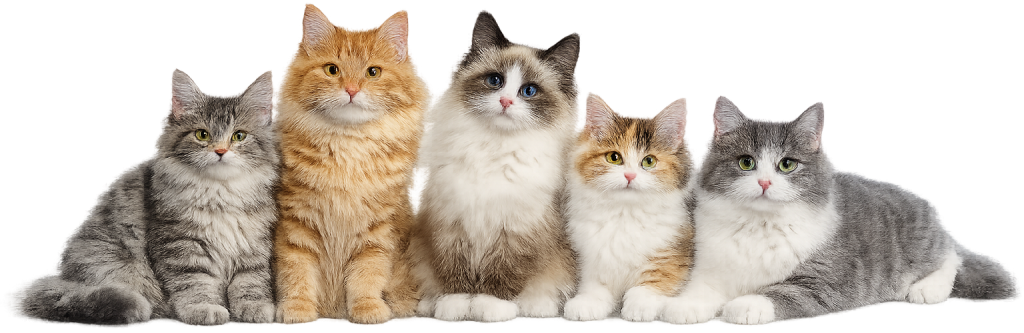
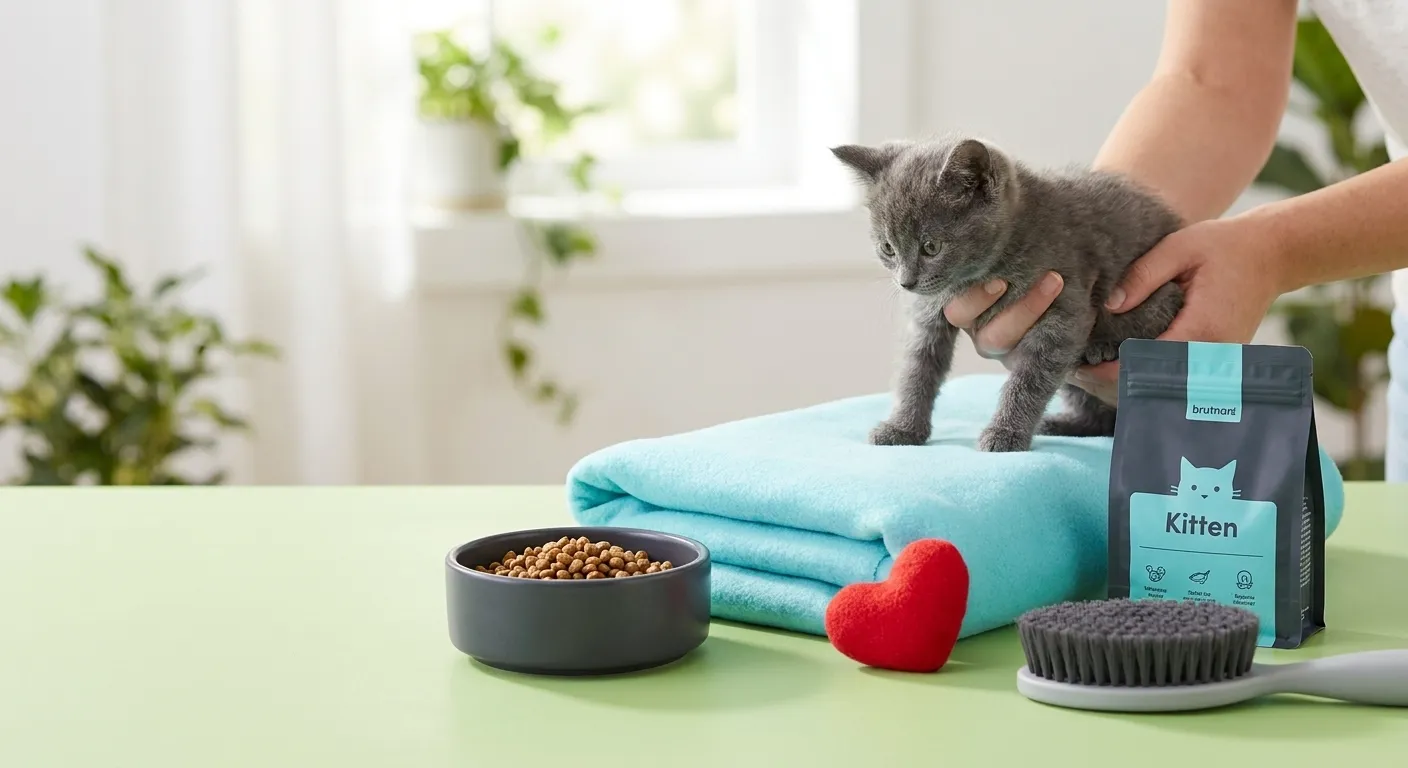
Bringing a new kitten home marks an exciting new chapter. Preparing for their arrival, therefore, means gathering all the necessary items. With countless products on the market, however, it can feel overwhelming to decide what’s truly essential. This guide focuses on the absolute essential kitten supplies you’ll need to provide a comfortable, safe, and stimulating environment for your new feline friend.
Understanding Your Kitten’s Needs: Beyond the Basics
Before diving into specific products, it’s helpful to consider your kitten’s fundamental needs. Kittens require proper nutrition for rapid growth, a clean and safe space, opportunities for play and mental stimulation, and regular veterinary care. Consequently, the items you choose should support these core areas. Prioritizing these aspects helps ensure a healthy and happy start for your new companion.
Why Quality Matters for Your Kitten’s First Items
Investing in good quality items from the start can save money and hassle in the long run. Durable products last longer, and safer materials protect your kitten. For example, cheap plastic bowls can harbor bacteria, leading to health issues. Similarly, poorly made toys might break, posing choking hazards. Therefore, always choose items designed specifically for kittens, ensuring their safety and well-being.
The Absolute Essential Kitten Supplies List
Here’s a breakdown of the vital items every new kitten owner should have on hand. These are the foundational pieces for a happy and healthy kitten life.
1. Food and Water Bowls
Choosing the right bowls is more important than you might think. Select ceramic, stainless steel, or glass bowls. Plastic, on the other hand, can harbor bacteria and cause feline chin acne. Furthermore, ensure they are shallow enough for your kitten to comfortably eat and drink without straining their whiskers. This prevents whisker fatigue, which can be uncomfortable for cats. Always keep water fresh and readily available.
2. High-Quality Kitten Food
Kittens have unique dietary needs due to their rapid growth and high energy levels. Therefore, high-quality, kitten-specific wet and/or dry food is crucial for their development. Look for foods formulated for kittens, often labeled ‘growth’ or ‘all life stages’. Your veterinarian can offer brand recommendations tailored to your kitten’s specific health profile. They can also advise on feeding schedules and portion sizes.
3. Litter Box and Litter
A litter box is non-negotiable. Choose a litter box with low sides for easy access, especially for very young kittens. Unscented, clumping litter is generally ideal. Strong scents can deter kittens from using the box. Consider a litter mat placed outside the box to minimize tracking of litter throughout your home. Moreover, place the litter box in a quiet, accessible location away from food and water bowls.
4. Secure Carrier
A sturdy, secure carrier is an absolute necessity for safe transport. You’ll use it for vet visits, moving, or even just keeping your kitten safe during emergencies. Look for one that’s easy to clean, well-ventilated, and large enough for your kitten to stand and turn around comfortably. A top-loading option can also make getting a reluctant kitten inside much easier.
5. Comfortable Bedding
Every kitten needs a soft, comfortable bed. This provides a safe space for your kitten to rest, feel secure, and retreat when they need quiet time. It doesn’t have to be fancy; a soft blanket in a cozy corner can suffice. Many kittens also enjoy beds with raised sides, offering a sense of security. Consider placing it in a quiet area where your kitten won’t be constantly disturbed.
6. Scratching Post/Pad
Scratching is a natural and essential feline behavior. Providing appropriate scratching surfaces is vital to redirect this instinct away from your furniture. Offer both vertical posts (made of sisal rope or cardboard) and horizontal pads. Experiment to see which your kitten prefers. This is an important part of their behavioral enrichment and nail health.
7. Safe and Engaging Toys
A variety of safe, age-appropriate toys will keep your kitten entertained and mentally stimulated. Think about wand toys for interactive play, crinkle balls, and soft mice. Avoid anything with small parts that can be swallowed or strings that could cause intestinal blockages. Rotate toys regularly to keep your kitten interested and prevent boredom. Interactive play also strengthens your bond.
8. Grooming Tools
Starting grooming early helps your kitten get accustomed to the process. A soft brush will help maintain their coat, reduce shedding, and prevent mats. Kitten-safe nail clippers are essential for keeping their claws trimmed and preventing damage to your home and skin. Introducing these tools gently and positively will make future grooming sessions much easier for both of you.
Setting Up Your Kitten’s Space with Essential Kitten Supplies
Once you have your essential kitten supplies, the next step is to set up a designated ‘kitten zone’ before their arrival. This area should include their food and water, litter box (in a separate, quiet spot), bed, and toys. Having everything ready will significantly reduce stress for both you and your kitten during the transition. Remember that some items, like the litter box and food bowls, may need to be updated as your kitten grows into an adult cat. Focus on quality and safety, and don’t hesitate to ask your veterinarian for their recommendations on specific products.
Creating a Safe and Stimulating Environment
Beyond the basic provisions, think about creating an enriching environment. Kittens are naturally curious and playful. Therefore, provide opportunities for climbing, hiding, and exploring. Cat trees, tunnels, and safe perches near windows can greatly enhance their quality of life. Moreover, ensure all household hazards, such as toxic plants or loose cords, are secured or removed before your kitten arrives.
Beyond the Initial Setup: Ongoing Needs and Considerations
While the initial list covers the most pressing needs, kitten care is an ongoing commitment. As your kitten grows, their needs will evolve. For instance, you might need larger bowls, a bigger litter box, or different types of toys. Regularly assess your kitten’s health and happiness, making adjustments as needed. This proactive approach ensures continuous well-being.
Veterinary Care: A Non-Negotiable Item
While not a physical supply, regular veterinary care is arguably the most important ‘item’ on your list. Schedule a vet visit shortly after bringing your kitten home for a wellness check. Vaccinations, deworming, and parasite prevention are crucial for their health. Your vet can also provide personalized advice on nutrition, behavior, and further essential kitten supplies. For more information on kitten health, consult resources like the ASPCA’s kitten care guide.
Socialization and Training: Lifelong Benefits
Early socialization is key to a well-adjusted cat. Gently expose your kitten to different sights, sounds, people, and other friendly pets. Positive reinforcement training, such as clicker training, can also be very effective for teaching good behaviors and strengthening your bond. These experiences contribute significantly to their confidence and comfort in various situations.
The Importance of Play and Interaction
Play is not just for fun; it’s vital for a kitten’s physical and mental development. Daily interactive play sessions with wand toys mimic hunting behavior and provide essential exercise. Furthermore, it helps prevent boredom and destructive behaviors. Dedicate time each day to engaging with your kitten, fostering a strong, loving relationship. A stimulating environment, complete with the right playthings, is part of providing essential kitten supplies.
Where to Find Your Kitten’s First Items
You can find essential kitten supplies at various places. Pet supply stores, both local and online, offer a wide selection. Additionally, some veterinary clinics sell high-quality food and basic items. Don’t overlook second-hand options for things like carriers or beds, provided they are thoroughly cleaned and disinfected. Always prioritize safety and quality, regardless of where you purchase your items. Comparing prices and reading reviews can also help you make informed decisions.
Budgeting for Your New Arrival
Bringing a kitten home involves an initial financial investment. Creating a budget for your initial essential kitten supplies can help manage costs. Remember that ongoing expenses, such as food, litter, and vet visits, will also be part of your long-term commitment. Planning ahead ensures you can provide everything your kitten needs without unexpected financial strain.
Conclusion: Preparing for a Wonderful Journey
By carefully selecting and preparing these essential kitten supplies, you’ll create a welcoming and functional home. This proactive approach supports your kitten’s health, happiness, and development from day one. Remember, your veterinarian is an invaluable resource for personalized advice and recommendations. With the right preparation, you and your new feline friend are set for a wonderful journey together. For further reading on cat behavior and care, consider resources like Cat Behavior Associates.
FAQ
What are the absolute must-have items for a new kitten?
The absolute must-have items include high-quality kitten food, food and water bowls, a litter box and appropriate litter, a secure carrier, a comfortable bed, scratching posts, safe toys, and basic grooming tools. These form the foundation for a healthy and happy start.
How soon do I need to get everything ready for my kitten?
It’s best to have all your kitten’s necessities set up before they even arrive home. This minimizes stress for your new pet and allows them to settle in more easily. A prepared environment helps them feel secure from the moment they step through your door.
Can I use adult cat food for my kitten?
No, kittens require specific nutrition for their rapid growth and development. Adult cat food often lacks the higher protein, fat, and calorie content necessary for a growing kitten. Always choose a food formulated specifically for kittens or ‘all life stages’.
What kind of litter box is best for a small kitten?
For small kittens, a litter box with low sides is ideal. This ensures easy access, preventing accidents outside the box. As they grow, you can transition to a larger, higher-sided box if preferred, but ease of entry is key for youngsters.
How many scratching posts should I get?
It’s a good idea to provide at least two scratching options in different locations. Offer both a vertical post and a horizontal pad to see which your kitten prefers. Placing them in prominent areas can help redirect scratching away from furniture effectively.
Explore more: More from Kitten Care Basics