Bringing a new kitten into your home means taking on the important responsibility of their health and development. One of the most critical aspects of this care is nutrition. What and how you feed your kitten in their early months can significantly impact their growth, energy levels, and overall well-being for years to come. Mastering the art of feeding a new kitten isn’t complicated, but it does require understanding their unique dietary needs. This guide will provide best practices to ensure your little furball gets the perfect start.
Understanding Kitten Nutritional Needs
Kittens are not just miniature adult cats; instead, they have distinct nutritional requirements that support their rapid growth and high energy levels. Therefore, they need a diet rich in specific nutrients.
- Protein: This is essential for muscle development and overall growth. Always look for high-quality animal-based protein sources.
- Fats: Fats provide concentrated energy and essential fatty acids for healthy skin and a shiny coat.
- Vitamins and Minerals: These are crucial for proper bone development, robust immune function, and various metabolic processes.
- Taurine: Notably, taurine is an essential amino acid unique to cats, vital for their heart health and clear vision.
Always choose a cat food specifically formulated for kittens. This will be indicated by an AAFCO statement on the label confirming it meets the nutritional levels established for ‘growth’ or ‘all life stages’. Furthermore, consulting your veterinarian can help tailor these recommendations to your kitten’s specific needs.
Choosing the Right Kitten Food
The market is flooded with kitten food options, making the choice overwhelming for new owners. Here’s how to narrow down the best selection for your feline friend.
Wet vs. Dry Food
Both wet and dry kitten foods offer advantages, and often, a combination is recommended for a balanced diet.
- Dry Food: This option is convenient and can help clean teeth to a small extent. It can also be left out for free-feeding, though scheduled meals are generally better. Ensure it’s a small kibble size that is easy for tiny mouths to manage.
- Wet Food: Wet food provides excellent hydration and is often more palatable for kittens. It can be especially beneficial for kittens who need extra moisture in their diet. Moreover, it tends to be richer in protein, which supports their rapid development.
Consider what your kitten was eating before you brought them home. A sudden change in diet can cause digestive upset. If you plan to switch foods, do so gradually over 7-10 days, mixing increasing amounts of the new food with decreasing amounts of the old. This slow transition helps prevent stomach issues.
Ingredient Quality
When selecting food for your kitten, always look for products where a named meat source (e.g., ‘chicken meal’ rather than generic ‘meat by-products’) is among the first few ingredients. Specifically, avoid foods with excessive fillers, artificial colors, or preservatives. High-quality ingredients contribute significantly to a kitten’s health and vitality.
Feeding Schedule and Portion Control
Consistency is key when feeding a new kitten. Kittens have small stomachs and high energy demands, so they need to eat more frequently than adult cats. Therefore, establishing a regular feeding routine is paramount.
Age-Appropriate Frequency
- 8-12 Weeks: During this period, kittens require 4-5 small meals per day.
- 3-6 Months: Reduce the frequency to 3 meals per day as they grow.
- 6-12 Months: Typically, 2-3 meals per day will suffice for adolescent kittens.
Always refer to the feeding guidelines on your chosen kitten food packaging. These guidelines are based on caloric content and are essential for proper portion control. Additionally, monitor your kitten’s weight and adjust portions as needed to maintain a healthy body condition. Overfeeding can lead to obesity, while underfeeding can hinder growth.
Transitioning from Mother’s Milk or Formula
For very young kittens, especially those without their mother, the transition from milk or formula to solid food is a delicate process. This typically begins around 3-4 weeks of age.
The Weaning Process
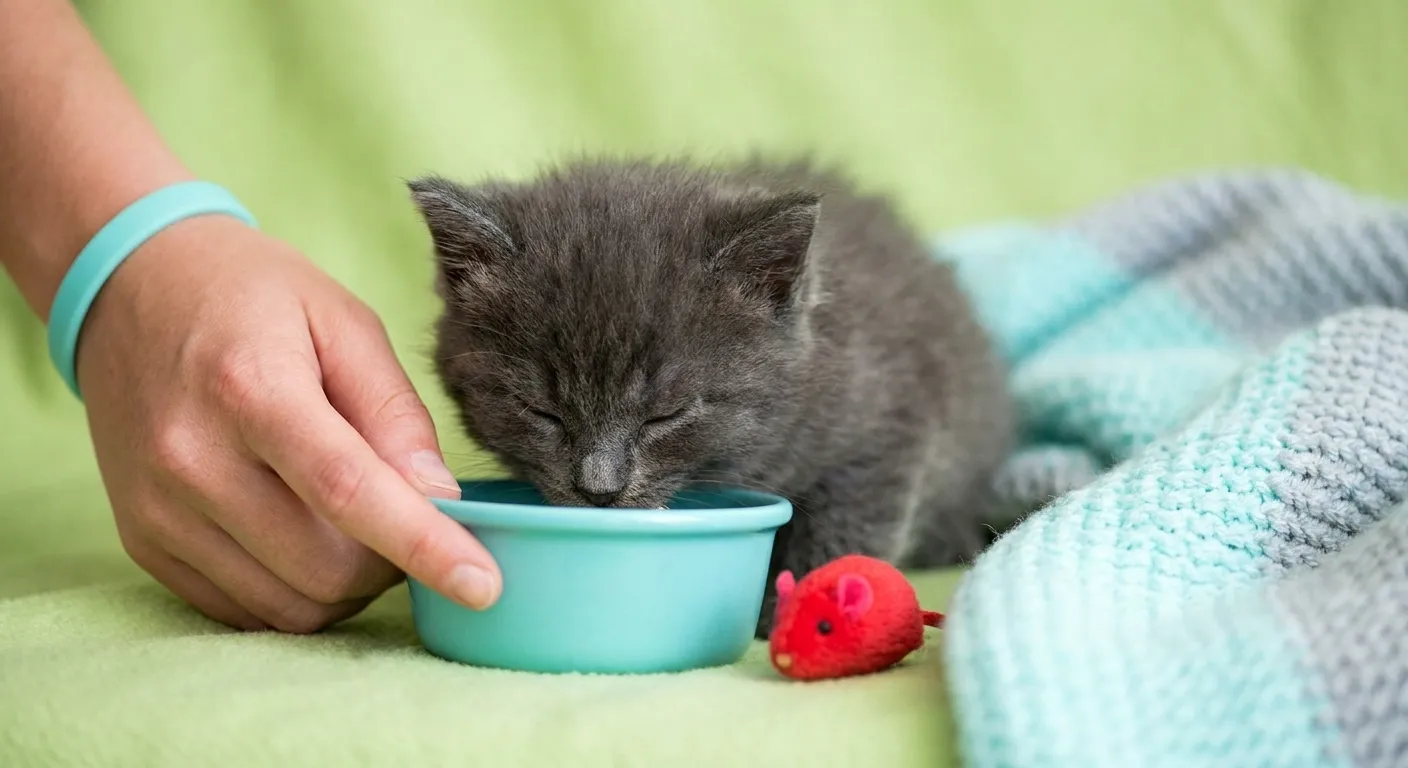
Start by offering a small amount of wet kitten food mixed with kitten formula or water, creating a gruel-like consistency. Gradually thicken the mixture over several days. Encourage your kitten to lap at the mixture from a shallow dish. Patience is crucial during this stage. By 6-8 weeks, most kittens should be fully weaned onto solid food.
For more details on keeping your furball hydrated during this and other stages, visit our guide on Hydration for Kittens: Keeping Your Feline Friend Well-Watered.
Common Feeding Mistakes to Avoid
Even with the best intentions, new kitten owners can sometimes make mistakes. Being aware of these common pitfalls can help you provide the best care.
Overfeeding or Underfeeding
It’s tempting to give extra treats or larger portions, but this can lead to weight issues. Conversely, underfeeding can stunt growth. Always follow the food packaging guidelines and consult your vet if you’re unsure about the right amount for your kitten. Regular weight checks can also help you adjust portions accurately.
Sudden Food Changes
As mentioned, abrupt changes in diet can cause digestive upset. Any food transition, whether to a new brand or type, should always be gradual. This allows your kitten’s digestive system to adapt slowly, preventing diarrhea or vomiting.
Feeding Human Food
Many human foods are toxic to cats, even in small amounts. This includes chocolate, onions, garlic, grapes, and xylitol. Even safe human foods often lack the balanced nutrition kittens need. Stick to commercially prepared kitten food and vet-approved treats. For a comprehensive list of what to avoid, you can refer to resources like the ASPCA’s list of toxic and non-toxic plants for cats, which also includes some food items.
Leaving Food Out Too Long
Wet food especially can spoil quickly, attracting bacteria and flies. Dry food can also go stale. Always dispose of uneaten wet food after 30-60 minutes and refresh dry food daily. Clean food bowls regularly to prevent bacterial growth. Proper hygiene ensures your kitten’s health.
Ensuring Proper Hydration
While often overlooked, adequate water intake is just as vital as food for your kitten’s health. Therefore, always provide fresh, clean water.
Water Bowls and Fountains
Offer multiple water bowls in different locations around your home. Some kittens prefer ceramic or stainless steel bowls, while others are drawn to running water from a pet fountain. Experiment to see what your kitten prefers. Ensure bowls are cleaned daily to prevent bacterial buildup. A constant supply of fresh water is critical for kidney function and overall well-being. Additionally, consider how much moisture their diet provides; kittens on a purely dry food diet will need to drink more water.
Monitoring Your Kitten’s Health and Growth
Regularly observing your kitten’s eating habits, energy levels, and overall condition is essential. These observations can provide early indications of potential health issues.
Weight and Body Condition
Monitor your kitten’s weight weekly during their rapid growth phase. Your veterinarian can help you assess their body condition score, ensuring they are not too thin or too heavy. A healthy kitten should have a slight waist when viewed from above, and you should be able to feel their ribs easily without them being visibly protruding.
Changes in Appetite or Digestion
Any sudden loss of appetite, vomiting, or diarrhea warrants a call to your vet. These symptoms can indicate underlying health problems that require immediate attention. Early detection and treatment are crucial for kitten health. For more information on what to look out for, see our page on Common Kitten Health Issues: What to Watch For.
The Role of Treats
Treats can be a fun part of your kitten’s diet, but they should be given in moderation. They are not a substitute for a balanced meal.
Choosing Healthy Treats
Select treats specifically designed for kittens, ensuring they are small and easy to chew. Look for treats with wholesome ingredients. Furthermore, avoid treats with artificial colors or excessive sugar. Remember, treats should make up no more than 10% of your kitten’s daily caloric intake. This helps prevent nutritional imbalances. Treats can also be useful for Kitten Behavior Training: Gentle Guidance for a Harmonious Home.
Consulting Your Veterinarian
Your veterinarian is your best resource for personalized advice on feeding a new kitten. They can offer guidance tailored to your kitten’s specific breed, age, and health status.
Regular Check-ups
Schedule regular vet visits to ensure your kitten is growing properly and receiving all necessary vaccinations. Your vet can also recommend specific diets for kittens with allergies or other health concerns. These check-ups are vital for lifelong health. For a full schedule, review our Essential Kitten Vet Visits: A Schedule for Lifelong Health.
Conclusion
Feeding a new kitten correctly is one of the most important things you can do to ensure they grow into a healthy, happy adult cat. By understanding their unique nutritional needs, choosing high-quality food, establishing a consistent feeding schedule, and avoiding common mistakes, you’re setting your furry companion up for a lifetime of well-being. Pay close attention to their individual preferences and health, and always consult your veterinarian for personalized guidance. With a little care and attention, you’ll master the art of nourishing your new kitten, watching them thrive and flourish in your loving home. This foundational care contributes immensely to their overall vitality and happiness.
FAQ
What is the best type of food for a growing feline?
The best type of food for a growing feline is a high-quality kitten-specific formula. This can be wet, dry, or a combination, provided it meets AAFCO standards for ‘growth’ or ‘all life stages’. Look for named meat as the first ingredient.
How often should I feed my young cat?
Young cats, especially those under three months, should be fed 4-5 small meals per day. As they grow older, this can gradually decrease to 2-3 meals daily by the time they reach 6-12 months of age. Always check the specific recommendations on your chosen food’s packaging.
Are there any foods I should avoid giving my little furball?
Yes, absolutely. Avoid feeding your little furball human foods like chocolate, onions, garlic, grapes, raisins, and anything containing xylitol. These can be toxic. Stick to commercial kitten food and vet-approved treats to ensure their safety and proper nutrition.
How can I tell if my feline friend is eating enough?
Monitor your feline friend’s weight and body condition. They should be gaining weight consistently, and you should be able to feel their ribs without them being visibly prominent. A healthy, active kitten with a good appetite is usually eating enough. If you have concerns, consult your veterinarian.
When should I transition my kitten from kitten food to adult cat food?
Most kittens are ready to transition from kitten food to adult cat food around 10-12 months of age, though larger breeds might need to stay on kitten food for up to 18 months. Your veterinarian can provide the best guidance based on your kitten’s specific growth and development.