
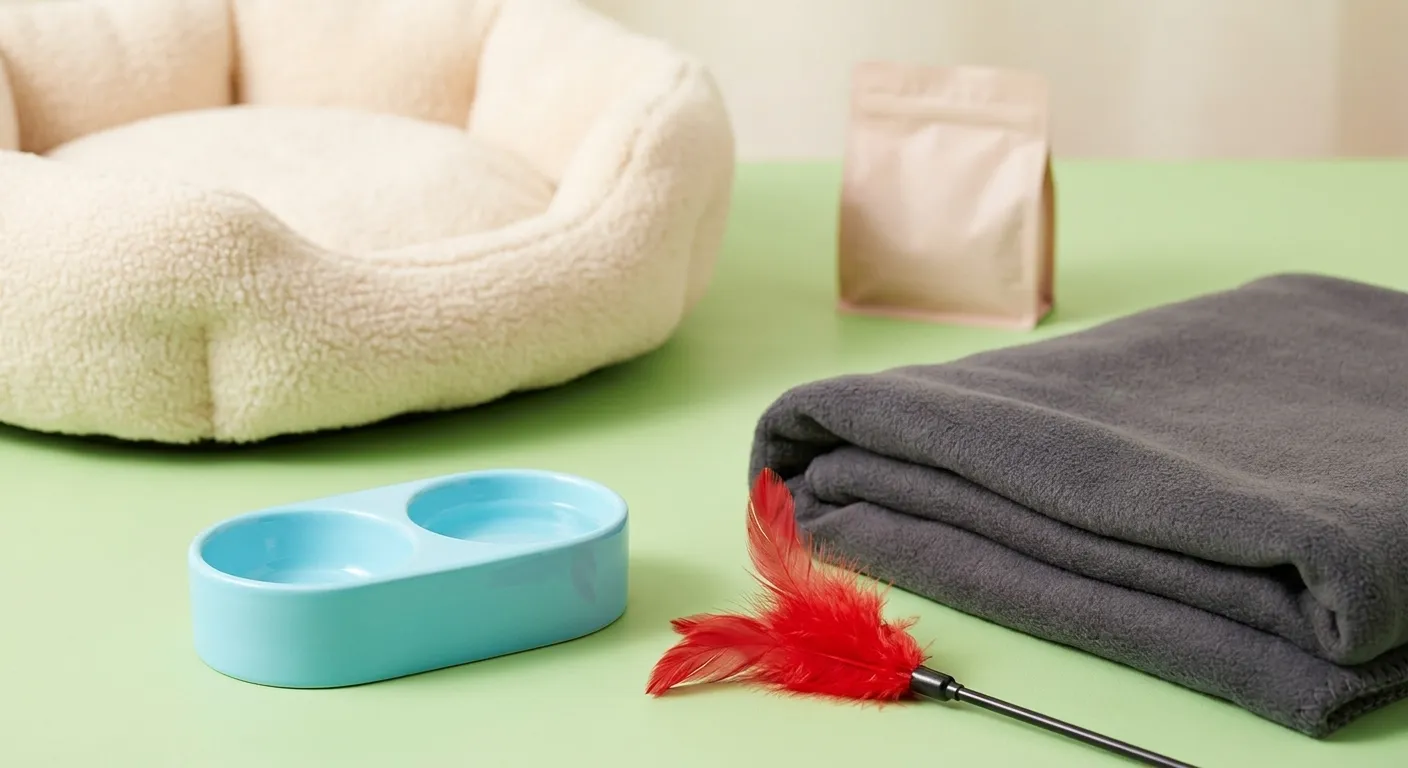
Bringing a new kitten home is an incredibly exciting time, filled with anticipation and joy! To ensure a smooth transition for your tiny new family member, it’s essential to be well-prepared. This guide will walk you through the crucial steps for preparing for a new kitten, helping you create a safe, welcoming, and stimulating environment right from day one. A little planning goes a long way in making your kitten feel secure and loved in their new surroundings.
Essential Supplies: Setting Up Your Kitten’s Sanctuary
Before your kitten even steps paw inside, gather all the necessary supplies. Think of this as building their starter kit for a happy life. Having these items ready will reduce stress for both you and your kitten. Consequently, you will both enjoy the initial days much more. Moreover, a well-stocked home shows your commitment to their well-being.
The Cozy Corner: Bedding and Crate
Every kitten needs a safe space of their own. A soft, washable bed placed in a quiet, low-traffic area is ideal. Consider a carrier or small crate as a designated ‘den’ where they can retreat. Introduce the carrier positively with treats and toys, making it a comfortable haven rather than just a travel container. This den will be their secure base, especially during the first few days. Indeed, a sense of security is vital for their adjustment.
Fueling Growth: Food and Water Bowls
Choose shallow, wide bowls made of ceramic, stainless steel, or glass for food and water. Plastic bowls can harbor bacteria and sometimes cause chin acne. Place them away from the litter box. For food, inquire about what your kitten was eating previously to minimize stomach upset during the transition. Gradual changes are always best. Furthermore, fresh water should always be available.
Playtime Fun: Toys for Development
Kittens are naturally playful! Provide a variety of toys that encourage different types of play: chase toys (like wand toys), puzzle toys for mental stimulation, and soft toys they can bat around. Avoid small items that could be swallowed. Interactive play is crucial for bonding and developing their motor skills. Specifically, interactive toys can prevent boredom and destructive behaviors. Therefore, stock up on a good selection before your kitten arrives.
Potty Protocol: Litter Box and Litter
Select a litter box that is easily accessible for a small kitten – low sides are key. Unscented, dust-free clumping litter is generally preferred by kittens. Place the litter box in a private, easily accessible location, away from food and water bowls. Having multiple litter boxes in different areas, especially in a larger home, can also be beneficial. In fact, many experts recommend one litter box per cat plus one extra. This helps ensure cleanliness and reduces accidents.
Kitten-Proofing Your Home: Safety First
Just like with a human baby, your home needs to be made safe for a curious kitten. Their small size and adventurous spirit mean they can get into tight spots and chew on unexpected items. Consequently, a thorough home inspection is a must. This proactive step is an important part of getting ready for a new feline friend.
Secure Hazardous Items
- Chemicals and Cleaners: Store all household cleaners, medications, and toxic substances in secured, high cabinets. Child locks are a great investment.
- Plants: Many common houseplants are toxic to cats (lilies, sago palms, even some common ferns). Research your existing plants and remove any potential dangers. Opt for pet-safe plants instead.
- Small Objects: Put away small items like rubber bands, hair ties, string, and small toys that could be swallowed. These can cause serious internal blockages.
- Electrical Cords: Secure or cover electrical cords to prevent chewing. Kittens love to chew, and exposed wires are a significant hazard.
Block Off Restricted Areas
Consider blocking off areas that are difficult to kitten-proof or where you don’t want your kitten to go. This might include using baby gates or closing doors to certain rooms. Initially, confining your kitten to one or two rooms can help them adjust without feeling overwhelmed. Gradually, you can introduce them to more of your home. This controlled introduction helps them feel more secure.
The First Few Days: Welcoming Your Kitten Home
The initial days are critical for helping your kitten settle in. Patience and a gentle approach are key during this adjustment period. Remember that everything is new to them, and they might feel a little scared or disoriented.
Arrival Day Strategy
When you first bring your kitten home, take them directly to their designated ‘sanctuary room’ (a quiet room with their bed, litter box, food, and water). Allow them to explore at their own pace. Keep interactions calm and quiet. Avoid overwhelming them with too much attention or loud noises. Similarly, limit visitors during the first few days. A peaceful environment is paramount.
Introducing to Family Members and Other Pets
Introduce family members one at a time, allowing the kitten to approach them. Supervise all interactions, especially with children, teaching them how to handle the kitten gently. If you have other pets, especially other cats or dogs, introductions should be slow and controlled. Use scent swapping first, then supervised visual introductions through a barrier. For more detailed advice, consult resources on integrating new pets.
Establishing a Routine
Kittens thrive on routine. Establish consistent feeding times, playtime sessions, and litter box cleaning. This predictability helps them feel secure and understand what to expect. A regular schedule also aids in potty training and behavior management. For instance, feeding them at the same time each day helps regulate their digestion.
Health and Wellness: Essential Vet Visits and Care
A healthy kitten is a happy kitten. Prioritizing their health from day one is fundamental to their long-term well-being. Therefore, a visit to the veterinarian should be one of your first priorities.
First Vet Check-Up
Schedule a vet appointment within the first few days of bringing your kitten home. The vet will perform a full physical exam, check for parasites, and discuss vaccinations, deworming, and flea prevention. This initial visit is also a great opportunity to ask any questions you have about your kitten’s health and care. For example, inquire about the best diet for their specific needs.
Vaccinations and Parasite Control
Kittens require a series of vaccinations to protect them from common feline diseases. Your vet will outline a vaccination schedule. Furthermore, regular deworming and flea/tick prevention are crucial, especially for young kittens. Discuss these preventative measures thoroughly with your veterinarian. They will recommend the best course of action.
Spaying/Neutering
Discuss the appropriate age for spaying or neutering with your vet. This routine procedure offers numerous health and behavioral benefits, including preventing unwanted litters and reducing the risk of certain cancers. It is a responsible part of pet ownership. Many shelters require this procedure for adoption.
Training and Socialization: Building a Well-Adjusted Companion
Early training and socialization are vital for raising a well-behaved and confident cat. These efforts will strengthen your bond and ensure your kitten grows into a well-adjusted adult. Consequently, start early and be consistent.
Litter Training Basics
Most kittens naturally take to using a litter box. Show your kitten where the litter box is as soon as they arrive. Place them in it gently after waking up and after meals. Reward them with praise and treats when they use it correctly. Clean the litter box frequently to encourage use. A clean box is more appealing to a kitten.
Positive Reinforcement
Use positive reinforcement for all training. Reward desired behaviors with treats, praise, and gentle petting. Avoid punishment, which can make your kitten fearful and damage your bond. For example, if your kitten scratches furniture, redirect them to a scratching post and reward them for using it. This is far more effective than scolding.
Socialization with People and Environment
Expose your kitten to a variety of sights, sounds, and gentle handling experiences from a young age. This helps them become comfortable and confident. Introduce them to different people, but always supervise to ensure positive interactions. Early socialization prevents fear and anxiety later in life. A well-socialized kitten is a joy to be around.
Ongoing Care: Nurturing Your Kitten’s Future
Preparing for a new kitten extends beyond the initial setup. Ongoing care ensures their continued health and happiness. Indeed, this commitment lasts for their entire life.
Nutrition and Diet
Feed your kitten high-quality kitten food appropriate for their age and growth stage. Follow feeding guidelines on the package or consult your vet for specific recommendations. Kittens have unique nutritional needs for proper development. Avoid feeding adult cat food, which lacks the necessary nutrients for growth. A balanced diet is essential.
Grooming Essentials
Start grooming your kitten early to get them accustomed to it. Regular brushing helps prevent mats and reduces shedding. Introduce nail trims gently, rewarding them for cooperation. Some kittens may also need occasional baths, though most cats are self-groomers. Consistent grooming fosters good habits. Furthermore, it allows you to check for any skin issues or parasites.
Exercise and Mental Stimulation
Provide plenty of opportunities for play and exercise. Interactive playtime with you is crucial for physical and mental health. Invest in various toys, including interactive toys and catnip toys. Consider cat trees, scratching posts, and window perches to enrich their environment. For instance, a tall cat tree offers both exercise and a secure vantage point. A stimulated kitten is a happy kitten.
Long-Term Health Monitoring
Continue regular vet check-ups throughout your kitten’s life. Be observant for any changes in behavior, appetite, or litter box habits, as these can be signs of illness. Early detection often leads to more successful treatment. Your veterinarian is your best partner in maintaining your kitten’s long-term health. For example, annual check-ups are vital for preventive care.
Conclusion
Bringing a new kitten into your home is a wonderful journey that starts with thorough preparation. By carefully considering all the aspects of preparing for a new kitten, from essential supplies to kitten-proofing and ongoing care, you are laying the groundwork for a happy, healthy, and loving relationship. Remember, patience, consistency, and plenty of love are the most important ingredients. Enjoy every moment with your adorable new companion!
For more insights and tips on pet care, visit our Blog. We also encourage you to read our Affiliate Disclaimer regarding product recommendations. For more information on pet safety and care, you can also consult resources like the ASPCA’s general cat care guide or the Humane Society’s cat care resources.
FAQ
What are the first things I should buy for a kitten?
Before your kitten arrives, you should acquire essential items such as a litter box and litter, food and water bowls, high-quality kitten food, a cozy bed, some engaging toys, and a safe carrier for transport. These items ensure a comfortable and secure start for your new feline friend.
How do I make my home safe for a new cat?
Making your home safe involves securing hazardous items like chemicals and toxic plants, covering electrical cords, and putting away small objects that could be swallowed. Additionally, consider blocking off areas you don’t want your new cat to access. A thorough inspection at a kitten’s eye level can reveal potential dangers.
What should I expect during the first few days with a kitten?
During the first few days, your kitten might be shy or overwhelmed. Provide a quiet, secure space with all their necessities. Limit visitors and loud noises. Focus on gentle interactions and establishing a consistent routine for feeding, playtime, and litter box use. Patience is key as they adjust to their new environment.
When should I take my kitten to the vet for the first time?
You should schedule your kitten’s first vet appointment within the first few days of bringing them home. This visit is crucial for a health check-up, initial vaccinations, deworming, and discussing parasite prevention. It’s also an excellent opportunity to ask any questions about their health and diet.
How can I help my new cat socialize with other pets?
Introducing a new cat to existing pets requires a slow and gradual approach. Start with scent swapping, allowing them to get used to each other’s smell without direct contact. Gradually move to supervised visual introductions through a barrier, rewarding calm behavior. Always ensure each pet has a safe retreat. Professional guidance can also be beneficial for smooth introductions.