Bringing a new kitten into your home is a joyous occasion, but it also comes with the responsibility of ensuring their well-being. For every new kitten parent, recognizing kitten health issues is a vital skill that can make a significant difference in their pet’s well-being. Kittens are delicate creatures, and they can become ill quickly, making early detection and prompt veterinary care absolutely critical. At Kitten Care Basics, we empower you with the knowledge to spot potential problems, helping you keep your little one healthy and happy.
The Importance of Daily Observation for Early Detection
The first step in spotting unwell kittens is to establish a baseline of what’s normal for your kitten. Spend time observing their daily habits: how they eat, drink, play, sleep, and use the litter box. Any deviation from this normal behavior could be a subtle sign that something is amiss. Trust your instincts; if something feels off, it’s worth investigating. Furthermore, consistent observation helps you bond with your kitten and understand their unique personality. This daily routine is crucial for understanding your kitten’s normal state, thereby making early detection of any changes much easier.
Key Areas for Recognizing Kitten Health Issues
Knowing what to look for can help you identify common kitten ailments before they become severe. We’ll explore several important categories to focus on.
1. Changes in Appetite and Thirst
- Decreased Appetite/Refusal to Eat: A kitten refusing food, even their favorite treat, is a significant red flag. This can indicate pain, nausea, or a more serious underlying illness. Kittens need constant nutrition to grow. Therefore, a sudden loss of appetite should never be ignored.
- Increased Thirst/Urination: While less common in very young kittens, excessive thirst and frequent urination can be a sign of kidney issues, diabetes (rare in kittens), or other metabolic problems. If you notice your kitten drinking much more than usual, consult your vet. For more information on fluid intake, see our guide on Hydration for Kittens: Keeping Your Feline Friend Well-Watered.
- Vomiting: Occasional hairballs are normal for adult cats, but frequent or severe vomiting in a kitten, especially with lethargy, warrants immediate veterinary attention. It could be due to dietary indiscretion, parasites, or viral infections. In fact, persistent vomiting can quickly lead to dehydration in young kittens.
2. Changes in Energy and Behavior
- Lethargy/Decreased Activity: A normally playful kitten becoming unusually quiet, sleeping more than usual, or showing no interest in play is a strong indicator of illness. This is one of the most common feline health warning signs. Moreover, a sudden drop in energy often accompanies many different health problems.
- Hiding: While some shyness is normal initially, a kitten that constantly hides, especially if they were previously outgoing, might be feeling unwell or in pain. A change in hiding behavior can signal discomfort or fear.
- Irritability/Aggression: A sudden change in temperament, such as hissing or swatting when handled, could indicate pain or discomfort. Similarly, a kitten that usually enjoys cuddles but suddenly becomes defensive might be trying to communicate pain. This is also important when considering Kitten Behavior Training: Gentle Guidance for a Harmonious Home.
3. Physical Symptoms to Watch For
- Eyes and Nose: Look for discharge (clear, yellow, or green), redness, swelling, or squinting. Clear eyes and a slightly damp, clean nose are signs of health. Any cloudy appearance or persistent tearing should be checked by a vet.
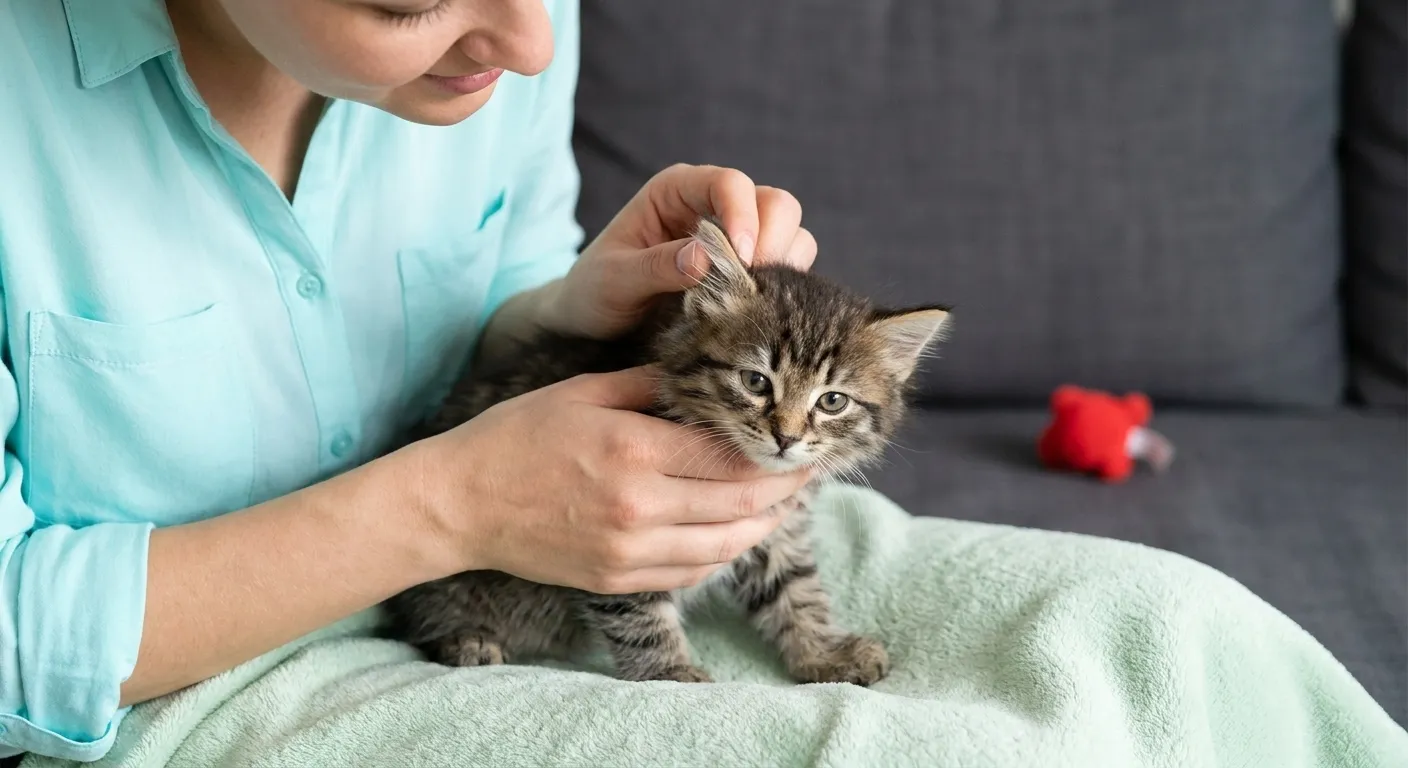
- Ears: Check for redness, swelling, discharge (waxy, dark, or foul-smelling), or excessive scratching/shaking of the head, which can indicate ear mites or infections. Furthermore, pay attention to any strong odors emanating from the ears.
- Gums: Healthy kitten gums are pink. Pale, white, or yellowish gums can indicate anemia, dehydration, or liver issues. Gently lift your kitten’s lip to check their gum color regularly.
Digestive Concerns: What to Monitor
A kitten’s digestive system is particularly sensitive. Consequently, changes in their stool can provide crucial clues about their health. New owners should regularly check the litter box.
- Diarrhea: Loose or watery stools are a common concern in kittens. They can be caused by dietary changes, parasites, bacterial infections, or viral diseases. Persistent diarrhea can lead to rapid dehydration and weakness, which is dangerous for young kittens.
- Constipation: Straining to defecate or producing very hard, dry stools indicates constipation. This might be due to dehydration, a lack of fiber, or even an obstruction. If your kitten hasn’t passed stool in over 24-36 hours, it’s time to contact your vet.
- Blood or Mucus in Stool: Any visible blood (bright red or dark, tarry) or excessive mucus in the stool is a serious sign and requires immediate veterinary attention. This often indicates inflammation or internal bleeding.
Understanding these digestive warning signs is a key part of recognizing kitten health issues. For tips on managing their toilet habits, refer to our guide on Litter Box Training for Kittens: A Clean Start.
Respiratory Distress: Signs to Never Ignore
Respiratory problems can quickly become life-threatening for kittens. Therefore, it’s vital to recognize the signs of difficulty breathing.
- Coughing or Sneezing: Occasional sneezes are normal, but frequent or severe coughing and sneezing, especially with nasal discharge, could indicate an upper respiratory infection.
- Difficulty Breathing: Open-mouth breathing, rapid shallow breaths, wheezing, or labored breathing are all emergencies. Your kitten’s chest and abdomen might heave noticeably.
- Blue-tinged Gums: If your kitten’s gums or tongue appear bluish or purplish, this is a sign of oxygen deprivation and requires immediate emergency veterinary care. This is a critical indicator of severe respiratory distress.
Skin and Coat Health: External Indicators
Your kitten’s skin and coat can offer insights into their overall health. A healthy kitten typically has a soft, shiny coat and clear skin.
- Dull or Patchy Coat: A coat that looks dull, greasy, or has bald patches can suggest poor nutrition, parasites (like fleas or ringworm), or an underlying illness.
- Excessive Scratching or Licking: Constant scratching, licking, or biting at the skin indicates irritation. Common causes include fleas, mites, allergies, or fungal infections.
- Lumps or Bumps: While not all lumps are serious, any new or growing lumps, bumps, or sores on your kitten’s skin should be examined by a veterinarian.
When to Seek Veterinary Care
Prompt veterinary attention is crucial when recognizing kitten health issues. It’s always better to be safe than sorry when it comes to your kitten’s well-being. If you observe any of the severe symptoms mentioned above, such as persistent vomiting, severe lethargy, difficulty breathing, or pale gums, do not hesitate to contact your veterinarian immediately. Even subtle changes, if they persist for more than a day or two, warrant a call to your vet. They can provide professional guidance and determine if an in-person examination is necessary. Remember, early intervention often leads to better outcomes for your kitten.
For routine health maintenance, understanding the schedule for Essential Kitten Vet Visits: A Schedule for Lifelong Health is also very important.
Preventative Measures for a Healthy Kitten
While recognizing kitten health issues is important, prevention is always the best approach. There are several steps you can take to keep your kitten healthy and reduce the risk of illness.
- Proper Nutrition: Provide a high-quality kitten-specific diet that meets all their nutritional needs. Consult our guide on Kitten Nutrition: What to Feed Your Growing Feline for expert advice.
- Regular Veterinary Check-ups: Stick to your kitten’s vaccination and deworming schedule. Regular vet visits help catch potential issues early and keep your kitten protected. More information can be found at the American Veterinary Medical Association website.
- Clean Environment: Keep your kitten’s living area, litter box, and food/water bowls clean. A hygienic environment reduces the spread of bacteria and parasites.
- Parasite Control: Discuss flea, tick, and heartworm prevention with your veterinarian. Consistent parasite control is vital for overall health.
- Stress Reduction: Provide a safe, comfortable, and stimulating environment. Minimize stressors, especially during the initial transition period. A calm kitten is generally a healthier kitten.
- Observation and Play: Continue daily observation and engage in regular playtime. This not only strengthens your bond but also allows you to notice any changes in behavior or physical condition quickly.
By implementing these preventative measures, you are actively working to safeguard your kitten’s health and minimize the chances of encountering serious health problems. Being proactive is a significant part of responsible pet ownership.
Common Kitten Ailments and Their Recognition
While a vet diagnosis is always necessary, understanding some common kitten ailments can help you better communicate with your vet and feel more prepared when recognizing kitten health issues.
- Upper Respiratory Infections (URIs): Often caused by viruses (like Feline Herpesvirus or Calicivirus), URIs present with sneezing, nasal discharge, watery eyes, and sometimes fever and lethargy. They are highly contagious.
- Parasites (Worms, Fleas, Mites): Intestinal worms can cause a pot-bellied appearance, diarrhea, or vomiting. Fleas lead to intense scratching and can cause anemia in severe infestations. Ear mites cause dark, waxy discharge and head shaking.
- Feline Panleukopenia (FPL): This highly contagious and often fatal viral disease causes severe vomiting, diarrhea, lethargy, and fever. Vaccination is crucial for prevention. More details are available from the Cornell Feline Health Center.
- Fungal Infections (Ringworm): Despite its name, ringworm is a fungal infection that causes circular patches of hair loss, scaly skin, and redness. It is contagious to humans and other pets.
Being aware of these common problems helps in the early detection and management of kitten health concerns. Always consult your vet for an accurate diagnosis and treatment plan.
Conclusion: Empowering New Kitten Owners
As a new kitten owner, the journey of care can feel overwhelming at times. However, by understanding the importance of daily observation and knowing what specific signs to look for, you become an empowered advocate for your kitten’s health. Recognizing kitten health issues early is not just about identifying problems; it’s about providing your beloved companion with the best possible chance for a long, healthy, and happy life. At Kitten Care Basics, we are committed to equipping you with the fundamental knowledge needed to navigate these responsibilities with confidence. Always remember that your veterinarian is your most valuable partner in maintaining your kitten’s well-being. Don’t hesitate to reach out to them with any concerns, big or small. Your attentiveness makes all the difference.
FAQ
What are the most common signs of an unwell kitten?
The most common signs include changes in appetite or thirst, decreased energy or lethargy, vomiting or diarrhea, and noticeable changes in their breathing or behavior. Any deviation from their normal routine should be observed closely.
How often should I check my kitten for signs of illness?
You should observe your kitten daily. Pay attention during feeding times, playtime, and when they use the litter box. A quick visual check of their eyes, nose, and gums can also be done routinely.
When should I contact a veterinarian about my kitten’s health?
Contact your veterinarian immediately if you notice severe symptoms like persistent vomiting or diarrhea, extreme lethargy, difficulty breathing, pale gums, or if your kitten completely stops eating. For less severe but persistent changes (over 24-48 hours), a call to the vet is also advisable.
Can diet affect my kitten’s health and lead to issues?
Absolutely. A poor diet can lead to various health problems, including digestive upset, dull coat, and weakened immunity. Providing high-quality, kitten-specific food is crucial for their growth and overall health.
Are there any specific behaviors that indicate a kitten is in pain?
Yes, behaviors such as hiding, irritability or aggression when touched, excessive licking of a particular area, limping, or a hunched posture can all indicate that your kitten is experiencing pain. Seek veterinary advice if you suspect pain.