As a new kitten owner, every purr, pounce, and nap is a source of joy. However, with that joy comes the responsibility of ensuring your little one is healthy and thriving. Kittens, especially very young ones, can be incredibly fragile. Subtle changes in their behavior or appearance can sometimes indicate a health issue. Knowing what to look for—and more importantly, what’s normal—is empowering. This guide focuses on recognizing kitten health signs, helping you identify potential concerns early so you can seek veterinary care promptly and keep your feline friend happy and well.
The Healthy Kitten: What to Expect
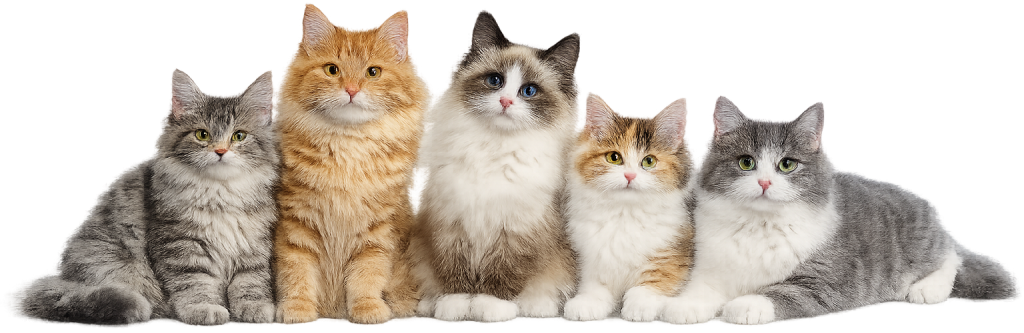
Before we delve into warning signs, let’s establish a baseline for a healthy kitten. A healthy kitten is typically:
- Active and playful: They have bursts of energy, enjoy playing, and explore their surroundings with curiosity.
- Alert and responsive: Their eyes are bright, and they react to sounds and movements.
- Good appetite and thirst: They eat their meals enthusiastically and drink water regularly. For more on this, consider our guide on Hydration for Kittens: Keeping Your Feline Friend Well-Watered.
- Clean and shiny coat: Their fur is soft, free of tangles, and has a natural sheen. Moreover, their skin should be clear, without redness or flaking.
- Clear eyes and nose: No discharge, redness, or excessive tearing.
- Clean ears: Free of dirt, wax buildup, or odor.
- Regular litter box habits: Consistent urination and well-formed stools (not too hard, not too soft). Our article on Litter Box Training for Kittens: A Clean Start offers helpful tips.
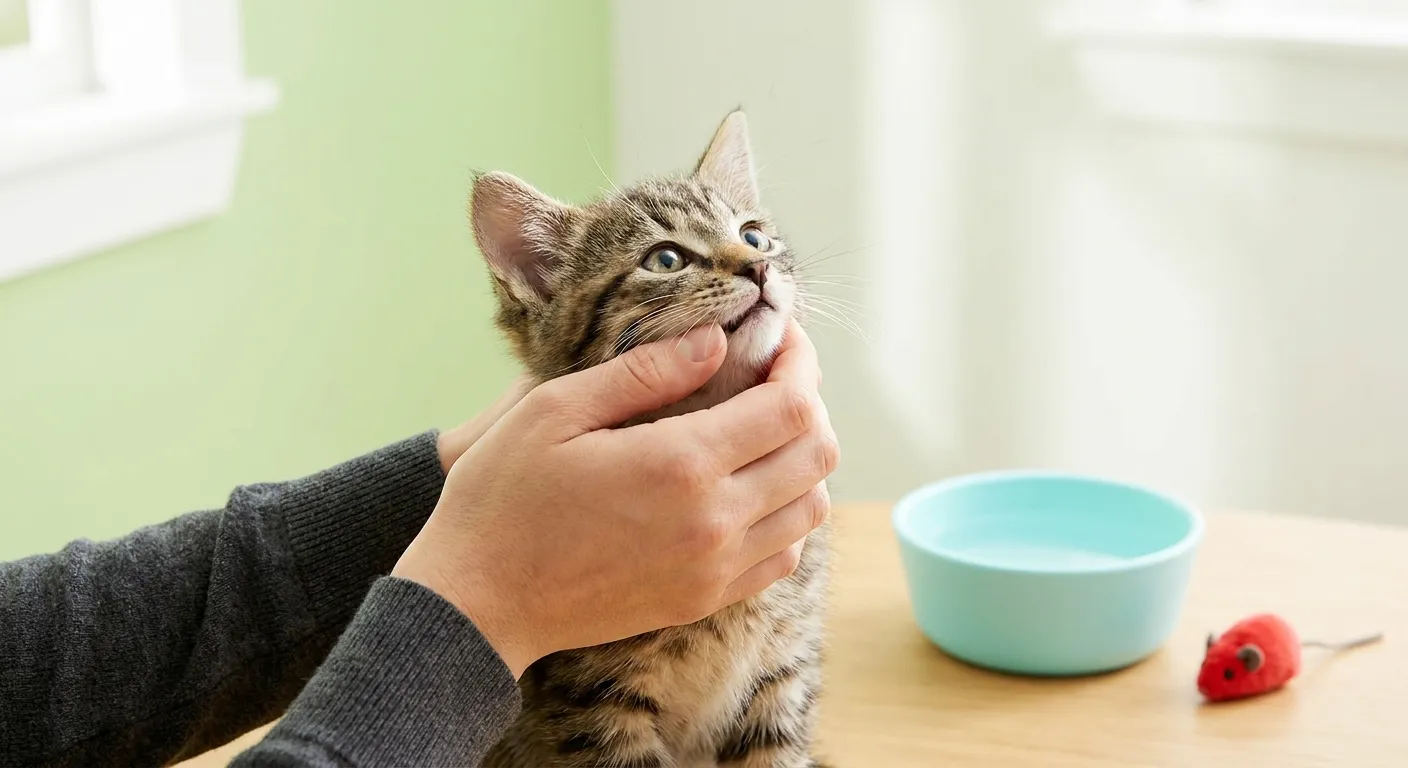
- Normal body temperature: Warm to the touch, but not excessively hot or cold. Gums should be pink.
Key Signs That Something Might Be Wrong: Recognizing Kitten Health Signs
Even with the best care, kittens can sometimes face health challenges. Being vigilant about recognizing kitten health signs is your first line of defense. Indeed, early detection can make a significant difference in treatment outcomes.
1. Changes in Appetite or Thirst
A kitten’s eating and drinking habits are crucial indicators of their well-being. Therefore, any deviation warrants attention.
- Refusing to eat or drink: A kitten skipping meals or showing no interest in water is a significant red flag. Kittens can dehydrate quickly, which is very dangerous.
- Excessive thirst: Drinking much more than usual could indicate underlying issues like kidney problems or diabetes (though less common in very young kittens).
2. Digestive Issues
Digestive problems are common in kittens but can quickly become serious. Consequently, observe their stool and any vomiting closely.
- Vomiting: Occasional hairballs might be normal for older cats, but frequent or severe vomiting in a kitten is concerning. Specifically, look for blood or foreign objects.
- Diarrhea: Loose, watery, or bloody stools are serious, especially if accompanied by lethargy. This can lead to rapid dehydration.
- Constipation: Straining in the litter box or producing very hard, dry stools indicates constipation.
3. Respiratory Problems
Respiratory symptoms can range from mild to severe. In fact, prompt action is often required.
- Coughing or sneezing: While a single sneeze might be harmless, persistent coughing, sneezing, or nasal discharge could indicate an upper respiratory infection.
- Difficulty breathing: Open-mouth breathing, rapid shallow breaths, or wheezing are emergencies. Seek veterinary care immediately.
4. Changes in Energy or Behavior
A kitten’s energy level is a strong indicator of its health. Hence, any significant change should be noted.
- Lethargy or weakness: A kitten that is unusually quiet, doesn’t want to play, or struggles to move is a cause for concern.
- Hiding or withdrawal: While some kittens are naturally shy, a sudden change to hiding or avoiding interaction can signal illness or pain.
- Aggression or irritability: Uncharacteristic growling, hissing, or biting might indicate pain or discomfort.
5. Eye and Ear Issues
Eyes and ears should be clean and clear. Any discharge or inflammation is a sign to investigate.
- Redness or discharge from eyes: This could indicate conjunctivitis or another eye infection.
- Squinting or pawing at eyes: These actions suggest irritation or pain.
- Excessive ear scratching or head shaking: These are common signs of ear mites or infections. Furthermore, look for dark, waxy discharge or a foul odor.
6. Skin and Coat Problems
A healthy coat reflects overall health. Therefore, inspect your kitten’s fur and skin regularly.
- Dull, greasy, or patchy fur: This can indicate poor nutrition, parasites, or underlying skin conditions.
- Excessive scratching, licking, or biting: These behaviors often point to fleas, ticks, allergies, or skin irritations.
- Lumps, bumps, or sores: Any unusual growths or open wounds should be examined by a vet.
7. Urination Changes
Litter box habits provide valuable clues about urinary health. For example, changes in frequency or difficulty can signal a problem.
- Straining to urinate: This is a serious sign of a potential urinary blockage, especially in male kittens, and requires immediate veterinary attention.
- Urinating outside the litter box: While sometimes behavioral, it can also indicate a urinary tract infection or other medical issues.
- Blood in urine: This is always a cause for concern and needs prompt veterinary assessment.
When to Contact Your Veterinarian
Recognizing kitten health signs is the first step; knowing when to act is equally vital. If you observe any of the concerning signs mentioned, it’s always best to err on the side of caution and contact your veterinarian. They are best equipped to diagnose and treat your kitten. Additionally, for a comprehensive overview of potential illnesses, consult our article on Common Kitten Health Issues: What to Watch For.
Moreover, certain situations warrant immediate emergency care:
- Difficulty breathing or open-mouth breathing.
- Severe or persistent vomiting or diarrhea, especially with blood.
- Inability to urinate or straining excessively.
- Collapse, severe lethargy, or unresponsiveness.
- Seizures.
- Any suspected poisoning or ingestion of a foreign object.
- High fever (above 102.5°F or 39.2°C) or low body temperature (below 99.5°F or 37.5°C).
Remember, kittens are fragile creatures. Their small size means they can become critically ill very quickly. Therefore, don’t delay if you suspect a serious problem. For more information on general kitten care, the ASPCA website offers valuable resources.
Preventative Care: A Foundation for Health
While recognizing kitten health signs is essential, preventative care plays a crucial role in maintaining your kitten’s overall health. Regular veterinary check-ups are paramount. For instance, ensure your kitten receives all necessary vaccinations and deworming treatments. You can find a detailed schedule in our guide to Essential Kitten Vet Visits: A Schedule for Lifelong Health.
Furthermore, a balanced diet is fundamental. Provide high-quality kitten food appropriate for their age and growth stage. Likewise, ensure they always have access to fresh water. Proper nutrition supports a strong immune system, helping your kitten ward off illness. The American Animal Hospital Association (AAHA) provides excellent pet health information.
Good hygiene also contributes to preventing health issues. Keep their litter box clean, groom them regularly, and provide a safe, stimulating environment. This includes regular grooming, which you can learn about in Kitten Grooming Essentials: A Gentle Guide to Daily Care. Moreover, regular play and interaction foster mental and physical well-being. Consequently, a happy kitten is often a healthy kitten.
Observation and Record-Keeping
As a new owner, becoming attuned to your kitten’s normal routines and behaviors is key. Consider keeping a small journal or notes on your phone. Documenting when your kitten eats, drinks, uses the litter box, and their general energy levels can be incredibly helpful. For example, if you notice a change, having these records can provide valuable context for your veterinarian.
Observing your kitten daily allows you to notice subtle shifts. For instance, a slight decrease in playfulness might not seem significant on its own. However, if combined with a slightly reduced appetite and a softer stool, it paints a clearer picture for your vet when you are recognizing kitten health signs. This proactive approach supports their ongoing health.
Conclusion
Recognizing kitten health signs is a vital skill for every new kitten owner. By understanding what constitutes a healthy kitten and being aware of the key indicators of illness, you can ensure your furry companion receives timely care when needed. Always remember that early intervention can significantly improve outcomes. Trust your instincts; if something feels off, contact your veterinarian. Your vigilance and love will help your kitten grow into a healthy, happy adult cat. We at KittenCareBasics.com are here to support you every step of the way on your kitten care journey.
FAQ
What are the first indicators of a sick kitten?
The first indicators often include changes in appetite or thirst, unusual lethargy, vomiting, diarrhea, or difficulty breathing. Any sudden shift from their normal playful behavior should prompt closer observation.
How can I tell if my kitten has a fever?
While you can’t accurately take a kitten’s temperature without a rectal thermometer, signs of a fever might include lethargy, loss of appetite, shivering, and warm ears or nose. A veterinarian can confirm a fever with a proper reading.
Should I be worried if my kitten sneezes a lot?
Occasional sneezing is normal, but frequent or persistent sneezing, especially if accompanied by nasal discharge, watery eyes, or coughing, could indicate an upper respiratory infection. It’s best to consult your vet if symptoms persist.
What do healthy kitten gums look like?
Healthy kitten gums should be a light pink color. Pressing gently on the gums should cause the color to blanch (turn white) briefly, then return to pink within 1-2 seconds. Pale, blue, or very dark red gums can indicate a problem.
When should I take my kitten to the vet for digestive issues?
You should take your kitten to the vet for digestive issues if they experience severe or bloody diarrhea, persistent vomiting, straining to defecate or urinate, or if these symptoms are accompanied by lethargy, weakness, or loss of appetite. Kittens can dehydrate very quickly.