Bringing your new kitten home is just the beginning of a wonderful journey. One of the most important first steps you’ll take is scheduling their first vet visit kitten. This initial check-up is crucial for establishing a baseline of health, starting their vaccination schedule, and addressing any immediate concerns you might have. It’s an opportunity to build a relationship with a trusted veterinary team who will support your kitten’s health for years to come. Therefore, understanding this process is essential for every new owner.
Why the First Vet Visit is So Important
Many new owners might wonder why a vet visit is needed so soon, especially if their kitten seems healthy. However, early veterinary care is vital for several reasons. For instance, kittens are delicate and can hide signs of illness.
- Health Assessment: The veterinarian will perform a thorough physical examination. They will check their eyes, ears, teeth, coat, heart, and lungs. This helps to look for any signs of congenital issues or early health problems.
- Parasite Screening: Kittens are highly susceptible to internal and external parasites, such as fleas, ticks, and worms. A fecal test will check for intestinal parasites, and the vet can recommend appropriate deworming and flea prevention.
- Vaccination Schedule: Your kitten needs a series of vaccinations to protect them from common, serious feline diseases. These include Feline Distemper (Panleukopenia), Feline Viral Rhinotracheitis, Calicivirus (often combined as FVRCP), and Rabies. The vet will outline the specific schedule. You can learn more about this by visiting our guide on Essential Kitten Vet Visits: A Schedule for Lifelong Health.
- Microchipping Discussion: This is an excellent time to discuss microchipping. This procedure vastly increases the chances of being reunited if your kitten ever gets lost.
- Nutrition and Care Advice: Your vet can offer tailored advice on kitten nutrition, litter box habits, grooming, and behavior. This helps you navigate the early stages of kitten ownership.
How to Prepare for Your Kitten’s First Vet Visit
Preparation can make the experience less stressful for both you and your kitten. Consequently, a little planning goes a long way. Here’s what you can do:
Gather Essential Information
Before your appointment, collect as much information as possible about your kitten’s background. Specifically, this helps your veterinarian understand their history. In addition, it allows them to provide the best care.
- Medical History: If available, bring any records from the breeder or shelter. This includes previous vaccinations, deworming dates, and birth date.
- Diet: Note what food your kitten has been eating. Include the brand, type, how much, and how often. Knowing their current diet is very important for discussing Kitten Nutrition: What to Feed Your Growing Feline.
- Behavioral Observations: Jot down any unusual behaviors, changes in appetite or litter box habits, or any concerns you have. This could include sudden lethargy or excessive meowing.
- Stool Sample: Bring a fresh stool sample, ideally collected within 12 hours. This is crucial for parasite testing.
Acclimate Your Kitten to the Carrier
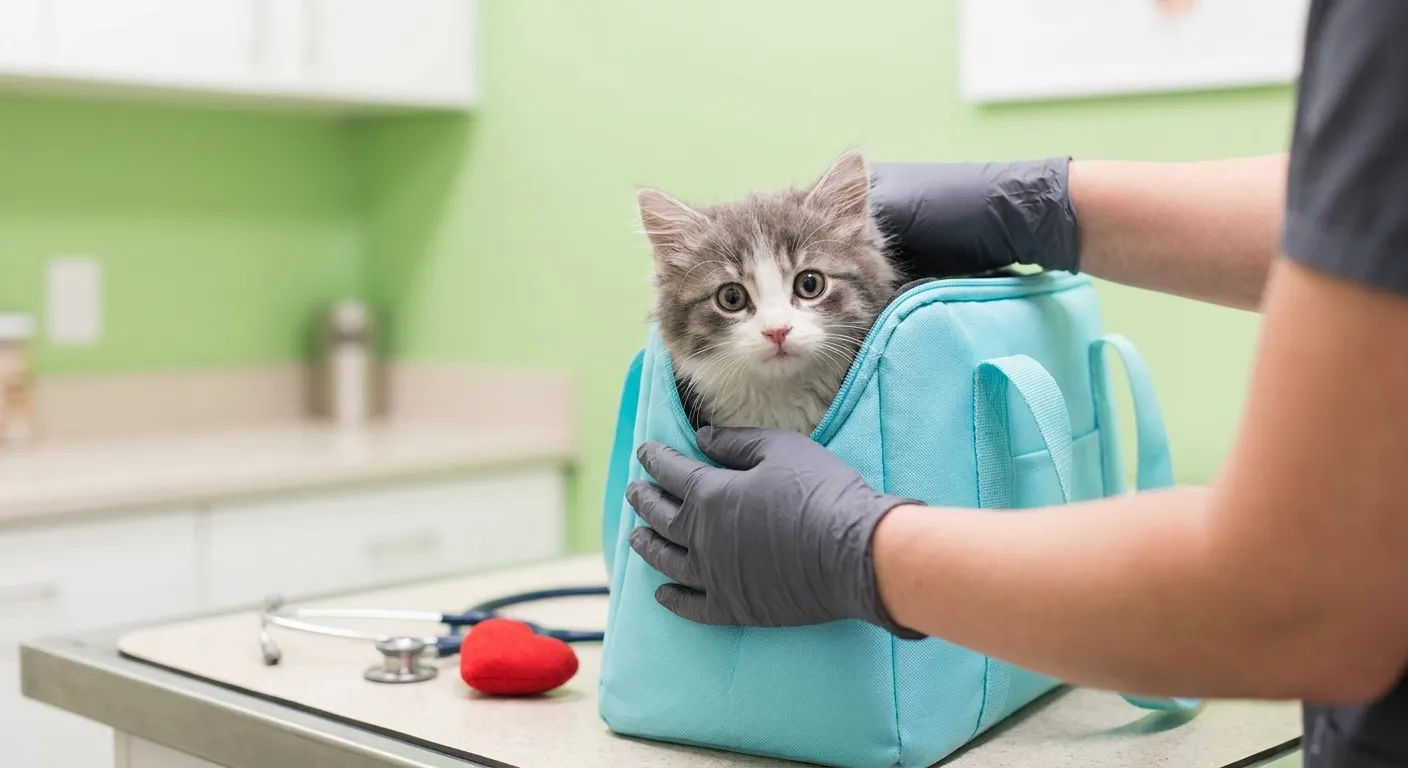
The carrier can be a source of stress for many felines. Therefore, starting familiarization days before the visit is beneficial. This makes the journey to their first veterinary appointment much smoother.
- Leave the carrier open in a common area with a soft blanket and toys inside. This helps your kitten view it as a safe space.
- Place treats or food inside to encourage positive associations. For example, you could feed them a small meal near or inside the carrier.
- Practice short trips in the carrier around the house or in the car. This desensitizes them to the motion and confinement.
Questions to Ask Your Veterinarian
Don’t be afraid to ask questions during your kitten’s initial veterinary consultation. This is your chance to get expert advice. Moreover, it ensures you feel confident about their care.
- What is the recommended vaccination schedule for my kitten?
- What are the best options for flea, tick, and worm prevention?
- What type of food do you recommend for my kitten’s age and breed?
- When should my kitten be spayed or neutered?
- What are common signs of illness I should watch for? You can also refer to our guide on Common Kitten Health Issues: What to Watch For.
- Do you recommend microchipping? If so, what is the process?
- What is the ideal weight for my kitten?
- How often should I bring my kitten in for routine check-ups?
- Can you provide guidance on Kitten Behavior Training: Gentle Guidance for a Harmonious Home?
What to Expect During the Examination
Understanding the process can ease your mind. During your kitten’s first veterinary visit, the veterinarian will conduct a thorough examination. This typically involves several key steps. Rest assured, the team is there to make your kitten comfortable.
The Physical Exam
The vet will perform a head-to-tail check. This includes looking at their eyes for clarity and discharge, and checking their ears for mites or infections. They will also examine your kitten’s mouth for developing teeth and gum health. Furthermore, the vet will listen to their heart and lungs using a stethoscope to detect any abnormalities. They will palpate their abdomen to check for tenderness or organ enlargement. Finally, they will assess your kitten’s coat and skin for fleas, ticks, or other skin conditions. This comprehensive check-up is a fundamental part of a kitten’s first medical check-up.
Vaccinations and Parasite Control
Based on your kitten’s age and health, the vet will administer the first set of necessary vaccinations. These protect against serious diseases. Additionally, they will discuss parasite control. This often includes deworming medication and recommendations for flea and tick prevention. They might also discuss a preventative for heartworm, depending on your location. The veterinarian will explain the importance of each vaccine and preventative medicine. They will also outline the schedule for follow-up doses. This ensures your kitten receives full protection.
Discussion on Nutrition and Behavior
Your vet is a great resource for personalized advice. During this initial kitten check-up, they will discuss appropriate nutrition for your growing kitten. This includes food types, feeding schedules, and portion sizes. They can also offer guidance on common behavioral topics. For example, they might cover litter box training, scratching, and socialization. Do not hesitate to bring up any specific concerns you have. This allows you to get tailored advice for your unique kitten. For more information on creating a safe environment, consider our guide on Kitten-Proofing Your Home: Creating a Safe Haven.
After the First Veterinary Appointment
The care doesn’t stop once you leave the clinic. There are important steps to take afterward. Following the vet’s instructions is paramount for your kitten’s ongoing health. This ensures the benefits of the first veterinary appointment are fully realized.
Following Up on Vaccinations and Deworming
Your vet will provide a schedule for follow-up vaccinations and deworming treatments. It is crucial to adhere to this schedule. Missing doses can leave your kitten vulnerable to serious diseases. Mark these dates on your calendar or set reminders. This ensures your kitten receives complete protection. Many vaccines require boosters to be fully effective. Therefore, consistency is key.
Monitoring Your Kitten’s Health
Keep a close eye on your kitten in the days and weeks following their initial examination. Watch for any changes in appetite, energy levels, or litter box habits. While some kittens might be a little sleepy or have a mild reaction after vaccinations, persistent changes should be reported to your vet. Maintaining open communication with your veterinary team is always a good idea. You can also refer to resources like the ASPCA’s general cat care guidelines for additional information on monitoring your cat’s health.
Establishing a Routine
Now is a great time to establish healthy routines. This includes consistent feeding times, regular playtime, and a clean litter box. A predictable environment helps your kitten feel secure and reduces stress. Consistent care also helps you notice subtle changes in their health or behavior more quickly. For tips on daily care, check out our article on Kitten Grooming Essentials: A Gentle Guide to Daily Care.
Understanding Common Kitten Health Concerns
While your initial vet visit focuses on prevention, it’s also helpful to be aware of common health issues that can affect young kittens. This knowledge empowers you to act quickly if you notice any concerning symptoms. Therefore, early detection is often key to successful treatment. Your first vet visit for kitten care will cover many of these topics.
Parasites
As mentioned, kittens are highly susceptible to parasites. These can include internal parasites like roundworms, hookworms, and tapeworms, as well as external parasites such as fleas and ear mites. Symptoms can range from a dull coat and pot-bellied appearance to intense itching and visible parasites. Regular deworming and preventative treatments are essential. The Worms & Germs Blog offers valuable insights into various parasitic threats.
Upper Respiratory Infections (URIs)
Kittens, especially those from shelters or multi-cat environments, are prone to URIs. These are often caused by viruses like feline herpesvirus or calicivirus. Symptoms include sneezing, nasal discharge, watery eyes, and lethargy. While often mild, severe cases can lead to pneumonia. Vaccinations help prevent some of these infections. However, supportive care like keeping their nose clean and encouraging appetite is important for recovery. Your first vet visit kitten will establish a vaccination plan to minimize these risks.
Diarrhea and Vomiting
Gastrointestinal upset is common in kittens. It can be caused by dietary changes, stress, parasites, or more serious infections. While a single episode of vomiting or mild, temporary diarrhea might not be alarming, persistent or severe symptoms warrant immediate veterinary attention. Dehydration is a significant risk for young kittens with GI issues. Consequently, prompt intervention is often necessary. During your kitten’s first vet visit, you can discuss diet and potential causes for these issues.
Building a Lifelong Relationship with Your Vet
The initial veterinary consultation is just the beginning of a long and important relationship. Your vet and their team will be invaluable partners in your kitten’s health journey. Regular check-ups are vital for proactive care and early detection of potential problems. Think of your vet as your primary resource for all things related to your kitten’s wellbeing. Establishing this bond early ensures continuous, comprehensive care. This first veterinary appointment sets the stage for future health. It’s truly a cornerstone for Kitten Healthy Growth Tips: Nurturing a Well-Adjusted Feline Companion.
Remember, open communication is key. Don’t hesitate to call your vet with questions or concerns between appointments. They are there to help you provide the best possible care for your feline friend. This proactive approach ensures your kitten thrives. Furthermore, it helps you feel more confident as a kitten owner. The first vet visit for kitten health is a critical step in this journey.
Conclusion
The first vet visit kitten is a foundational step in ensuring your new companion’s long-term health and happiness. By understanding what to expect and preparing thoroughly, you can make the experience less stressful for both of you. This initial check-up covers everything from vital health assessments and parasite control to starting essential vaccinations. It also provides an invaluable opportunity to receive expert advice on nutrition, behavior, and general care. Remember, establishing a strong relationship with your veterinary team early on is crucial. They are your partners in providing the best possible life for your beloved kitten. Therefore, embrace this important milestone with confidence, knowing you are setting your furry friend up for a healthy and joyful future. This comprehensive initial veterinary appointment is truly a gift to your new pet.
FAQ
What typically happens at a kitten’s initial veterinary check-up?
During a kitten’s initial veterinary check-up, the vet will perform a full physical examination, check for parasites, discuss and begin vaccinations, and offer advice on diet and behavior. They will also talk about microchipping and spaying/neutering options. This ensures a healthy start for your new pet.
How can I make my kitten more comfortable during their first visit to the vet?
To make your kitten more comfortable, acclimate them to their carrier beforehand by leaving it open with treats and toys. Use a pheromone spray in the carrier, and keep a calm demeanor yourself. This helps reduce their stress during the veterinary appointment.
What should I bring to my kitten’s first veterinary appointment?
You should bring any existing medical records, a fresh stool sample, information about their current diet, and a list of any questions or concerns you have. A comfortable carrier is also essential for safe transport to the vet.
Why are vaccinations so important for young felines?
Vaccinations are critical for young felines because they protect them from highly contagious and potentially fatal diseases like Feline Distemper, Rhinotracheitis, Calicivirus, and Rabies. These shots build immunity and are a cornerstone of preventative health care. The first vet visit for kitten care will initiate this schedule.
How often should a new kitten see the veterinarian after their initial visit?
After their initial visit, new kittens typically require a series of follow-up appointments for booster vaccinations and deworming treatments. These usually occur every 3-4 weeks until they are about 16 weeks old. Afterward, annual check-ups are generally recommended for ongoing health maintenance.