
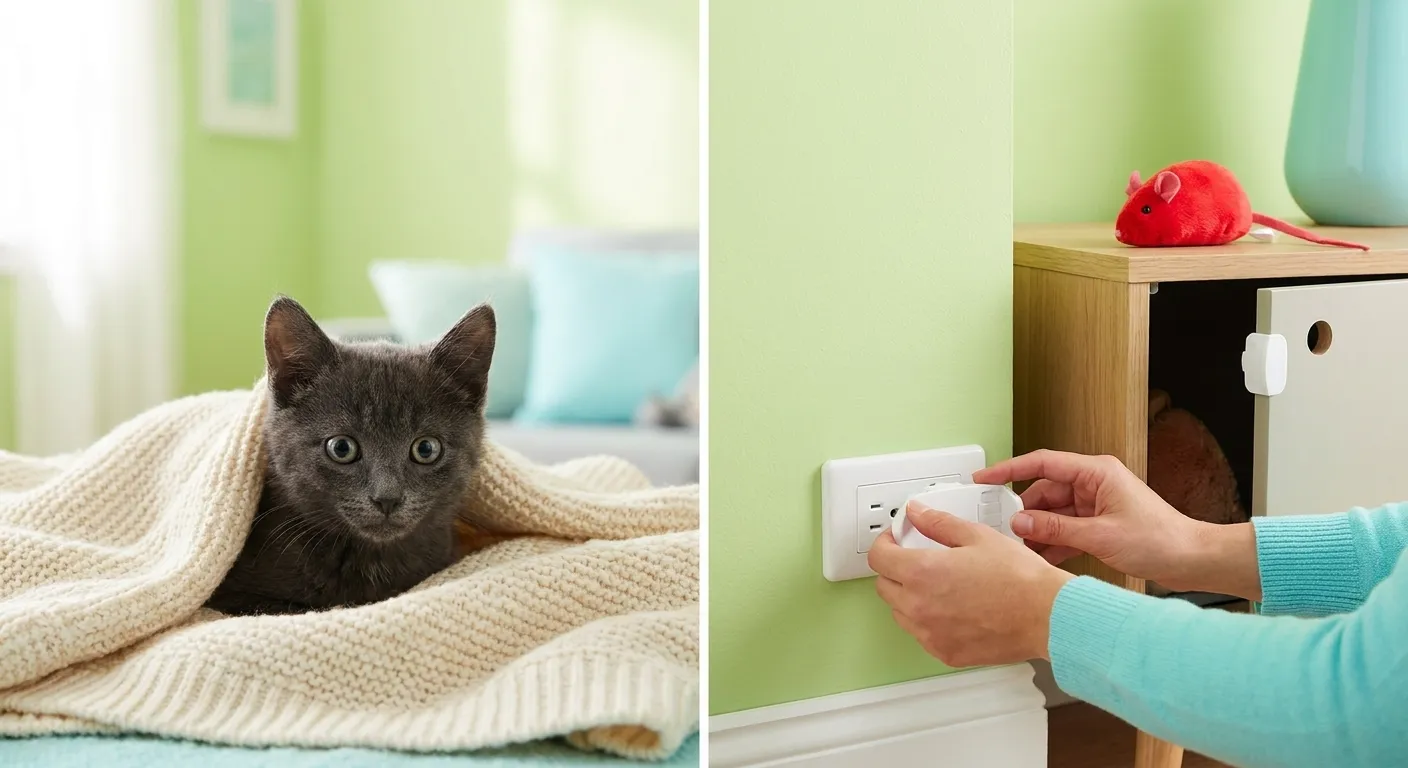
Bringing a curious, playful kitten into your home is an absolute joy, but it also comes with the responsibility of ensuring their safety. Kittens are natural explorers, and their small size allows them to squeeze into unexpected places, making a thorough home safety check paramount. Our safe kitten home checklist is designed to guide you through creating an environment where your new companion can play, grow, and thrive without encountering hidden dangers. Taking these steps proactively will give you peace of mind and protect your adventurous little one.
Preparing your home before your kitten arrives is a critical step in their welcoming a new kitten journey. A secure environment not only prevents accidents but also helps your kitten feel more comfortable and confident in their new surroundings. By carefully considering potential hazards, you can prevent many common kitten emergencies. Furthermore, a well-prepared home allows you to focus on bonding with your new pet, rather than worrying about their safety. This comprehensive guide will help you identify and mitigate risks throughout your living space, room by room.
The Ultimate Safe Kitten Home Checklist
Use this comprehensive checklist to transform your home into a kitten-friendly haven. Go room by room, looking at everything from a kitten’s eye level. Indeed, a thorough inspection is key to identifying potential dangers. This systematic approach ensures that no area is overlooked, providing maximum protection for your curious companion. Moreover, consider that kittens are incredibly agile and can reach surprising heights, so don’t just focus on ground level. For instance, think about shelves or countertops they might attempt to climb.
Kitchen & Bathroom Safety
The kitchen and bathroom often contain numerous potential hazards for a small kitten. Therefore, these rooms require particular attention. Begin by securing all lower cabinets. Childproof latches are excellent for preventing access to cleaning supplies, medications, and human foods that can be toxic to felines. For example, chocolate, onions, and garlic are highly dangerous.
- Secure Cabinets: Use childproof latches on cabinets containing cleaning supplies, medications, human foods (especially toxic ones like chocolate, onions, garlic), and small sharp objects.
- Toilet Lids Down: Always keep toilet lids closed to prevent drowning or drinking from contaminated water. Kittens can easily fall in and struggle to get out.
- Appliance Doors Closed: Keep washing machine, dryer, and dishwasher doors closed. Kittens love small, dark spaces and can easily become trapped inside. Always double-check before operating.
- Remove Dangling Cords: Secure or remove appliance cords that could be chewed or tangled in. This prevents electrocution or strangulation risks.
- Trash Cans: Use heavy, lidded trash cans that kittens cannot tip over or open. This prevents them from ingesting harmful waste or creating a mess.
- Hot Surfaces: Be mindful of hot stovetops and ovens. Kittens are drawn to warmth but can suffer severe burns.
- Small Items: Store small items like razor blades, floss, and cotton swabs securely. These can be choking hazards or cause internal damage if swallowed.
Living Areas & Bedrooms: A Secure Retreat
Your living areas and bedrooms are where your kitten will likely spend much of its time playing and resting. Consequently, ensuring these spaces are safe is paramount. Electrical hazards are a major concern. Kittens are known for their curiosity and tendency to chew. Therefore, managing electrical cords is a top priority.
- Electrical Cords: Bundle, cover, or hide all electrical cords and wires. Kittens are attracted to them and can suffer severe burns or electrocution. Cord protectors are a simple and effective solution.
- Toxic Plants: Identify and remove all toxic houseplants (e.g., lilies, sago palm, philodendron). If you can’t remove them, place them in inaccessible areas. Consult a comprehensive list of toxic plants for cats from the ASPCA.
- Small Objects: Pick up small items like rubber bands, hair ties, paper clips, coins, buttons, sewing notions, and jewelry that could be swallowed. These can cause intestinal blockages.
- Window Blinds/Cords: Cut looped window blind cords or secure them high out of reach to prevent strangulation. Opt for cordless blinds if possible.
- Open Windows/Screens: Ensure all window screens are secure and windows are not left wide open where a kitten could fall or escape. This is a crucial part of a safe kitten home checklist.
- Recliner/Rocking Chairs: Always check under and around these chairs before sitting or moving them, as kittens love to hide in unexpected places. They can easily be crushed.
- Fireplaces: Ensure fireplaces are screened or blocked off when in use and cleaned of ashes when not. Soot can be harmful if ingested.
- Candles/Diffusers: Keep lit candles, essential oil diffusers, and potpourri out of reach. These can cause burns, respiratory issues, or be toxic if ingested.
Doors & Entryways: Preventing Escapes and Accidents
Doors and entryways represent both a gateway to the outside world and a potential source of indoor accidents. Therefore, vigilance in these areas is essential. A quick kitten can slip past you in an instant, leading to a dangerous situation outside. Moreover, heavy interior doors can pose a threat to tiny paws.
- Exterior Doors: Be vigilant when opening and closing exterior doors. Kittens are quick and can dart outside unnoticed. Consider setting up a temporary barrier if you have frequent visitors.
- Interior Doors: Be mindful of closing interior doors, especially heavy ones, to prevent accidental paw injuries. Door stoppers can help prevent sudden slams.
- Pet Doors: If you have a pet door, ensure it’s secure or temporarily blocked if your kitten is too small or not yet vaccinated for outdoor access. This prevents unintended outdoor adventures.
- Garages/Sheds: Keep doors to garages and sheds closed. These areas often contain hazardous chemicals, tools, and machinery.
Kitten-Specific Gear: Setting Up for Success
Beyond hazard removal, a safe environment also includes providing appropriate gear. This ensures your kitten has everything it needs for comfort and development. For instance, a proper litter box setup is fundamental for hygiene and training. This is a vital component of any safe kitten home checklist.
- Litter Box: Provide at least one litter box per kitten plus one extra, in quiet, accessible locations. Ensure the litter box is clean and filled with appropriate, non-clumping litter for young kittens. For more tips, refer to our guide on litter box training for kittens.
- Food and Water Bowls: Use sturdy, non-tip bowls for food and fresh water. Place them in a designated, clean area. Learn more about hydration for kittens.
- Safe Toys: Offer a variety of safe, kitten-appropriate toys. Avoid toys with small parts that can be chewed off and swallowed. Regularly inspect toys for damage.
- Scratching Posts/Pads: Provide multiple scratching surfaces to encourage appropriate scratching behavior and protect your furniture.
- Carrier: Have a secure, comfortable carrier ready for vet visits or travel. This is essential for safe transport.
- Bedding: Provide a soft, warm bed or blanket in a quiet spot where your kitten can feel secure and rest undisturbed.
General Home Safety Tips for Your Adventurous Feline
Beyond specific room considerations, several general practices contribute to a secure kitten environment. Indeed, vigilance and awareness are your best tools. Always maintain a watchful eye, especially during your kitten’s initial exploration phase. This proactive approach ensures a truly safe kitten home checklist.
- Close Drawers and Cupboards: Kittens are masters at opening slightly ajar drawers and cupboards. Always ensure they are fully closed to prevent them from climbing inside and becoming trapped.
- Secure Heavy Furniture: Anchor unstable furniture, like bookshelves and dressers, to the wall. This prevents them from tipping over if your kitten attempts to climb.
- Check Under Furniture: Before moving or sitting on any large furniture, always check underneath. Kittens often nap in hidden spots, making this a critical step.
- Supervise Playtime: Always supervise your kitten during playtime, especially with new toys or when they are exploring new areas. This allows you to intervene if they encounter a potential hazard.
- Keep Doors Closed: Maintain a habit of keeping doors to potentially dangerous rooms (e.g., laundry room, utility closet) securely closed.
- Be Aware of Small Spaces: Kittens can squeeze into incredibly tight spaces. Block off any small gaps behind appliances or under cabinets where they might get stuck. This might include sealing off crawl spaces or gaps in walls.
- Regularly Inspect Your Home: Conduct a regular, perhaps weekly, inspection of your home from a kitten’s perspective. This helps you identify new hazards or areas that need re-securing.
Outdoor Access and Balcony Safety
While this guide focuses on indoor safety, it is important to consider any outdoor access. If your kitten will eventually go outside, ensure they are fully vaccinated and microchipped. However, even supervised outdoor time requires a secure environment. For instance, balconies can pose a significant fall risk. Therefore, take precautions to prevent accidents.
- Secure Balconies: If you have a balcony, ensure the railings are too narrow for a kitten to slip through. Consider adding netting or a secure screen to prevent falls.
- Garden Hazards: If your kitten has access to a garden, check for toxic plants, pesticides, or other harmful chemicals. Keep shed doors closed.
- Supervised Outdoor Time: Always supervise your kitten if they are outdoors. A harness and leash can offer a safe way to explore.
Creating a safe environment for your kitten is an ongoing process. As your kitten grows and develops, their curiosity and abilities will change. Consequently, regular re-evaluation of your home safety measures is essential. For instance, a kitten that couldn’t reach a certain shelf a month ago might now be able to climb to it. Stay informed about kitten-proofing tips from PetMD, as new information and products are always emerging.
By following this safe kitten home checklist, you are not only preventing accidents but also fostering a sense of security for your new family member. A secure home allows your kitten to grow into a confident, happy cat. Remember, patience and consistency are key as your kitten adjusts to their new, safe surroundings. Enjoy this special time with your adorable companion!
Frequently Asked Questions About Kitten Home Safety
How do I know if my home is truly kitten-proof?
To ensure your home is truly kitten-proof, get down on your hands and knees and view your home from a kitten’s perspective. Look for small gaps, dangling cords, and accessible toxic items. A thorough, room-by-room inspection using a comprehensive home safety checklist is recommended. Pay attention to what your kitten shows interest in during their initial exploration.
What are the most common dangers for kittens indoors?
The most common indoor dangers for kittens include electrical cords, toxic plants, small objects that can be swallowed (like rubber bands or hair ties), open toilet bowls, washing machine/dryer access, and unsecured windows or balconies. These items often attract curious kittens, leading to potential accidents.
Can I leave my kitten alone in a kitten-proofed home?
While a kitten-proofed home significantly reduces risks, it’s generally not advisable to leave a very young kitten alone for extended periods. Young kittens require frequent supervision, especially when they are still learning their environment. As they grow and you are confident in your home’s safety, you can gradually increase the time they are left alone, but always ensure they have food, water, and a clean litter box.
How often should I re-check my home for kitten hazards?
It’s a good practice to re-check your home for potential hazards regularly, perhaps once a month, and especially as your kitten grows. Their abilities and reach will change, meaning something that was out of reach last week might be accessible now. Also, be mindful after rearranging furniture or bringing new items into the home.
What should I do if my kitten ingests something potentially harmful?
If you suspect your kitten has ingested something harmful, contact your veterinarian or an animal poison control center immediately. Do not wait for symptoms to appear. Have information ready about what they ate, how much, and when. Quick action can make a significant difference in the outcome.