
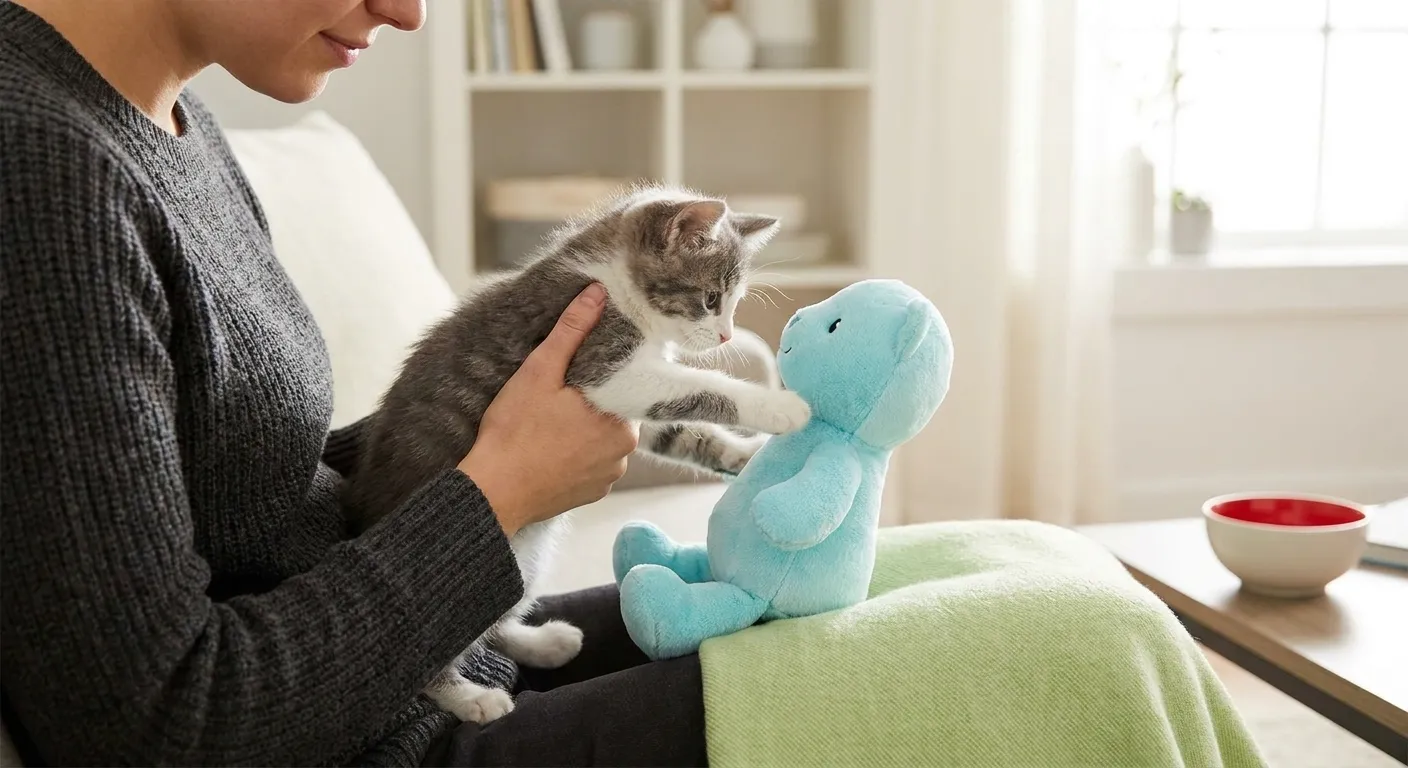
Bringing a new kitten home is an exciting time, filled with purrs, playful pounces, and endless cuddles. Beyond the immediate joy, one of the most impactful things you can do for your new feline friend is to focus on kitten early socialization tips. This crucial period, typically between 3 and 16 weeks of age, shapes their personality, confidence, and how they interact with the world around them for years to come. A well-socialized kitten grows into a confident, friendly, and adaptable adult cat, reducing the likelihood of fear-based aggression or anxiety later in life. At Kitten Care Basics, we believe in laying a strong foundation for a happy feline future.
Why Early Socialization Matters So Much
Think of a kitten’s early weeks as a sponge – they’re absorbing everything, forming perceptions that will stick with them. Positive experiences during this time teach them that new sights, sounds, people, and even other animals are not threats, but rather potential sources of comfort or play. Conversely, a lack of exposure or negative experiences can lead to a shy, fearful, or even aggressive cat. This isn’t just about making your cat friendly to guests; it’s about their overall mental well-being and ability to cope with change, such as vet visits or moving homes. Therefore, understanding the importance of proper kitten socialization is paramount for their development.
Practical Steps for Positive Kitten Socialization
Implementing a structured approach to socializing young cats is key. Here’s how to introduce your kitten to various aspects of life safely and positively. Notably, these steps are designed to build confidence gradually.
1. Gentle Human Interaction
- Variety is Key: Introduce your kitten to a diverse group of people – men, women, children (supervised), people with glasses, hats, or different voices. Each interaction should be calm and positive, perhaps involving a gentle treat or a short play session. Moreover, ensure these encounters are always supervised.
- Handling Practice: Gently handle your kitten regularly. Touch their paws, ears, tail, and mouth. This makes future grooming, nail trims, and vet exams much less stressful. Always reward with praise or a tiny treat. In fact, consistent gentle handling is a core component of kitten early socialization tips.
- Respect Their Space: Never force interaction. If your kitten seems overwhelmed, let them retreat and try again later with a calmer approach. Consequently, they will learn to trust you more.
2. Introducing New Sounds and Sights
- Household Noises: Gradually expose your kitten to common household sounds like vacuum cleaners, blenders, doorbells, and washing machines. Start with low volume and gradually increase, always associating the sound with something positive like a treat or playtime. Similarly, you can play recordings of these sounds.
- Outdoor Sounds (from indoors): Open windows to let in sounds of traffic, children playing, or dogs barking. This helps them acclimate without direct exposure to potential dangers. Furthermore, this controlled exposure helps prevent phobias.
- Visual Stimuli: Let them observe different objects, textures, and movements. A crinkly bag, a moving toy, or even a fan can be new and interesting. As a result, they develop a broader understanding of their environment.
3. Safe Encounters with Other Pets
If you have other pets, introductions should be slow and controlled. For instance, start with scent swapping, then supervised visual contact, and finally, controlled physical interactions. Always ensure the existing pet is calm and tolerant. In addition, always provide escape routes for the kitten if they feel overwhelmed. For more detailed guidance on integrating a new feline, you might find our article on Welcoming a New Kitten: Your Essential First Steps Guide for a Smooth Transition helpful.
Understanding the Critical Window for Social Development
The period from approximately 3 to 16 weeks of age is often referred to as the