
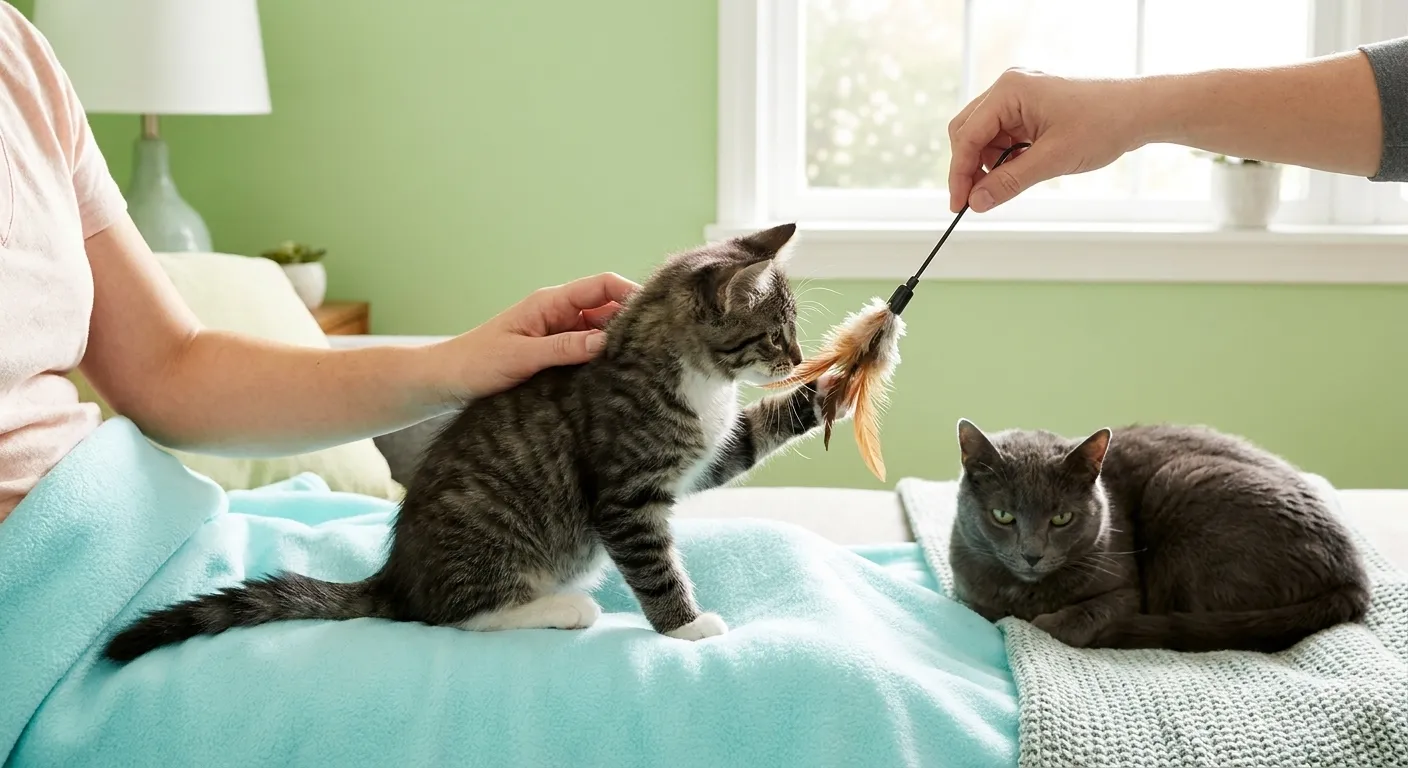
Welcoming a new kitten into your home is an exciting time, filled with purrs, playful pounces, and endless cuddles. Beyond providing the basics like food and shelter, one of the most important gifts you can give your tiny feline friend is proper socialization. Learning kitten socialization tips early on is crucial for fostering a well-adjusted, friendly, and confident companion who thrives in various environments. As more U.S. households embrace pet ownership, seeking reliable guidance for our furry family members becomes paramount. At Kitten Care Basics, we’re here to simplify this vital process for you.
Why Early Kitten Socialization Matters for Lifelong Well-being
The period from birth to around 16 weeks is a critical socialization window for kittens. During this time, their brains are highly receptive to new experiences, sights, sounds, and interactions. Positive exposure during this phase helps them develop resilience and reduces the likelihood of fear-based behaviors later in life. As the trend of the “humanization of pets” continues, with many pet owners viewing their animals as integral family members, fostering a confident and adaptable kitten means they can participate more fully in family life. Early socialization isn’t just about preventing problems; it’s about nurturing a happy, well-integrated cat.
Gentle Introductions: People and Environments
Introducing your kitten to a variety of people and environments should always be a calm and positive experience. Start small and gradually expand their world. For example, invite calm, gentle friends over one at a time. Encourage them to offer a treat or a gentle pet, allowing the kitten to approach on its own terms. Avoid loud noises or sudden movements that might startle your kitten. Similarly, expose your kitten to everyday noises like the vacuum cleaner, doorbell, or washing machine from a distance, gradually moving closer. Pair these sounds with positive reinforcement, such as treats or playtime, to create positive associations. Furthermore, let your kitten explore different surfaces (carpet, tile, wood) and investigate new, safe objects. This helps them become comfortable with varied sensations in their home and beyond.
Socializing with Other Pets (Carefully!)
If you have other pets, particularly other cats or a calm dog, careful introductions are key. The goal is to ensure a safe, positive, and non-threatening first impression. Start with scent swapping – exchanging blankets or toys – before moving to supervised, brief visual introductions through a baby gate or screen. Always ensure both animals have an escape route and maintain a calm, reassuring presence. Remember, patience is paramount; some relationships take time to blossom. In fact, rushing this process can create long-term issues. Therefore, proceed slowly and observe all animals closely. Similarly, consider consulting a professional animal behaviorist if you encounter significant challenges.
Understanding Kitten Body Language
Learning to read your kitten’s body language is fundamental to successful socialization. Pay close attention to their ears, tail, and posture. For instance, flattened ears or a tucked tail often indicate fear or anxiety. Conversely, a relaxed posture with ears forward suggests curiosity and comfort. Understanding these signals allows you to adjust the pace and intensity of new introductions. Consequently, you can prevent overwhelming your kitten and ensure positive experiences. Indeed, recognizing subtle cues is one of the most important kitten socialization tips to master. Moreover, a happy kitten will usually have a relaxed body, a gently swishing tail, and may even purr.
The Importance of Play in Kitten Socialization
Play is not just fun; it’s a vital tool for kitten socialization. Interactive play with toys helps build confidence and strengthens the bond between you and your kitten. It also teaches them appropriate play behaviors, distinguishing between toys and human hands. Use wand toys, laser pointers (with a physical ‘catch’ at the end), and puzzle toys to engage their natural hunting instincts. Additionally, structured play sessions can help burn off excess energy, making your kitten more relaxed during other socialization activities. Regularly engaging in play also provides a safe outlet for their predatory urges, which is important for their overall well-being. Furthermore, consistent play can help them adapt to new routines.
Introducing Your Kitten to Different Sounds and Sights
Beyond household noises, it’s beneficial to expose your kitten to a broader range of sounds and sights in a controlled manner. Consider playing recordings of different sounds at a low volume – children playing, city traffic, or other animal sounds – gradually increasing the volume as your kitten becomes comfortable. Similarly, allow them to observe the outside world from a safe window perch. This passive exposure helps them acclimate without direct interaction. Always pair these experiences with positive reinforcement, such as treats or praise. This helps create positive associations. In addition, ensure your kitten always has a safe hiding spot they can retreat to if they feel overwhelmed. This sense of security is vital for developing confidence.
Handling and Grooming: Essential Kitten Socialization Tips
Gentle handling from a young age is crucial for developing a kitten that is comfortable with being touched and groomed. Start with short, positive sessions, gently touching their paws, ears, mouth, and tail. Offer treats and praise during these sessions to create positive associations. This early conditioning makes vet visits, nail trims, and brushing much less stressful for both you and your cat later on. Moreover, consistent, gentle handling helps your kitten develop trust in you. Regularly brushing your kitten, even for short periods, also helps them get used to grooming tools and keeps their coat healthy. Furthermore, checking their teeth and ears during these sessions can help you spot potential health issues early.
Creating a Safe and Enriching Environment
A safe and enriching home environment is foundational for successful kitten socialization. Provide plenty of scratching posts, climbing structures, and hiding spots. These elements allow your kitten to express natural behaviors and feel secure. A secure environment encourages exploration and confidence. Therefore, a well-designed space is key. Moreover, rotating toys keeps them engaged and prevents boredom. Consider adding a cat tree near a window for mental stimulation. In addition, ensure they have access to fresh water and a clean litter box at all times. This attention to their basic needs further reduces stress. Indeed, a comfortable home sets the stage for positive social development.
Addressing Common Challenges in Kitten Socialization
Even with the best intentions, you might encounter challenges. Some kittens are naturally shyer or have had negative early experiences. Patience, consistency, and positive reinforcement are your best tools. Avoid forcing interactions, as this can worsen fear. Instead, create situations where your kitten can choose to interact on their own terms. If your kitten shows extreme fear or aggression, consult with a veterinarian or a certified feline behaviorist. They can offer tailored advice and strategies. Remember, every kitten is an individual, and their socialization journey will be unique. Understanding their individual needs is paramount. For example, some kittens may need more time and space than others. Furthermore, never punish fear-based behaviors; this only increases anxiety.
The Role of Positive Reinforcement
Positive reinforcement is the cornerstone of effective kitten socialization. This means rewarding desired behaviors with treats, praise, or playtime. For instance, if your kitten calmly approaches a new person, offer a treat. If they tolerate a brief handling session, give them a favorite toy. This helps them associate new experiences with positive outcomes. Consequently, they are more likely to repeat those behaviors. Avoid punishment, as it can damage trust and create fear. Instead, focus on rewarding the behaviors you want to see. This approach builds a strong, positive relationship between you and your kitten. Moreover, positive reinforcement makes learning enjoyable for your feline friend. Therefore, always keep a supply of their favorite treats handy.
Continuing Socialization Throughout Adulthood
While the kitten socialization window is critical, socialization is an ongoing process. Continue to provide new, positive experiences throughout your cat’s life. This could include introducing new, calm visitors, taking them on supervised outings in a cat carrier, or exposing them to new, safe objects. Regular positive interactions help maintain their confidence and adaptability. A well-socialized adult cat is more resilient to changes in routine or environment. Therefore, consistent effort yields long-term benefits. Furthermore, an enriched environment will continue to support their mental and emotional health. Indeed, continuous positive exposure is one of the most important kitten socialization tips. Keeping their world interesting and safe ensures they remain confident companions.
Building Trust and Confidence with Kitten Socialization Tips
Ultimately, successful kitten socialization is about building trust and confidence. Your kitten needs to feel safe and secure in your presence and in their environment. This foundation of trust allows them to explore the world with curiosity rather than fear. Be consistent, patient, and always prioritize your kitten’s comfort. With these kitten socialization tips, you can help your tiny companion grow into a well-adjusted, happy, and confident cat who enriches your life for years to come. Remember, a confident cat is a happy cat. Moreover, a well-socialized cat is often a healthier cat, experiencing less stress. For more expert advice on feline care, visit ASPCA Kitten Care. Additionally, you can find valuable insights on cat behavior at The Humane Society.
We hope these kitten socialization tips from Kitten Care Basics empower you to raise an amazing feline friend. Remember, every positive interaction contributes to their overall development. By implementing these strategies, you are setting your kitten up for a lifetime of happiness and sociability. Therefore, embrace this journey with patience and love.
FAQ
What is the best age to start socializing a kitten?
The ideal time to begin socializing a kitten is between 3 and 16 weeks of age. This period is crucial because their brains are highly receptive to new experiences, which helps them develop into well-adjusted adults.
How do I introduce my kitten to a new dog?
Introduce your kitten to a new dog very carefully and slowly. Start with scent swapping, then supervised visual introductions through a barrier. Always ensure both animals have an escape route and maintain a calm atmosphere. Patience is key to a successful introduction.
What if my kitten is shy or fearful?
If your kitten is shy or fearful, avoid forcing interactions. Instead, create positive experiences where they can choose to engage on their own terms. Use treats and gentle praise. If extreme fear persists, consider consulting a feline behaviorist for tailored guidance.
Can an older cat be socialized?
While the critical window is as a kitten, older cats can still benefit from socialization. It may take more time and patience, but positive reinforcement and gradual introductions can help them become more comfortable with new experiences, people, and environments. Consistency is vital.
How often should I have socialization sessions with my kitten?
Aim for short, frequent socialization sessions rather than long, infrequent ones. Daily interactions for 5-10 minutes with new sounds, gentle handling, or brief introductions to calm individuals are more effective. Consistency helps reinforce positive associations and builds confidence over time.
Explore more: More from Kitten Care Basics