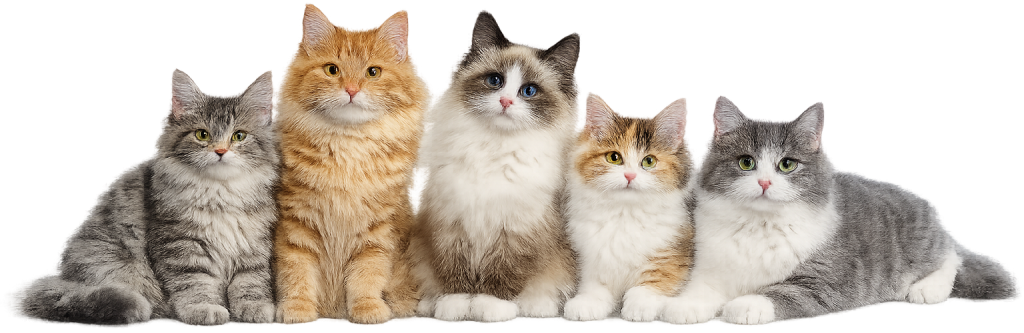
August heat is hard on small bodies. If you want to keep your kitten cool in summer, the good news is that a few simple habits do most of the work. Kittens are curious, they nap in sunny spots, and they don’t always move away from heat when they should.
This article may contain affiliate links. If you buy through them, Kitten Care Basics may earn a small commission at no extra cost to you. See our affiliate disclaimer.
This guide covers why kittens struggle in hot weather, the warning signs to watch for, and easy ways to keep your home comfortable.
Why Kittens Struggle in Hot Weather
Cats cool themselves mainly by resting, finding shade, and grooming. They sweat only a little, through their paw pads. Kittens have a smaller body mass and less experience, so they can overheat faster than adult cats. Flat-faced breeds, such as Persians, have an even harder time because their airways are shorter.
Young kittens also play hard. A kitten will chase a toy until it drops, even on a warm afternoon. That is why you, not the kitten, need to set the limits.
Signs Your Kitten Is Too Hot
Learn these signs before a heat wave arrives:
- Panting or open-mouth breathing (this is not normal for cats)
- Restlessness, pacing, or searching for cool floors
- Drooling or bright red gums and tongue
- Weakness, stumbling, or unusual sleepiness
- Vomiting or diarrhea
When to call the vet: panting, stumbling, collapse, or vomiting in a hot room is an emergency. Move your kitten somewhere cool, offer water, and call your veterinarian right away. Do not use ice-cold water, because rapid cooling can cause other problems.
How to Keep Your Kitten Cool in Summer Indoors
Most heat problems happen at home, so start there. These steps work without any special gear:
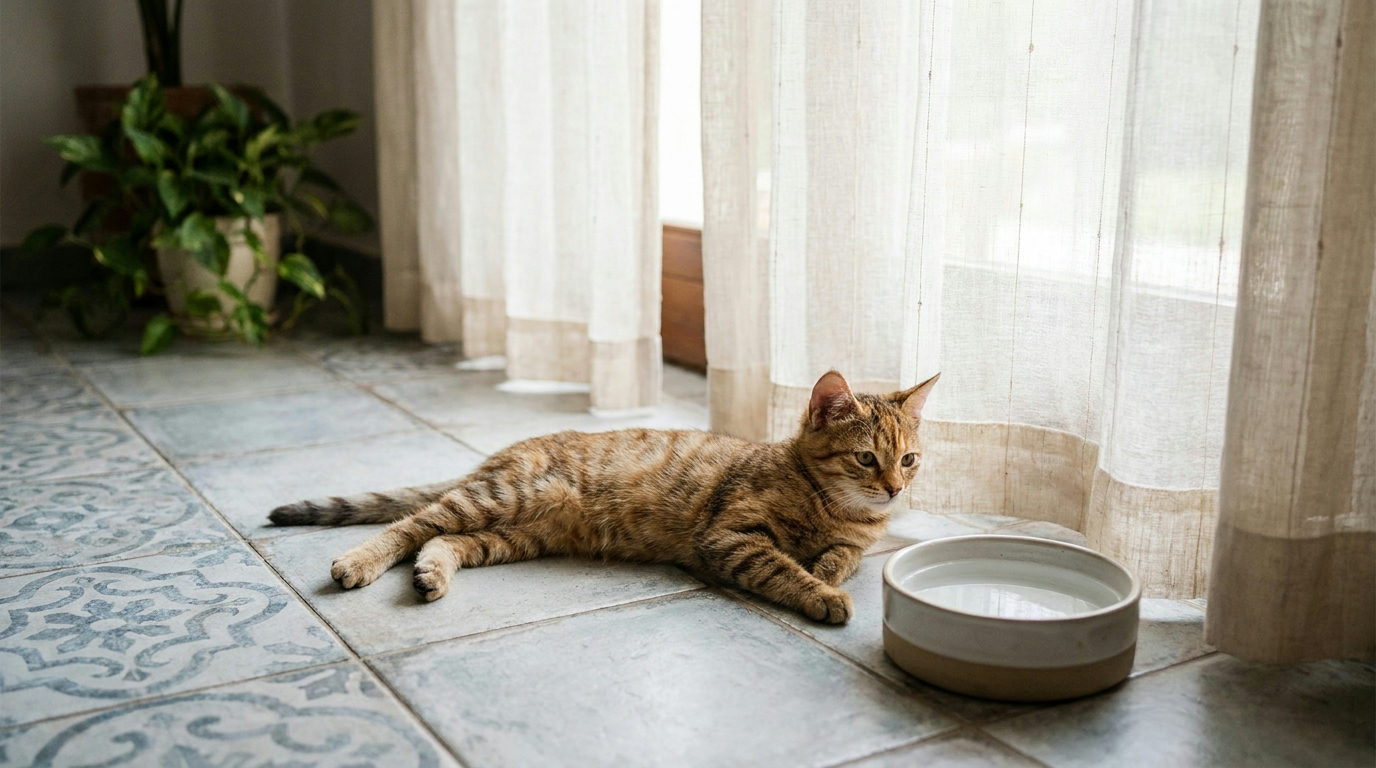
- Create a cool retreat. Close curtains on sunny windows and give your kitten access to a shaded room with tile or wood floors.
- Keep air moving. A fan or air conditioning helps. Point fans so they circulate air, not straight at a sleeping kitten.
- Offer more water. Place two or three fresh water bowls around the house. Many kittens drink more from wide, shallow bowls.
- Move play to cooler hours. Save energetic play for early morning or evening.
- Never leave a kitten in a car. Even with the windows cracked, a parked car heats up very quickly.
For more on drinking habits, read our guide to kitten water intake and hydration.
Food and Water Tips to Keep Your Kitten Cool in Summer
Wet food adds moisture to your kitten’s diet, which helps on hot days. You don’t need to change your kitten’s food just for summer, though. Instead, keep bowls clean and refill them often, because warm water goes stale fast.
Also, don’t leave wet food sitting out for hours in the heat. It spoils quickly. Serve smaller portions and remove leftovers after about 30 minutes.
If you’re thinking about a new bowl setup, our elevated bowls page is a good place to compare styles.
Grooming Helps Your Kitten Stay Cool
Regular brushing removes loose fur, and that helps air reach your kitten’s skin. Long-haired kittens benefit most. However, never shave a kitten to cool it down. A cat’s coat also protects against sunburn and helps regulate temperature. Ask your vet or a professional groomer if your kitten’s coat seems too thick or matted.
Our kitten grooming essentials guide walks through a gentle routine.
Sun Safety for Light-Colored Kittens
White and pale kittens can sunburn, especially on their ears and nose. Sunny windowsills count too. If your kitten loves a sunny perch, add a sheer curtain or move the perch out of midday light. Ask your vet before using any sunscreen, because many human products are unsafe for cats.
A Quick Summer Checklist
- A shaded, cool room is always open to your kitten
- Two or more fresh water bowls, refilled daily
- Play sessions moved to cooler hours
- Wet food removed after 30 minutes
- Your vet’s number and the nearest emergency clinic saved in your phone
With these habits in place, you can keep your kitten cool in summer and enjoy the season together. For broader guidance, International Cat Care publishes helpful, vet-backed advice on cat welfare.
This article is general information, not veterinary advice. If you’re worried about your kitten’s health, contact your veterinarian.