Welcoming a new kitten into your home is an exciting time. One of the most essential aspects of this transition is successful litter box training. A well-trained kitten will quickly become a cherished member of your household. This ensures a clean and harmonious living environment. Mastering this skill early on establishes good habits that will last a lifetime. It also prevents frustrating accidents.
Setting Up for Successful Litter Box Training
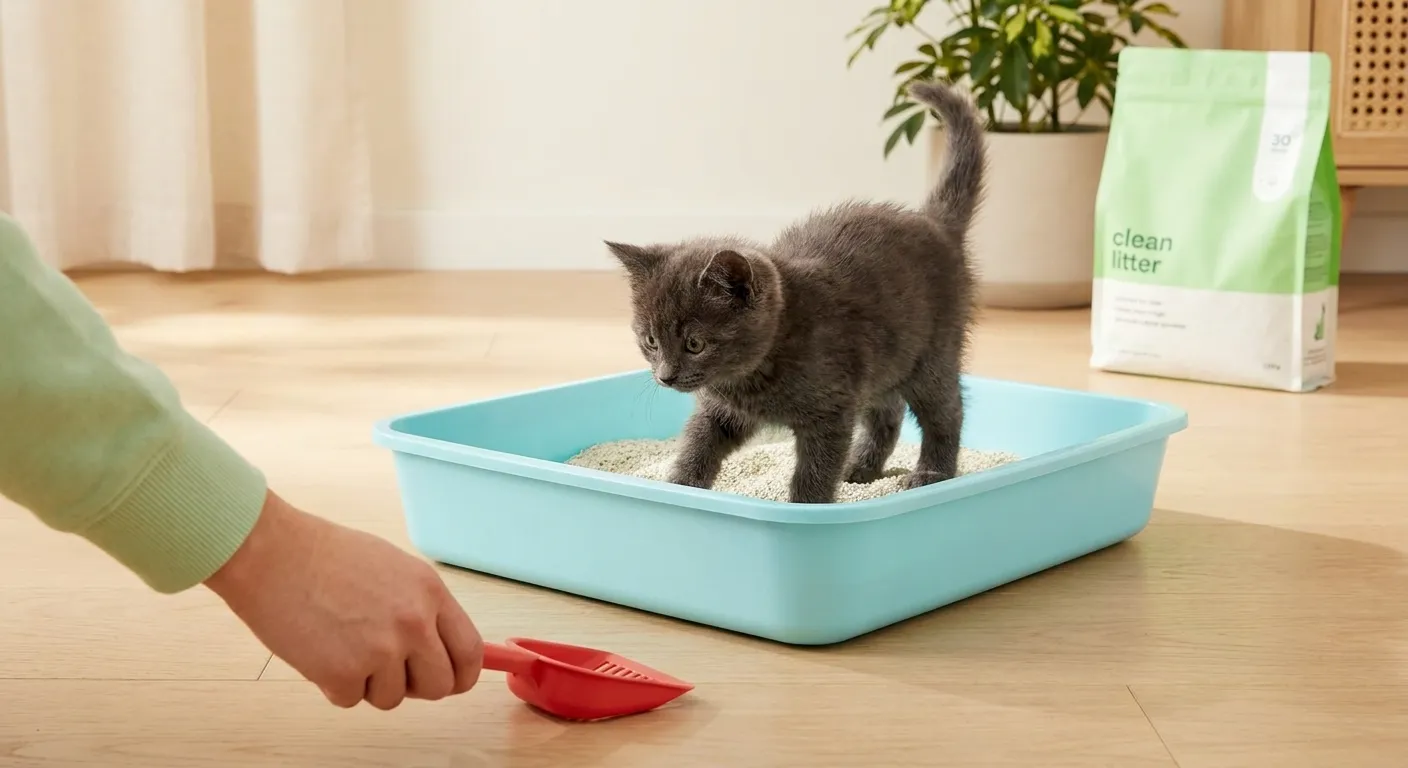
Start by selecting the right equipment. Choose a litter box that is appropriately sized for your kitten. It should have low enough sides for easy access. However, it also needs to be large enough for them to turn around comfortably. As they grow, you may need a larger box. The type of litter also matters significantly. Unscented, finely textured clumping litter is generally preferred by kittens. Avoid scented litters, as the strong smells can deter them. Place the litter box in a quiet, accessible location. Keep it away from their food and water bowls. Also, avoid high-traffic areas. Having multiple litter boxes, especially in a multi-story home or if you have more than one kitten, can also be beneficial. Experts often recommend one litter box per cat, plus one extra. This helps prevent territorial issues.
The Step-by-Step Guide to Litter Box Training
Begin litter box training by gently placing your kitten in the litter box shortly after they wake up. Do this after meals and after play sessions as well. These are common times when kittens need to relieve themselves. If you see your kitten sniffing around, squatting, or looking for a spot, immediately pick them up. Then, place them in the litter box. If they use the box, offer praise and a small treat to create a positive association. Never punish your kitten for accidents. This can cause fear and make them avoid the litter box. Instead, clean up accidents thoroughly with an enzymatic cleaner. This eliminates odors that might attract them back to the same spot. Consistency and patience are key. Keep the litter box clean by scooping it at least once daily. Change the litter completely every week or two, depending on usage.
Understanding Kitten Behavior and Potty Habits
Kittens are naturally inclined to bury their waste. This instinct makes teaching them to use a litter pan relatively straightforward. However, understanding their natural behaviors can greatly assist the house training process. Observe your kitten’s routine. Many kittens will need to relieve themselves within 10-20 minutes of eating. Also, they often need to go right after waking from a nap. Pay close attention to these patterns. You can then anticipate their needs. This proactive approach minimizes accidents. Furthermore, kittens appreciate privacy. Therefore, the location of the litter pan is crucial. A secluded corner provides a sense of security. This encourages them to use the designated area. Remember, a calm environment supports effective feline potty training.
Choosing the Right Litter and Litter Box
Selecting appropriate tools is fundamental for successful feline waste management. As mentioned, an unscented, fine-grained clumping litter is often best for young cats. The texture is gentle on their paws. The lack of scent doesn’t overwhelm their sensitive noses. Some kittens might also prefer specific types of litter, so be prepared to experiment if necessary. For instance, some prefer pine or paper-based litters. However, most veterinarians recommend avoiding crystal or silica gel litters for very young kittens. These can be ingested. The litter box itself should be accessible. A shallow tray works well for small kittens. As they grow, transition to a larger box. This ensures they have ample space. Covered litter boxes can offer privacy. However, they can also trap odors, which might deter some cats. Consider your kitten’s preferences. Ultimately, the goal is to make the toilet training experience as comfortable as possible for them.
Troubleshooting Common Litter Box Issues
Even with the best intentions, problems can arise during toilet training. If your kitten starts having accidents outside the box, first rule out medical issues. A visit to the vet can determine if a urinary tract infection or other health problem is causing the accidents. Once health issues are excluded, consider environmental factors. Is the litter box clean enough? Many cats are particular about cleanliness. Is the litter box in a quiet, private spot? High-traffic areas can stress a kitten. Have you recently changed the type of litter? A sudden change might be unwelcome. Also, ensure you have enough litter boxes. The general rule is one per cat plus one extra. This helps prevent competition or avoidance. Moving the litter box can also cause confusion. If you must move it, do so gradually. Address these factors systematically. This will help resolve most challenges with feline toilet habits. Patience is paramount when troubleshooting.
Positive Reinforcement and Consistency
Positive reinforcement is the cornerstone of effective cat toilet guidance. When your kitten uses the litter box, praise them gently. A soft
Explore more: More from Kitten Care Basics