
Bringing a new kitten home is an exciting time, but it also comes with the responsibility of ensuring their safety. Just like human toddlers, kittens are naturally curious and prone to getting into mischief. This natural curiosity can sometimes lead to dangerous situations. Effective kitten safety at home involves preemptively identifying and neutralizing potential hazards. The goal is to create a secure and enriching environment for your new companion.
New kitten owners often feel overwhelmed. However, with a bit of preparation, you can transform your living space. You can make it a perfect sanctuary for your furry friend. Therefore, understanding common dangers is the first step. You must then implement practical solutions to protect your kitten. This guide will walk you through everything. You will learn how to make your home a safe and happy place for your kitten.
Identifying and Removing Common Hazards for Kitten Safety at Home
Start by looking at your home from a kitten’s perspective. They are low to the ground and possess an insatiable desire to explore. Common hazards include small objects that can be swallowed. For example, rubber bands, hair ties, string, and small toys pose significant risks. Toxic plants also present danger. Lilies, sago palm, and azaleas are particularly harmful. Furthermore, accessible cleaning supplies or medications are serious threats.
Secure loose electrical cords. Chewing on them can lead to burns or electrocution. Block off small crevices or openings where a kitten might get stuck. This prevents them from getting trapped. Store all chemicals, medications, and human foods in locked cabinets or on high shelves. Specifically, chocolate, onions, and garlic are highly toxic to felines. Ensuring kitten safety at home means vigilance. You must consistently check for new potential dangers.
Moreover, consider items often left on counters or tables. Keys, coins, and small decorative items can easily become choking hazards. Consequently, it’s wise to adopt a ‘put away’ mentality. This proactive approach significantly reduces risks. Regularly inspect your floors for dropped items. Even small crumbs can attract curious kittens. A clean and organized home is inherently safer for a kitten.
Securing Your Space for Exploration and Play
Beyond removing obvious dangers, consider how your kitten will interact with your living space. Secure windows and balconies to prevent falls. This is especially crucial for apartments or homes with multiple stories. If you have blinds or curtains with cords, tie them up out of reach to prevent strangulation. These cords are surprisingly tempting playthings. Garbage cans should have secure lids. This prevents kittens from rummaging through potentially harmful waste.
Some owners use baby gates to restrict access to certain rooms. This is particularly useful during initial training periods. It also helps when direct supervision isn’t possible. Provide safe scratching posts and appropriate toys. This redirects natural behaviors away from furniture and other household items. In addition, ensure all toys are kitten-safe. Avoid toys with small, detachable parts. These can be swallowed.
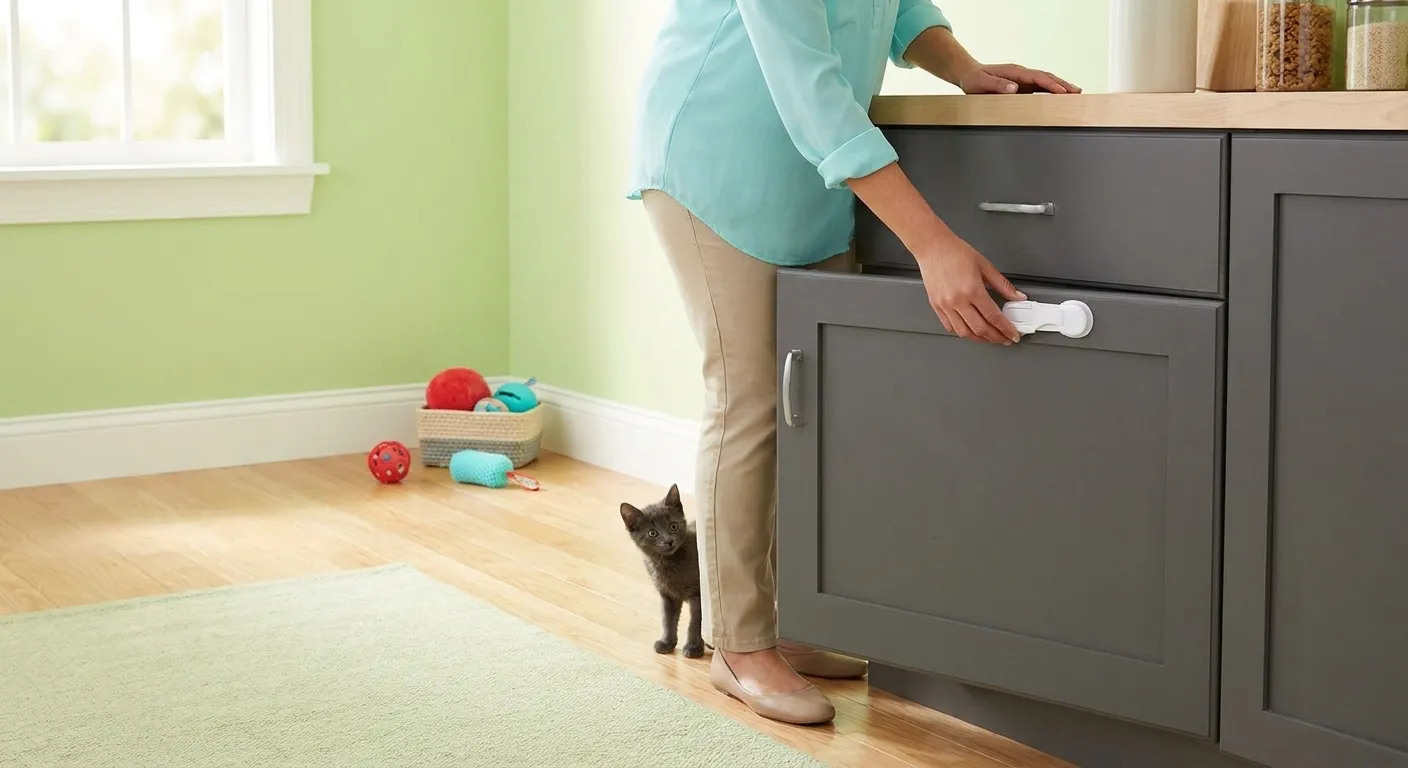
Furthermore, examine your furniture. Recliner chairs or rocking chairs can pose a crushing risk. Always check under and around such furniture before operating it. Similarly, ensure that heavy objects on shelves are stable. A climbing kitten could easily knock them down. Consider adding child locks to lower cabinets. This prevents access to areas like under the sink, where cleaning products are often stored. These measures contribute greatly to overall home safety for kittens.
Creating a Stimulating Yet Safe Environment
A safe home isn’t just about removing dangers. It’s also about providing a stimulating environment. Kittens need opportunities for play and exploration. Therefore, offering appropriate toys and designated play areas is essential. Puzzle feeders can keep them entertained. Cat trees provide vertical space for climbing and observing. These additions enhance their quality of life.
However, always supervise playtime, especially with new toys. Rotate toys regularly to keep your kitten engaged. This also prevents them from becoming too attached to one item, which might lead to destructive behavior if it gets lost. Investing in good quality, durable toys is a wise decision. Cheap toys often break easily, creating small, ingestible pieces. Remember, a bored kitten is more likely to find trouble. Thus, mental and physical stimulation is key for kitten safety at home.
Moreover, consider the placement of food and water bowls. They should be in a quiet, easily accessible area. Elevated bowls can be beneficial for some kittens. Ensure fresh water is always available. A comfortable, safe sleeping spot is also paramount. A carrier with a soft blanket or a dedicated cat bed provides a sense of security. This contributes to their overall well-being and reduces stress.
Regular Inspections and Ongoing Vigilance
Kitten-proofing is not a one-time task. It requires ongoing vigilance. Kittens grow quickly, and their abilities change. What was once out of reach may soon become accessible. Therefore, regularly inspect your home for new potential hazards. Pay attention to your kitten’s evolving behaviors. Are they showing interest in a new area or object? If so, assess its safety.
For example, as they grow, they might jump higher. They might also squeeze into smaller spaces. Consequently, what was a safe shelf last month might be a climbing challenge this month. Similarly, check the integrity of screens on windows and doors. An adventurous kitten might test their strength. Regular checks ensure that your home remains a fortress of kitten safety at home. It’s a continuous process of adaptation.
Furthermore, educate all household members about kitten safety. Children, especially, need to understand what is safe for the kitten and what is not. Establish clear rules about closing doors, putting away small items, and storing food securely. Consistency from everyone in the household reinforces good habits and maintains a safe environment. This collective effort is vital for your kitten’s protection.
Addressing Specific Room Hazards
Different rooms in your home present unique challenges for kitten safety at home. Let’s break down some common areas and how to make them safer.
Kitchen Safety
The kitchen is often a hub of activity and, consequently, potential hazards. Hot stoves, sharp utensils, and toxic foods are common. Never leave food unattended on countertops. Keep knives and other sharp objects securely stored. Use childproof locks on cabinets containing cleaning supplies, spices, and human foods like chocolate, onions, and garlic. These are highly toxic to cats. Ensure your trash can has a tight-fitting lid. This prevents curious paws from exploring leftovers. Furthermore, be mindful of small appliances. Toasters, blenders, and coffee makers can be knocked over or accessed by a climbing kitten. Unplug them when not in use.
Bathroom Safety
Bathrooms contain many dangers. Cleaning products, medications, and even standing water in toilets can be hazardous. Always keep the toilet lid down. A kitten could fall in and drown. Store all medications and toiletries in locked cabinets. Many human products, like toothpaste and mouthwash, are toxic to cats. Never leave razors or sharp objects on counters. Empty bathtubs and sinks immediately after use. This prevents accidental drownings. Furthermore, be aware of string-like items, such as dental floss, which can cause serious internal damage if ingested. Always dispose of them properly.
Laundry Room Safety
Washing machines and dryers pose significant risks. Kittens are curious and might climb inside for a nap. Always check inside before closing the door and starting a cycle. Keep laundry detergents and fabric softeners stored securely. These chemicals are highly toxic. Furthermore, be cautious of laundry baskets. Kittens love to hide in them, but they could get trapped or injured if heavy items are placed on top. Keep the laundry room door closed when not in use. This simple step can prevent many accidents and enhance overall kitten safety at home.
Bedroom Safety
Bedrooms often contain many small items. Jewelry, hair ties, rubber bands, and even small buttons can be ingested. Keep all these items stored securely in drawers or jewelry boxes. Be mindful of open closets or dresser drawers. Kittens love to explore and can get trapped or entangled. Ensure cords from blinds or curtains are secured out of reach. Check under beds and in dark corners before closing doors. This prevents accidental lock-ins. Furthermore, if you have houseplants in your bedroom, verify they are non-toxic to cats. Many common houseplants can cause illness.
Living Room Safety
The living room is typically a central gathering space. It also presents unique challenges for kitten safety at home. Secure all electrical cords. Use cord protectors or tuck them away. This prevents chewing and electrocution. Anchor heavy furniture, like bookshelves or televisions, to the wall. This prevents them from tipping over if a kitten attempts to climb. Be wary of decorative items made of glass or ceramics. These can break and cause injury. Remove small, easily swallowed items. For example, remote control buttons or small toy parts. Provide plenty of safe scratching posts and cat trees. This redirects their natural instincts away from your furniture. Consider using pet-safe repellents on furniture you want to protect, if necessary.
The Importance of Routine and Supervision
Establishing a routine provides comfort and predictability for your kitten. Regular feeding times, play sessions, and rest periods help them feel secure. This reduces anxiety, which can sometimes lead to destructive behaviors. Consistent supervision is also paramount. While kitten-proofing is essential, it’s not a substitute for watchful eyes. Always supervise your kitten, especially during their initial weeks in a new environment.
When you cannot directly supervise, consider confining your kitten to a safe, kitten-proofed room. This might be a bathroom or a designated playpen. Ensure they have access to food, water, a litter box, and safe toys. This prevents them from getting into trouble when you’re busy or away. Gradually increase their access to other parts of the home as they learn boundaries and become more familiar with their surroundings. This phased approach supports effective kitten safety at home.
Moreover, consider the role of training. Teaching your kitten basic commands, like
Explore more: More from Kitten Care Basics