When you are caring for fragile newborn kittens, choosing the best milk replacer for newborn kittens becomes one of the most important decisions you will make. Unlike adult cats, newborn kittens rely completely on proper nutrition to survive, grow, and develop strong immune systems. Because their bodies are extremely sensitive, even small feeding mistakes can lead to serious health issues.
Many new caregivers assume that any milk will work, but that is simply not true. Cow’s milk, for example, can cause digestive upset and dehydration. Instead, a specially formulated milk replacer is essential. In this guide, we will explore how to choose the right option, what to avoid, and how different products compare so you can confidently provide the care these tiny animals need.
Why Proper Milk Replacement Matters For Newborn Kittens
Newborn kittens depend on their mother’s milk for antibodies, hydration, and balanced nutrients. However, when the mother is absent or unable to nurse, the best milk replacer for newborn kittens becomes the only safe alternative. Without it, kittens can quickly become weak, dehydrated, and underweight.
Additionally, proper milk replacers are designed to mimic the composition of feline milk. They contain the right balance of protein, fat, and essential vitamins. Because kittens grow rapidly in their first few weeks, this nutritional balance is critical. As a result, using the wrong formula can slow growth or even lead to life-threatening deficiencies.
Another important factor is digestion. Newborn kittens have delicate stomachs, so a high-quality replacer ensures easy absorption. Therefore, choosing wisely is not just about feeding—it is about survival and long-term health.
Key Ingredients To Look For In A Quality Milk Replacer
Before comparing brands, it helps to understand what defines the best milk replacer for newborn kittens. Not all formulas are created equal, and ingredient quality plays a major role in effectiveness.
First, protein should come from animal sources rather than plant-based fillers. Kittens require high levels of animal protein to support muscle and organ development. Next, fat content must be sufficient to provide energy. Because kittens cannot eat solid food yet, fat becomes their primary fuel source.
Equally important, look for added vitamins and minerals such as calcium, phosphorus, and taurine. These nutrients support bone growth, heart health, and vision development. In addition, probiotics can be beneficial, as they help maintain healthy digestion and reduce the risk of diarrhea.
Finally, avoid artificial additives, excess sugars, or unnecessary fillers. These ingredients may seem harmless, but they can disrupt digestion and reduce the overall quality of the formula.
Liquid Vs Powder: Which Option Works Better
When searching for the best milk replacer for newborn kittens, you will notice two main types: liquid and powder formulas. Each has its own advantages, and your choice may depend on your situation and experience level.
Liquid formulas are convenient because they come ready to use. This means you do not have to measure or mix anything, which reduces the chance of error. For beginners, this simplicity can be extremely helpful, especially during late-night feedings. However, liquid options tend to be more expensive and have a shorter shelf life once opened.
On the other hand, powdered formulas are more cost-effective and last longer when stored properly. They also allow you to prepare fresh batches as needed. However, they require precise mixing. If the ratio is incorrect, the formula may become too diluted or too concentrated, which can harm the kitten.
Ultimately, both options can work well, but consistency and accuracy are key.
Comparing Popular Milk Replacer Options
To find the best milk replacer for newborn kittens, it is helpful to look at how popular products perform in real situations. While brand names vary, most high-quality formulas share similar characteristics, yet subtle differences can affect your choice.
Some formulas focus heavily on high protein and fat levels, closely mimicking natural feline milk. These are often recommended for very young or underweight kittens because they provide rapid nutritional support. Others include added probiotics, which can be especially useful if kittens are experiencing digestive issues or stress.
Meanwhile, certain formulas stand out for their ease of use. Pre-mixed liquids are ideal for emergencies or when you need quick feeding without preparation. In contrast, premium powdered formulas often offer better long-term value, especially if you are caring for multiple kittens.
Another factor to consider is tolerance. Not every kitten reacts the same way to a formula. Therefore, even the best milk replacer for newborn kittens may require some trial and observation to ensure it suits your kitten’s needs.
How To Safely Feed Newborn Kittens
Choosing the best milk replacer for newborn kittens is only part of the process. Feeding technique also plays a crucial role in their health and survival.
First, always warm the formula slightly before feeding. It should be close to body temperature, as cold milk can upset the kitten’s stomach. At the same time, avoid overheating, as this can destroy nutrients and burn the kitten.
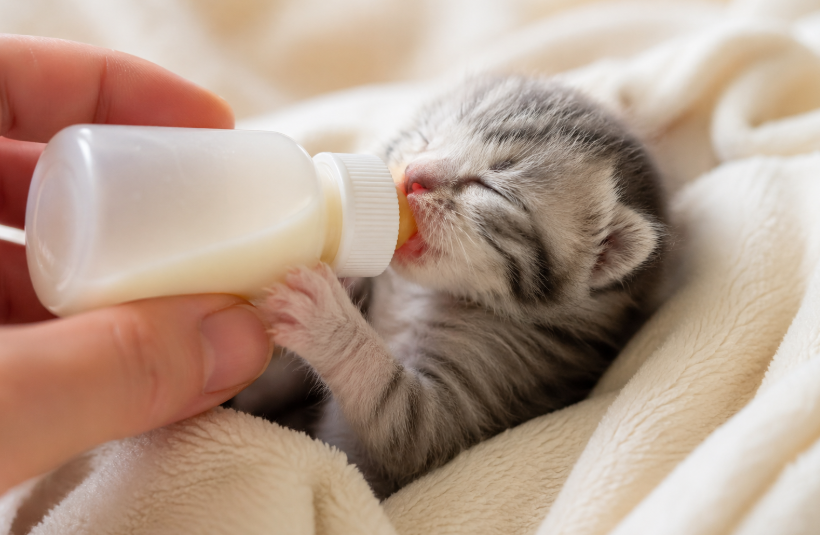
Next, use a proper feeding bottle or syringe designed for small animals. Hold the kitten in a natural, belly-down position to prevent aspiration. Feeding on their back can cause milk to enter the lungs, which is extremely dangerous.
Equally important, feed small amounts frequently. Newborn kittens typically need feeding every two to three hours. Although this schedule can be demanding, it closely mimics natural nursing behavior.
After feeding, gently stimulate the kitten to help it eliminate waste. This step is often overlooked, but it is essential for proper digestion and overall health.
Common Mistakes To Avoid When Using Milk Replacers
Even with the best milk replacer for newborn kittens, mistakes can still happen. Fortunately, most are easy to avoid once you know what to watch for.
One of the most common errors is overfeeding. While it may seem helpful, too much milk can lead to bloating and diarrhea. Instead, follow recommended feeding guidelines and adjust gradually based on the kitten’s growth.
Another mistake is inconsistent mixing. Powdered formulas must be measured carefully. If the mixture is too thick, it can strain digestion. If it is too thin, the kitten may not receive enough nutrients.
Additionally, switching formulas too quickly can cause digestive upset. If you need to change products, do so gradually over a few feedings. This helps the kitten adjust without stress.
Lastly, always store formula properly. Spoiled milk replacer can cause serious illness, so freshness and hygiene should never be overlooked.
How To Tell If Your Kitten Is Thriving
Once you have chosen the best milk replacer for newborn kittens, it is important to monitor progress. Healthy kittens show clear signs of growth and development, and these indicators can guide your feeding routine.
First, weight gain is the most reliable sign. Kittens should gain weight steadily each day. Regular weighing helps you track progress and identify issues early.
Second, observe behavior. Healthy kittens are active, vocal, and responsive. While they sleep often, they should also show energy during feeding times.
Additionally, check digestion. Normal stool consistency and regular elimination indicate that the formula is working well. If you notice persistent diarrhea or constipation, it may be time to reassess the formula or feeding method.
Overall, small daily improvements are a strong sign that you have chosen the right approach.
Conclusion
Caring for newborn kittens can feel overwhelming, but choosing the best milk replacer for newborn kittens gives you a strong foundation for success. With the right formula, proper feeding techniques, and careful observation, you can support healthy growth during this critical stage of life.
While there are many options available, the best choice ultimately depends on your kitten’s needs, your experience level, and your ability to maintain consistency. By focusing on high-quality ingredients, proper preparation, and attentive care, you can ensure that your kittens receive the nutrition they deserve.
In the end, the effort you put into selecting the right milk replacer and feeding correctly will directly impact your kitten’s health, strength, and future well-being.
FAQ
- What type of formula is safest for orphaned kittens?
A specially formulated kitten milk replacer designed to mimic feline milk is the safest choice for proper growth and digestion. - Can kittens drink regular cow’s milk?
No, cow’s milk can cause digestive problems and should not be used as a substitute for proper kitten formula. - How often should newborn kittens be fed?
They typically need feeding every two to three hours during their first weeks of life to maintain energy and growth. - How do I know if the formula is working well?
Steady weight gain, normal digestion, and active behavior are signs that the feeding routine is effective. - When can kittens transition to solid food?
Most kittens can begin transitioning to soft food around four weeks, gradually reducing milk feedings over time.