
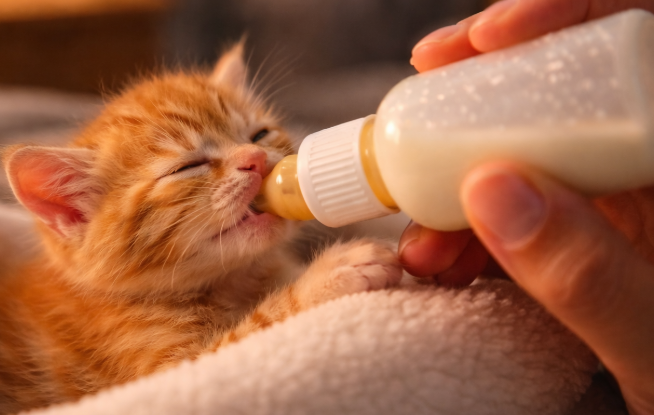
Caring for a tiny kitten can feel overwhelming, especially when you are unsure how often or how much to feed. Understanding a newborn kitten feeding schedule is one of the most important steps in ensuring your kitten grows healthy and strong. During the first few weeks of life, kittens depend entirely on proper nutrition, and even small mistakes in feeding can affect their development.
Unlike older cats, newborn kittens need frequent and consistent feeding throughout the day and night. Their small bodies cannot store energy for long periods, so regular feeding becomes essential. Therefore, following a structured newborn kitten feeding schedule helps maintain stable energy levels and supports steady growth.
While it may seem demanding at first, the routine quickly becomes manageable. Once you understand the timing and techniques, you can confidently provide the care your kitten needs. Over time, these early efforts create a strong foundation for lifelong health.
Why Feeding Frequency Matters So Much
The reason a newborn kitten feeding schedule is so important lies in how quickly kittens grow. During the first weeks, their bodies develop rapidly, and they require constant nourishment to support this growth. Missing feedings or spacing them too far apart can lead to weakness or slow development.
Newborn kittens typically need feeding every two to three hours. This frequent schedule may seem intense, but it mirrors how they would naturally nurse from their mother. As a result, maintaining this rhythm is essential for proper care.
In addition, regular feeding helps regulate digestion. Small, frequent meals are easier for kittens to process, reducing the risk of stomach issues. Therefore, sticking to a consistent newborn kitten feeding schedule supports both growth and digestive health.
Consistency also builds routine. Kittens quickly adapt to regular feeding times, which helps reduce stress and promotes better overall well-being.
Week By Week Feeding Guide
Understanding how a newborn kitten feeding schedule changes over time makes it easier to adjust your routine as your kitten grows. Each stage has different needs, so flexibility is important.
During the first week, kittens require feeding every two hours, including overnight. Their stomachs are very small, so frequent feeding ensures they receive enough nutrition. At this stage, warmth is also critical, as cold kittens cannot digest food properly.
By the second week, feeding can shift to every two to three hours. Kittens begin to grow stronger, and their feeding capacity slightly increases. However, consistency remains essential.
In weeks three and four, feeding intervals may extend to every three to four hours. At this point, kittens start becoming more active, and their bodies handle slightly larger amounts of food.
As the weeks progress, the newborn kitten feeding schedule gradually becomes less demanding. However, careful observation is still necessary to ensure your kitten is thriving.
Choosing The Right Milk Formula
Selecting the correct formula is a key part of a reliable newborn kitten feeding schedule. Kittens require a specialized milk replacement that closely matches the nutrients found in their mother’s milk.
Cow’s milk should always be avoided, as it can cause digestive problems. Instead, use a high-quality kitten formula designed specifically for their needs. This ensures they receive the right balance of protein, fat, and essential nutrients.
Preparation is equally important. Always follow the instructions carefully and ensure the formula is warmed to a safe temperature before feeding. Too hot or too cold can cause discomfort or harm.
Using the right formula consistently supports the effectiveness of your newborn kitten feeding schedule. It also helps prevent common issues such as diarrhea or malnutrition.
Proper Bottle Feeding Techniques
Feeding technique plays a major role in the success of your newborn kitten feeding schedule. Holding your kitten correctly ensures safe feeding and proper digestion.
Always position your kitten on its belly, similar to how it would nurse naturally. Never feed a kitten on its back, as this can lead to choking. A steady and gentle approach helps your kitten feel secure during feeding.
Allow your kitten to suckle at its own pace. Forcing milk can cause aspiration, which is dangerous. Instead, let the feeding process happen naturally and calmly.
After each feeding, gently burp your kitten by holding it upright and lightly patting its back. This step helps release trapped air and supports digestion.
By following these techniques, you make your newborn kitten feeding schedule safer and more effective.
Monitoring Growth And Feeding Progress
Tracking your kitten’s growth is an essential part of maintaining a successful newborn kitten feeding schedule. Regular weight checks provide clear insight into whether your kitten is receiving enough nutrition.
Healthy kittens should gain weight steadily each day. If weight gain slows or stops, it may indicate feeding issues that need attention. Adjusting portion sizes or feeding frequency can often resolve these concerns.
Behavior also offers important clues. A well-fed kitten is usually calm and satisfied after feeding. In contrast, constant crying or restlessness may signal hunger or discomfort.
Keeping a simple record of feeding times and weight can help you stay organized. This makes it easier to identify patterns and ensure your newborn kitten feeding schedule remains effective.
When To Adjust The Feeding Routine
As your kitten grows, its feeding needs will change. Recognizing when to adjust your newborn kitten feeding schedule is important for continued development.
Around three to four weeks, kittens may begin showing interest in solid food. This is the early stage of weaning, where milk feeding gradually decreases. Introducing soft, kitten-safe food alongside formula helps ease the transition.
During this period, feeding frequency may decrease, but portion sizes increase. This shift supports growing energy needs while preparing your kitten for a more independent diet.
However, transitions should be gradual. Sudden changes can upset digestion and cause stress. Therefore, maintaining a flexible but consistent newborn kitten feeding schedule ensures a smooth adjustment.
Common Feeding Mistakes To Avoid
First-time owners often make simple mistakes when following a newborn kitten feeding schedule. One common issue is overfeeding, which can lead to digestive problems. While it may seem helpful, too much food can be harmful.
Another mistake is inconsistent feeding times. Irregular schedules can disrupt digestion and affect growth. Therefore, sticking to a routine is essential.
Improper formula preparation is also a concern. Incorrect ratios or temperatures can impact your kitten’s health. Always follow instructions carefully to avoid complications.
Additionally, feeding a cold kitten is dangerous. Kittens must be warm before feeding, as cold bodies cannot digest properly.
By avoiding these mistakes, you can maintain a safe and effective newborn kitten feeding schedule.
Building Confidence As A Caregiver
As you continue following a newborn kitten feeding schedule, your confidence will grow naturally. What once felt complicated becomes a familiar routine. Each successful feeding reinforces your ability to provide proper care.
Patience is key during this process. There may be challenges along the way, but consistent effort leads to improvement. Over time, your kitten’s growth and development will reflect the care you provide.
Seeking guidance when needed is also helpful. Veterinarians and experienced caregivers can offer valuable advice that supports your efforts.
With practice and dedication, your newborn kitten feeding schedule becomes a reliable system that ensures your kitten thrives.
Conclusion
Following a newborn kitten feeding schedule you can trust is one of the most important responsibilities of caring for a young kitten. By maintaining consistent feeding times, using the right formula, and monitoring growth, you create a strong foundation for healthy development.
Although the early weeks require dedication, the rewards are significant. Your kitten will grow stronger, more active, and more independent with each passing day. With patience and attention, you can provide the care needed to support a healthy and happy life.
In the end, a well-managed newborn kitten feeding schedule not only supports physical growth but also builds your confidence as a caregiver.
FAQ
- How often should I feed a newborn kitten?
Newborn kittens typically need feeding every two to three hours, including during the night. - What type of milk is safe for kittens?
A kitten-specific formula is recommended, as regular milk can cause digestive issues. - How do I know if my kitten is eating enough?
Steady weight gain and calm behavior after feeding are good signs of proper nutrition. - When can kittens start eating solid food?
Most kittens begin transitioning to solid food around three to four weeks of age. - What should I do if my kitten refuses to eat?
Check temperature, feeding technique, and consult a veterinarian if the issue continues.