Bringing a new kitten home means embarking on a wonderful adventure filled with discovery and bonding. Beyond the initial excitement, establishing a routine for your kitten’s daily care is fundamental to their long-term health and happiness. Understanding kitten grooming essentials from an early age helps establish healthy habits, strengthens your bond, and prevents common health issues. As pet ownership continues to rise, with 49 million U.S. households owning cats in 2025, new owners are increasingly seeking accessible, step-by-step guides to ensure their feline friends thrive. Kitten Care Basics is here to provide that practical guidance.
Why Kitten Grooming Essentials Are Crucial for Well-being
Grooming isn’t just about keeping your kitten looking pristine; it’s a proactive approach to their overall health. Regular grooming helps prevent matting, reduces hairballs, allows for early detection of skin issues or parasites, and even contributes to dental health. Introducing grooming routines early makes the process less stressful for your kitten as they grow, turning it into a positive bonding experience rather than a dreaded chore. This proactive care aligns perfectly with the growing awareness of pet health nutrition and the expansion of digital health platforms, emphasizing early intervention and consistent wellness practices.
Brushing for a Healthy Coat and Strong Bond
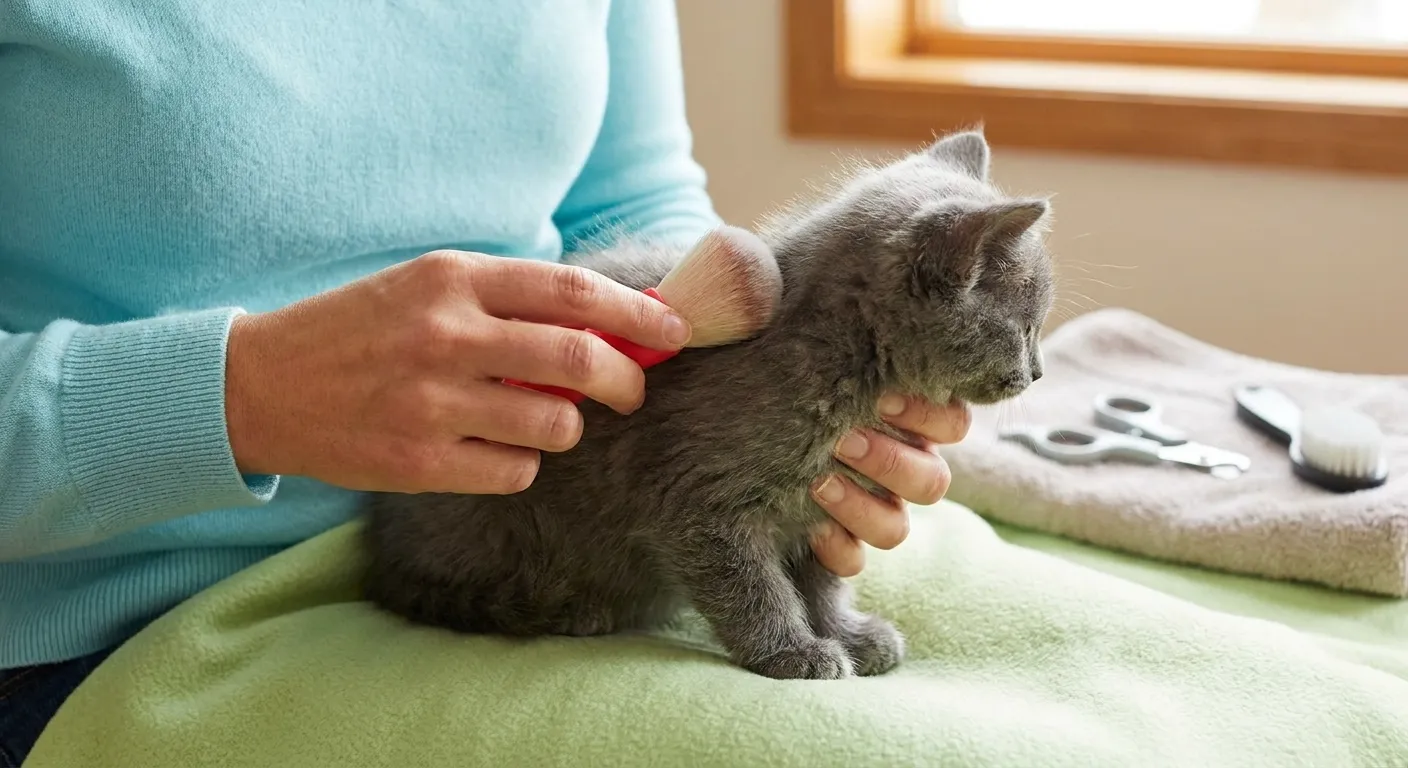
Regular brushing is one of the most important kitten grooming essentials. Even short-haired kittens benefit from brushing, which removes loose fur, reduces shedding, and prevents hairballs. For long-haired breeds, it’s indispensable for preventing painful mats.
- Choose the Right Brush: Start with a soft-bristled brush or a rubber grooming mitt designed for kittens. As they grow, you might transition to a slicker brush for longer coats or a deshedding tool.
- Gentle Technique: Begin with short, gentle strokes, focusing on areas your kitten enjoys being touched. Always brush in the direction of hair growth. Keep sessions brief (1-2 minutes) initially, gradually increasing the duration as your kitten becomes more comfortable.
- Positive Association: Make brushing a positive experience by offering treats, gentle praise, and playtime immediately after. Consistency is key; aim for a few short sessions each week.
Nail Trims: A Skill Worth Learning
Trimming your kitten’s nails is essential for preventing painful ingrown claws, reducing damage to furniture, and minimizing accidental scratches during play. It might seem daunting at first, but with patience, it becomes a routine task.
- Tools Needed: Invest in quality, kitten-specific nail clippers. Scissor-style clippers are often easiest for small kitten claws.
- Step-by-Step Guide: Gently hold your kitten’s paw and press lightly on the paw pad to extend the claw. You’ll see the pink ‘quick’ (blood vessel) within the claw; avoid cutting this area. Instead, trim only the clear, sharp tip. Therefore, always err on the side of caution and take off less rather than more.
- Frequency: Most kittens need their nails trimmed every 2-4 weeks. Establish this routine early to make it a calm experience.
- Positive Reinforcement: Reward your kitten with a treat and praise after each successful trim. This helps them associate nail care with positive outcomes.
Ear Cleaning: Gentle Care for Sensitive Ears
Kittens’ ears are delicate and require gentle attention. Regular checks and occasional cleaning can prevent infections and discomfort. However, avoid over-cleaning, which can irritate the ear canal.
- What to Look For: Check your kitten’s ears weekly for redness, swelling, discharge, or a foul odor. These could be signs of an ear infection or mites.
- Cleaning Supplies: Use a veterinarian-approved ear cleaner and soft cotton balls or gauze. Never use cotton swabs, as they can push debris further into the ear or damage the eardrum.
- How to Clean: Apply a small amount of cleaner to a cotton ball. Gently wipe the visible parts of the outer ear and the folds. Do not insert anything into the ear canal. If you suspect an infection or excessive wax buildup, consult your veterinarian.
Dental Health: Starting Early for a Lifetime of Smiles
Dental care is a vital component of kitten grooming essentials that is often overlooked. Introducing teeth cleaning early can prevent serious dental diseases later in life. In fact, periodontal disease is common in adult cats.
- Specialized Tools: Use a kitten-specific toothbrush and enzymatic toothpaste formulated for cats. Never use human toothpaste, as it can be toxic to felines.
- Introduction to Brushing: Start by letting your kitten taste the toothpaste. Then, gently rub a small amount on their gums and teeth with your finger. Gradually introduce the toothbrush, focusing on the outer surfaces of the teeth.
- Consistency is Key: Aim for a few short sessions each week. Even a minute of brushing can make a significant difference. Regular dental care is an important part of overall pet wellness.
- Alternative Options: Dental treats and water additives can supplement brushing, but they are not a substitute for manual cleaning.
Bathing Your Kitten: When and How
Most cats are self-groomers, so frequent bathing is usually unnecessary. However, there are times when a bath might be required, such as if your kitten gets into something sticky or particularly dirty, or if they have fleas that need immediate treatment. Therefore, knowing the proper technique is beneficial.
- Preparation is Key: Gather all your supplies beforehand: kitten-specific shampoo, several towels, a non-slip mat for the tub or sink, and a small cup or sprayer for rinsing. Ensure the water is lukewarm.
- Gentle Approach: Place your kitten gently into a shallow bath. Speak in a calm, soothing voice. Wet their fur slowly, avoiding their face and ears. Apply a small amount of shampoo and lather gently, working from neck to tail.
- Thorough Rinsing: Rinse thoroughly until all shampoo is gone. Any residue can irritate their skin.
- Drying: Wrap your kitten in a warm towel immediately after the bath. Gently rub them dry. Keep them in a warm room until they are completely dry to prevent chills.
Understanding Your Kitten’s Skin and Coat Health
A healthy coat and skin are clear indicators of a kitten’s overall well-being. Knowing what to look for can help you identify potential issues early. Furthermore, proper care of their fur is a key aspect of kitten grooming essentials.
- Signs of a Healthy Coat: A healthy kitten’s coat should be soft, shiny, and free of mats, dandruff, or excessive shedding. Their skin should be supple, clear, and without redness, bumps, or flakes.
- Common Skin Issues: Watch out for fleas, ticks, ringworm (a fungal infection), and allergic reactions. Fleas are tiny, dark insects, while flea dirt (their droppings) looks like black specks that turn reddish-brown when wet. Ringworm often appears as circular patches of hair loss.
- When to Seek Vet Advice: If you notice persistent itching, hair loss, scabs, sores, or any unusual growths, it’s important to consult your veterinarian. Early diagnosis and treatment are crucial for your kitten’s comfort and recovery.
The Importance of Regular Vet Check-ups
While daily home care covers many kitten grooming essentials, regular veterinary check-ups are indispensable. Your vet can provide professional guidance, perform thorough examinations, and address any concerns you might have about your kitten’s health and grooming needs. In fact, these visits are vital for preventative care.
- Vaccinations and Parasite Control: Vets ensure your kitten receives necessary vaccinations and is on an appropriate parasite control program, including flea, tick, and deworming treatments.
- Professional Grooming Advice: Your vet can offer tailored advice on grooming tools and techniques specific to your kitten’s breed and coat type.
- Early Detection: Regular check-ups help detect health issues, including dental problems, skin conditions, or internal parasites, before they become serious. This proactive approach supports a long and healthy life for your kitten.
Creating a Positive Grooming Experience
Making grooming a positive experience is fundamental to your kitten’s willingness to cooperate as they grow. Patience, consistency, and positive reinforcement are your best tools. Therefore, start early and be gentle.
- Short and Sweet Sessions: Keep grooming sessions brief initially, especially when introducing new activities like nail trims or teeth brushing. Gradually increase the duration as your kitten becomes more accustomed.
- Treats and Praise: Always reward good behavior with treats, gentle praise, and petting. This creates a positive association with grooming.
- Calm Environment: Choose a quiet time and place for grooming where your kitten feels safe and relaxed. Minimize distractions.
- Handling Practice: Regularly handle your kitten’s paws, ears, and mouth even outside of grooming times. This makes them more comfortable with being touched in these sensitive areas.
The Role of Nutrition in Coat Health
A shiny coat and healthy skin are often outward signs of good internal health, which is largely influenced by diet. Therefore, choosing the right food is another aspect of kitten grooming essentials.
- High-Quality Diet: Feed your kitten a high-quality, balanced diet specifically formulated for kittens. Look for foods that list animal protein as the first ingredient.
- Essential Fatty Acids: Diets rich in omega-3 and omega-6 fatty acids (found in ingredients like fish oil or flaxseed) contribute significantly to skin and coat health. These nutrients help maintain skin barrier function and reduce inflammation.
- Hydration: Ensure your kitten always has access to fresh, clean water. Proper hydration is crucial for overall health, including skin elasticity and coat luster.
Addressing Common Grooming Challenges
Even with the best intentions, you might encounter some challenges when addressing kitten grooming essentials. However, understanding how to approach them can make a big difference.
- Matting: For long-haired kittens, mats can be a persistent issue. Regular brushing is the best prevention. If mats do form, try to gently tease them apart with your fingers or a wide-toothed comb. For severe mats, professional grooming or veterinary assistance might be necessary to avoid pain or injury.
- Scratching/Biting: If your kitten resists grooming with scratches or bites, stop the session and try again later. Never punish them, as this can create a negative association. Instead, try shorter sessions, more treats, and consider consulting a professional groomer or vet for advice on handling techniques.
- Fear of Water: Most kittens dislike baths. Make the experience as calm and quick as possible. Use a non-slip mat and lukewarm water. Consider using a lick mat with a treat on it to distract them during the bath.
When to Seek Professional Grooming Services
While handling many kitten grooming essentials at home is beneficial, there are times when professional help is advisable. Professional groomers have specialized tools and expertise. Moreover, they can manage difficult situations safely.
- Complex Coats: Breeds with very long, thick, or curly coats may benefit from professional grooming to prevent matting and maintain coat health.
- Difficult Behavior: If your kitten is highly resistant or aggressive during grooming, a professional groomer can often complete tasks safely and efficiently.
- Specific Health Needs: If your kitten has skin conditions, severe matting, or requires specialized care, a professional groomer or veterinary technician can provide expert assistance.
- Nail Trimming Challenges: If you’re consistently struggling with nail trims or are worried about cutting the quick, a professional can handle it.
Establishing proper grooming routines for your kitten is a rewarding part of pet ownership. By focusing on these kitten grooming essentials, you’re not just keeping your feline friend clean; you’re actively contributing to their physical health, emotional well-being, and strengthening the special bond you share. Remember to be patient, consistent, and always make grooming a positive experience. Your kitten will thank you with purrs and a lifetime of companionship. For further reading on kitten health, visit ASPCA Kitten Care. You can also find valuable resources on preventative care at AVMA Cat Care.
FAQ
How often should I brush my kitten?
Most kittens benefit from brushing a few times a week. Long-haired breeds may need daily brushing to prevent mats, while short-haired kittens can be brushed every few days to remove loose fur and reduce shedding.
What’s the best way to introduce nail trimming to a young cat?
Start by gently handling your kitten’s paws regularly to get them accustomed to the sensation. Introduce the clippers by letting them sniff them. Then, trim just one or two claws at a time, rewarding with treats and praise after each successful snip. Gradually increase the number of claws trimmed per session.
Do all kittens need baths?
Generally, most cats are excellent self-groomers and do not require frequent bathing. However, a bath might be necessary if your kitten gets very dirty, has fleas, or has a medical condition that requires therapeutic bathing. Always use a kitten-specific shampoo.
How can I tell if my kitten’s ears need cleaning?
Check your kitten’s ears weekly. If you see visible dirt, wax buildup, a foul odor, or signs of irritation like redness or excessive scratching, it might be time for a gentle cleaning. Always use a vet-approved ear cleaner and cotton balls, never cotton swabs.
What are some signs of a healthy coat and skin in felines?
A healthy kitten will have a soft, shiny coat that is free of mats, dandruff, and excessive shedding. Their skin should appear clear, supple, and free from redness, bumps, or flakes. Regular grooming and a good diet contribute significantly to these indicators of health.
Explore more: More from Kitten Care Basics