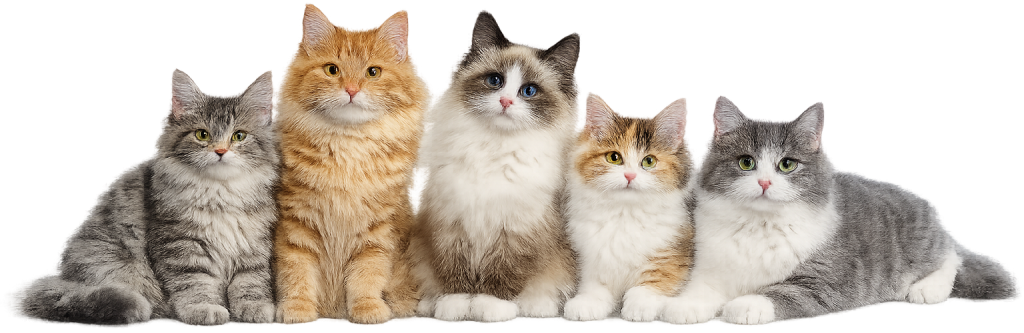
Beyond the initial excitement of bringing a kitten home, the journey of nurturing their healthy growth and development truly begins. As pet ownership continues to rise—with multi-cat households significantly increasing—understanding how to foster a well-adjusted feline companion is more vital than ever. This article delves into crucial kitten healthy growth tips that extend beyond basic care, focusing on socialization, grooming, and enriching play to ensure your kitten thrives into adulthood. We will explore practical strategies for each area.
The Power of Early Kitten Socialization
Socialization isn’t just for puppies; it’s a critical component of raising a confident, friendly, and adaptable cat. The period between 3 and 16 weeks of age is paramount for a kitten’s social development. Furthermore, positive early experiences with various people, sounds, sights, and gentle handling can significantly impact their temperament and reduce anxiety later in life. Given that Gen Z, a rapidly increasing demographic of pet owners, tends to spend more on pet care, investing time in early socialization is a valuable commitment to your kitten’s long-term happiness. Therefore, prioritize these early interactions.
Gentle Introductions and Positive Experiences
- People: Introduce your kitten to a variety of gentle, calm individuals. Encourage them to offer treats and engage in quiet play. Always supervise interactions, especially with children, to ensure positive experiences. This helps build confidence.
- Other Pets: If you have other pets, ensure introductions are slow and controlled. Allow them to smell each other through a closed door first, then supervised brief encounters. Patience is key to harmonious multi-pet households. Similarly, positive reinforcement is vital.
- Sounds and Sights: Gradually expose your kitten to common household noises (vacuum cleaner, doorbell) and different environments. Keep these experiences positive with treats and praise. Consequently, they will become less fearful.
- Handling: Gently handle your kitten’s paws, ears, and mouth regularly. This not only desensitizes them but also makes future grooming and vet visits less stressful. In addition, it strengthens your bond.
Grooming Fundamentals: Building Lifelong Habits
Regular grooming is more than just aesthetics; it’s essential for your kitten’s health and well-being. Establishing a positive grooming routine early can prevent future matting, skin issues, and even dental problems. This aligns with the overall trend of humanization of pets, where owners prioritize proactive health care. Consequently, understanding proper grooming techniques is crucial for overall kitten healthy growth tips. Additionally, early habits make future care much easier.
Making Grooming a Positive Experience
- Brushing: Start with short, gentle brushing sessions using a soft kitten brush. This removes loose fur, prevents hairballs, and stimulates circulation. It also provides a wonderful bonding opportunity. Aim for a few minutes daily, gradually increasing duration as they get comfortable.
- Nail Trims: Begin trimming nails early to accustom your kitten to the sensation. Use kitten-specific clippers and trim only the very tip, avoiding the quick (the pink part). If unsure, ask your vet or a professional groomer for a demonstration. Regular trims prevent painful overgrowth and snagging.
- Dental Care: Introduce dental hygiene early. Use a kitten-specific toothbrush and toothpaste. Even short daily sessions can significantly reduce the risk of dental disease later in life. Furthermore, good dental health contributes to overall well-being.
- Bathing (If Necessary): Most cats are self-groomers. However, if a bath is needed, use kitten-specific shampoo and lukewarm water. Make it a quick, calm experience. Towel dry thoroughly afterward.
Nutrition for Optimal Kitten Healthy Growth Tips
Proper nutrition forms the bedrock of a kitten’s development. A high-quality diet provides the necessary nutrients for strong bones, healthy organs, a shiny coat, and abundant energy. Choosing the right food is one of the most important kitten healthy growth tips you can follow. In fact, many common health issues can be traced back to inadequate nutrition during formative months. Therefore, selecting appropriate food is paramount.
Choosing the Right Food
- Kitten-Specific Formula: Always choose food specifically formulated for kittens. These diets contain higher levels of protein, fat, and essential vitamins and minerals crucial for rapid growth.
- Ingredient Quality: Look for foods with real meat as the first ingredient. Avoid fillers, artificial colors, and excessive by-products. Reputable brands often provide transparent ingredient lists.
- Wet vs. Dry Food: A combination of wet and dry food can be beneficial. Wet food provides hydration and can be very palatable, while dry kibble helps with dental hygiene. Consult your veterinarian for the best balance for your kitten.
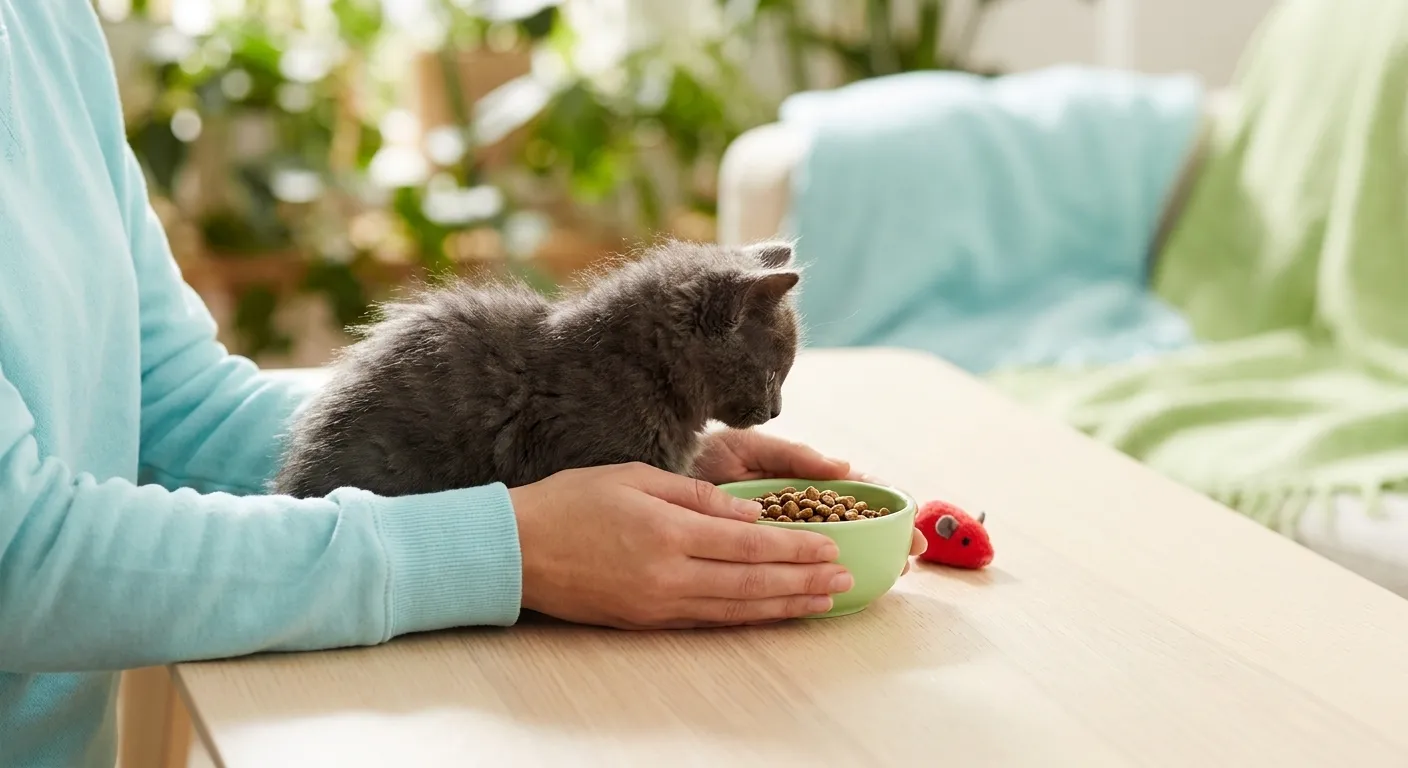
- Feeding Schedule: Young kittens need frequent, small meals. Follow the feeding guidelines on the food packaging, adjusting as your kitten grows. Furthermore, ensure fresh water is always available.
For more detailed information on feline nutrition, consider visiting the American Animal Hospital Association (AAHA) website, which offers valuable resources on feeding your cat.
Enriching Play and Mental Stimulation
Play is not just fun; it’s vital for a kitten’s physical and mental development. Engaging in regular, interactive play helps burn energy, develops coordination, and strengthens the bond between you and your kitten. Consequently, incorporating varied play is among the most enjoyable kitten healthy growth tips. Moreover, it prevents boredom and destructive behaviors.
Types of Play for a Thriving Kitten
- Interactive Toys: Use wand toys, laser pointers (with caution, always end with a physical toy), and feather teasers. These mimic hunting behaviors and keep your kitten engaged. Play sessions should be regular, perhaps 10-15 minutes several times a day.
- Puzzle Feeders: These toys dispense food or treats as your kitten interacts with them. They provide mental stimulation and slow down eating, which can be beneficial.
- Scratching Posts and Trees: Provide multiple scratching opportunities, both vertical and horizontal. This satisfies their natural urge to scratch, keeps nails healthy, and protects your furniture. Look for sturdy options.
- Safe Spaces: Create elevated perches and cozy hiding spots. Cats feel secure when they can observe their surroundings from a height or retreat to a private area. This contributes to their overall sense of well-being.
Remember, a well-exercised kitten is a happy kitten. This holistic approach to their environment significantly contributes to their overall growth and happiness. These kitten healthy growth tips emphasize a balanced lifestyle.
Understanding Kitten Behavior and Training
Understanding normal kitten behavior and gently guiding them through training is crucial for a harmonious household. Kittens are curious and energetic; therefore, setting boundaries early helps prevent unwanted behaviors later. This aspect of care is a fundamental part of providing excellent care for healthy kitten development. It ensures a positive relationship between you and your feline companion.
Positive Reinforcement Training
- Litter Box Training: Most kittens instinctively use a litter box. Place it in a quiet, accessible location. Keep it clean by scooping daily. If accidents occur, clean thoroughly and consider an additional box.
- Crate Training (Optional): A carrier or crate can be a safe haven for your kitten and makes vet visits less stressful. Introduce it positively with treats and toys. Never use it for punishment.
- Discouraging Nipping and Biting: Kittens often play rough. Redirect their biting to appropriate toys. If they bite you, make a high-pitched yelp and disengage from play for a moment. This teaches them boundaries.
- Clicker Training: Some owners enjoy clicker training for teaching basic commands like ‘sit’ or ‘stay’. This can be a fun way to engage your kitten’s mind.
Consistency and patience are key in all training efforts. Positive reinforcement, such as treats and praise, is always more effective than punishment. This approach fosters trust and a strong bond. Furthermore, it contributes positively to their well-being.
Regular Veterinary Care: A Cornerstone for Healthy Development
Regular veterinary check-ups are non-negotiable for ensuring your kitten’s healthy development. These visits allow for preventive care, vaccinations, deworming, and early detection of any potential health issues. Consequently, early intervention can prevent minor problems from becoming serious. This is a vital component of all kitten healthy growth tips.
Essential Vet Visits
- First Check-up: Schedule a vet visit soon after bringing your kitten home. The vet will check for parasites, assess overall health, and discuss a vaccination schedule.
- Vaccinations: Follow your vet’s recommendations for core vaccinations (e.g., FVRCP, rabies). These protect your kitten from common and dangerous feline diseases.
- Parasite Control: Regular deworming and flea/tick prevention are essential, especially for young kittens. Your vet can recommend the best products for your area.
- Spaying/Neutering: Discuss the appropriate age for spaying or neutering with your vet. This procedure has numerous health and behavioral benefits.
- Emergency Preparedness: Know your vet’s emergency contact information and the location of the nearest 24-hour emergency clinic.
Maintaining a strong relationship with your veterinarian is crucial throughout your kitten’s life. They are your best resource for personalized advice and care. For more information on preventative care, the American Veterinary Medical Association (AVMA) provides excellent guidelines.
Creating a Safe and Stimulating Environment
A safe and stimulating environment is fundamental to a kitten’s well-being and development. This goes beyond just providing food and water. It involves creating a space where your kitten feels secure, can explore safely, and has opportunities for mental and physical engagement. Therefore, thoughtful preparation of your home is a key part of these kitten healthy growth tips.
Kitten-Proofing Your Home
- Hazard Removal: Secure or remove toxic plants, small objects that could be swallowed, electrical cords, and household chemicals. Kittens are naturally curious and will explore everything.
- Safe Zones: Designate a specific safe area for your kitten, especially when they first arrive. This might be a spare room with their litter box, food, water, and bed. It helps them adjust gradually.
- Vertical Space: Cats love to climb. Provide cat trees, shelves, or other vertical structures. These offer exercise, security, and a vantage point.
- Window Perches: A window perch allows your kitten to observe the outside world safely, providing valuable mental stimulation. Ensure windows are secure.
A well-prepared home minimizes risks and maximizes opportunities for positive experiences. This environment supports all aspects of healthy kitten development. It allows them to thrive and grow.
Conclusion: Embracing the Journey of Feline Companionship
Nurturing a well-adjusted feline companion is a rewarding journey that requires dedication and understanding. By focusing on early socialization, consistent grooming, optimal nutrition, enriching play, positive behavior guidance, and regular veterinary care, you are laying the foundation for a lifetime of health and happiness. These comprehensive kitten healthy growth tips are designed to empower new and aspiring kitten owners with the knowledge needed to raise confident, friendly, and thriving cats. Remember, every kitten is an individual, and consistent, loving care tailored to their needs will help them flourish into wonderful adult cats. Embrace each stage of their development with patience and joy.
FAQ: Frequently Asked Questions About Raising a Healthy Kitten
What is the most important thing for a kitten’s early development?
Early socialization is arguably the most crucial aspect. Exposing your kitten to various positive experiences with people, sounds, and gentle handling between 3 and 16 weeks of age significantly impacts their temperament and reduces anxiety, leading to a more confident and friendly adult cat.
How often should I feed my kitten?
Young kittens have small stomachs and high energy needs, so they require frequent, small meals. Typically, kittens under six months old should be fed three to four times a day. Always follow the specific feeding guidelines on your kitten’s food packaging and consult your veterinarian for personalized advice.
Can I train my kitten like a dog?
While kittens may not respond to training in the same way as dogs, they are certainly trainable. Positive reinforcement techniques, such as clicker training and treat rewards, can be very effective for teaching basic commands, good manners, and even fun tricks. Consistency and patience are key.
How do I prevent my kitten from scratching furniture?
To prevent furniture scratching, provide attractive alternatives. Offer a variety of scratching posts and boards (both vertical and horizontal) made from different materials like sisal, cardboard, and carpet. Place them in prominent areas where your kitten likes to scratch. Additionally, keep your kitten’s nails trimmed regularly.
When should my kitten first see a veterinarian?
Your kitten should have their first veterinary check-up as soon as possible after you bring them home, ideally within the first few days. This initial visit allows the vet to assess their overall health, check for parasites, discuss vaccination schedules, and address any immediate concerns you might have about your new feline friend’s well-being.
Explore more: More from Kitten Care Basics